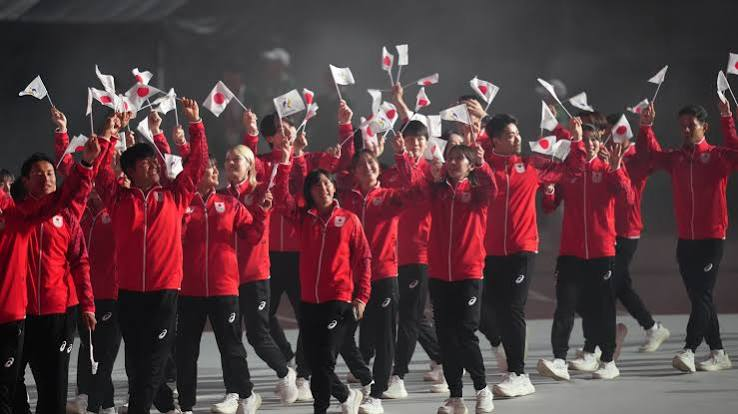
September 24, 2026 — The Aichi Nagoya Asian Games are entering a more intense phase as athletics begins at the newly renovated Nagoya City Mizuho Park Athletic Stadium, while shooting, gymnastics and a wide range of team sports continue to produce major results across Japan. The competition has moved from the opening days of swimming, triathlon and other early events into a schedule packed with track and field finals, shooting medal contests and high pressure team competition. For athletes and fans alike, the coming days offer some of the clearest signs yet of the depth of Asian sport.
Athletics Brings a New Level of Attention to the Games
Track and field officially takes its place at the heart of the Aichi Nagoya program on September 24. The competition is being staged at Nagoya City Mizuho Park Athletic Stadium, a facility that reopened in April 2026 following redevelopment and is intended to serve as a lasting sports venue for the city. The official schedule lists both morning and evening athletics sessions on September 24, with competition continuing through September 29. Aichi Nagoya 2026 provides the official venue and competition information for spectators following the Games.
For athletes, the significance of an Asian Games athletics appearance goes well beyond a single medal. Track and field brings together competitors who have spent years building toward moments measured in seconds, centimeters and carefully controlled movements. A sprinter can prepare for months for a race lasting little more than ten seconds. A jumper may have only a handful of meaningful attempts. A distance runner can spend an entire season building endurance for a final that demands discipline from the opening lap to the finish.
The Asian Games also provide a valuable international stage for athletes competing within an increasingly demanding global calendar. Performances can contribute to an athlete’s competitive profile and provide important experience ahead of future world championships and Olympic qualification campaigns. However, the qualification systems for major Olympic events are governed by the relevant international federations and qualification regulations, so an Asian Games result should not automatically be treated as an Olympic quota.
Shooting Continues to Produce Closely Contested Medal Events
Shooting has already delivered some of the most competitive early contests of the Aichi Nagoya Games. The International Shooting Sport Federation schedule shows a packed program running from September 20 through October 1, with air rifle, air pistol, skeet, rifle and pistol events spread across individual, team and mixed team formats.
September 24 brings another full day of shooting, including men’s 10 meter air pistol competition and the mixed team skeet event. The mixed team skeet final is scheduled for the afternoon, followed later by the men’s 10 meter air pistol final. The precision required in these competitions is extraordinary because athletes must maintain concentration while dealing with pressure, movement and the knowledge that a single imperfect shot can dramatically change the standings. :contentReference[oaicite:0]{index=0}
Earlier results have already demonstrated how narrow the margins can be. India’s Elavenil Valarivan won silver in the women’s 10 meter air rifle individual final after scoring 252.4 points, finishing only 0.6 points behind Japan’s Taichi Hinata in the men’s event. The competition has also produced notable performances from athletes representing Taiwan and other Asian nations, reinforcing the depth of shooting talent across the continent. :contentReference[oaicite:1]{index=1}
Gymnastics Has Already Delivered a Home Victory
Artistic gymnastics has provided one of the early emotional moments of the Games. Japan’s Aiko Sugihara won the women’s individual all around title on September 22 with a score of 55.599. China’s Ke Qinqin finished second with 55.199, while Japan’s Nishiyama Misa took bronze with 55.032.
Sugihara’s performance was built across all four apparatus. She scored 13.533 on uneven bars, 14.266 on balance beam, 13.700 on floor exercise and 14.100 on vault. The result was particularly meaningful for the home team because it combined competitive precision with the atmosphere of a major championship being staged in Japan. :contentReference[oaicite:2]{index=2}
Gymnastics requires a different form of endurance from athletics. The physical movements may last only seconds, yet every routine reflects years of repetition. A slight landing error can erase the advantage created by an otherwise exceptional sequence. For spectators, that creates an unusual tension because the outcome can remain uncertain until the final athlete completes the routine.
Team Sports Are Adding a Different Kind of Pressure
While individual events often focus attention on one athlete at a time, team sports create a broader emotional narrative. Football, basketball, hockey, volleyball, kabaddi and other competitions require athletes to adapt to teammates, opponents and changing match situations.
The Aichi Nagoya program is particularly diverse, combining established Olympic sports with competitions that have strong regional followings. Cricket has returned in T20 format, while kabaddi and sepak takraw bring traditions that have deep roots across Asia. Newer additions such as teqball and mixed martial arts also demonstrate how the Asian Games continue to evolve.
For athletes in team sports, the pressure is shared but not necessarily reduced. One mistake can affect an entire squad, while a decisive performance can become a defining moment for teammates and supporters. That dynamic is especially visible during knockout stages, when athletes have little opportunity to recover from a poor result.
The Games Are Showing the Depth of Asian Sport
One of the most striking features of the 2026 competition is the variety of sporting cultures represented across the program. Asia is not a single sporting market with one dominant tradition. It contains countries with enormous strength in swimming, athletics, shooting, gymnastics, combat sports, cricket, racket sports and team competition.
The early medal results have already reflected that diversity. Japan secured the first gold medal of its home Games through Takumi Hojo in the men’s individual triathlon. China has produced strong results in swimming, including a Games record from 13 year old Yu Zidi in the women’s 200 meter butterfly. These performances set the tone for a competition in which established champions and younger athletes are sharing the same stage. :contentReference[oaicite:3]{index=3}
That mixture is one reason the Asian Games remain valuable even for athletes who already compete regularly at world championships and Olympic events. The continental competition introduces different tactical matchups, different environmental conditions and a different level of national expectation.
September 24 Marks a Particularly Busy Day
The September 24 schedule illustrates how quickly the Games can move from one major event to another. Athletics begins at Mizuho Park Athletic Stadium, while shooting continues with multiple qualifying sessions and finals. Hockey, kabaddi, squash, rowing, boxing and other sports also remain active.
The official athletics timetable lists morning and evening sessions on September 24, with track and field competition beginning at 10 in the morning and another session starting in the evening. The schedule is subject to change as competitions develop, but the structure gives spectators a clear indication of the scale of the program. :contentReference[oaicite:4]{index=4}
For fans watching from home, this creates a challenge of its own. Major events can overlap across different venues and time zones, meaning that following the Games requires more than simply waiting for a headline result. A medal final in shooting may take place while a major athletics qualification round is underway, and a team sport can reach a decisive stage at almost the same time.
Young Athletes Are Sharing the Spotlight With Established Names
The competition is also providing an important platform for emerging athletes. Major continental events can introduce younger competitors to an international audience before they become familiar names at world championships or Olympic Games.
The presence of established stars adds another layer. Filipino gymnast Carlos Yulo, pole vaulter EJ Obiena and other leading Asian athletes entered the Games with significant expectations based on their international careers. Their performances are being watched not only by domestic supporters but also by competitors who may face them again at future global championships. :contentReference[oaicite:5]{index=5}
For younger athletes, competing alongside established names can provide an education that cannot be reproduced in ordinary training. The preparation area, stadium atmosphere, media attention and pressure of a major final all become part of their development.
Why the Aichi Nagoya Games Matter Beyond the Medal Table
Medal counts will inevitably dominate headlines, but the wider value of the Games is found in the stories between those numbers. An athlete returning after injury, a teenager competing at a major championship for the first time, a home competitor carrying national expectations or a team recovering from an early defeat can all shape how the event is remembered.
The competition also provides a measure of how sporting standards are developing across Asia. Faster sprint times, stronger throwing distances, more competitive gymnastics scores and increasingly sophisticated team tactics indicate where athletes and national programs are investing resources.
For the athletes themselves, the emotional experience is often simpler. After years of early mornings, repetitive drills, travel and sacrifice, they finally stand on a major competition floor or track with thousands of people watching. The medal may last forever, but so can the memory of hearing a home crowd rise after a successful performance.
The Road Ahead Is Packed With More Medal Opportunities
The September 24 program is only the beginning of the athletics portion of the Games. Track and field continues through September 29, while shooting events extend into October and gymnastics moves through its remaining finals. Team sports will also become increasingly important as group stages give way to elimination rounds and medal matches.
That progression should produce a steady stream of new contenders and unexpected results. The early days have already shown that established reputations do not guarantee victory. Small margins separate athletes at the highest level, and the home environment can create both inspiration and pressure.
As Aichi Nagoya moves deeper into competition, the central story is becoming clearer. The 2026 Asian Games are not simply a collection of medal events. They are a meeting point for athletes from across the continent, combining established champions, emerging talent, traditional sports and newer disciplines in one enormous sporting program.
For spectators, the most compelling moments may come from the events that appear on the schedule as simple lines of text. A starting gun, a perfectly controlled shot, a gymnast holding a landing or a team finding one final burst of energy can turn an ordinary competition session into a memory that lasts for years. With athletics now underway and medal events multiplying across Aichi and Nagoya, the Games are entering the part of the tournament where every attempt, race and point carries greater weight.