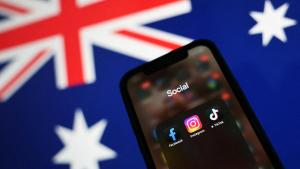
A teenager in Sydney scrolls endlessly under the glow of a bedside lamp, notifications pinging into the night, blissfully unaware of rules meant to shield her. Australian regulators launch a probe today into major platforms like Meta, TikTok, and Snapchat for alleged violations of the under 16 social media ban, spotlighting lax age verification that lets kids slip through digital gates unchecked.
The Under 16 Ban and Its Intent
Enacted late last year, the law bars children under 16 from mainstream social networks, aiming to curb harms like cyberbullying, anxiety, and sleep disruption. Parents championed it, sharing tales of tweens lost in toxic feeds. Enforcement hinges on platforms deploying robust age checks, yet early signs suggest gaps wide enough for millions to bypass.
We hear the quiet desperation in a mother’s voice from Melbourne: “I want my daughter playing outside, not doomscrolling.” The ban seeks that balance, prioritizing mental health over unchecked connectivity.
Suspected Breaches Under Scrutiny
The eSafety Commissioner initiates formal investigations, demanding records on verification methods. Reports indicate self reported ages and basic biometrics fail against savvy minors using VPNs or parental details. Platforms face fines up to 10 million AUD per breach if proven non compliant.
Meta reported blocking some accounts, but critics question scale. TikTok’s facial scans raise privacy flags, while Snapchat’s ghost logo hides persistent concerns. Regulators pore over data logs in stark offices, piecing together evasion patterns.
Weak Age Verification Enforcement Exposed
Current tools rely on credit cards, IDs, or AI guesses, all circumventable. A 14 year old in Brisbane fakes a birthdate with ease, diving into reels that shape young minds. Experts call for biometrics tied to government IDs, but platforms resist, citing user friction and costs.
We empathize with developers grappling ethical lines, yet the stakes demand action. Studies link early exposure to depression spikes; Australia acts to sever that chain.
- Self declaration methods prone to lies from tech savvy youth.
- Third party verification services inconsistent across apps.
- Lack of real time audits allowing prolonged underage access.
Voices from Parents and Teens
Sarah Thompson, a Perth parent, welcomes the probe. “Platforms profit from our kids’ attention; time they paid the price,” she says, clutching a photo of her sleep deprived son. Teens counter with pleas for connection, arguing bans isolate amid peer pressure.
Educator Liam Chen runs workshops on digital wellness. “Kids crave belonging; we must guide, not gatekeep harshly,” he advises. These stories humanize the debate, blending protection with autonomy.
Global Echoes and Platform Responses
Australia leads, but parallels emerge. The UK mulls similar rules, while U.S. states fragment with patchwork laws. Platforms pledge cooperation; Meta vows improved tech, TikTok highlights parental controls. Skepticism lingers given past foot dragging.
Insights from the Pew Research Center reveal teen screen time averages 8 hours daily, fueling urgency. Enforcement could set precedents worldwide.
Technical Hurdles in Age Verification
Building foolproof systems challenges engineers. Yoti’s app scans faces against liveness checks, yet false positives sideline legit users. Blockchain IDs promise security, but adoption stalls on privacy fears.
We picture coders iterating late nights, balancing efficacy with inclusivity. Success means safer spaces; failure invites stricter mandates.
Potential Consequences and Fines
Violators risk multimillion penalties, forced redesigns, or bans. Repeated lapses could shutter services Down Under. Platforms weigh compliance costs against revenue hits from youth demographics.
Advocates push for transparency reports, holding firms accountable publicly.
Path Forward for Safer Digital Spaces
The probe urges innovation. Schools integrate media literacy, families set device rules. Platforms explore gamified onboarding for age honesty.
For youth online safety trends, resources from Common Sense Media equip parents with tools.
Our Stance on Protecting the Next Generation
From April 22, 2026, Australia’s investigation spotlights a critical fight. We stand with regulators demanding accountability, empathetic to families yearning for balance.
This moment tests tech’s responsibility, forging digital realms where kids thrive securely. The scroll pauses here for real world joys.