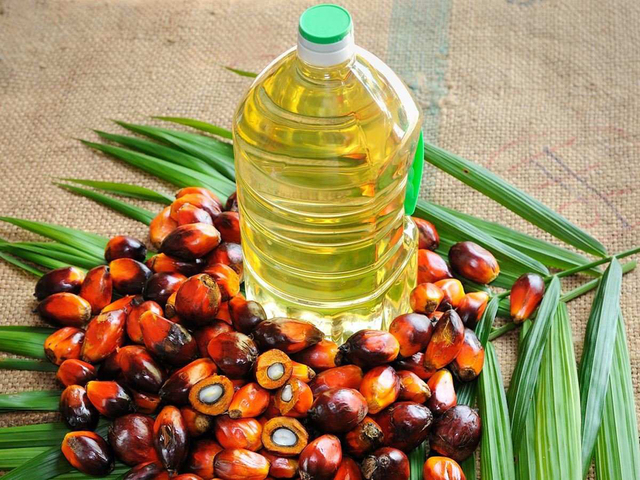
A street vendor in Jakarta ladles golden palm oil into sizzling woks, the rich aroma mingling with market chatter, feeding families on tight budgets. Prices for this kitchen staple now eye a 20 percent jump, stoked by war fueled demand spikes and supply disruptions in strained global vegetable oil markets, heightening risks of broader food inflation that pinches wallets worldwide.
Forecasted Price Hike Drivers
Analysts at Bloomberg project palm oil hitting $1,200 per metric ton by quarter’s end, up sharply from current levels. Key triggers include escalated biofuel mandates in Europe, diverting supplies from food use. Indonesian and Malaysian plantations, supplying 85 percent globally, face weather woes and labor shortages, tightening availability.
We smell the tension in trading pits, screens flickering with futures contracts as buyers scramble. This surge ripples through snacks, soaps, and spreads, everyday items feeling the squeeze.
War Driven Demand Pressures
Geopolitical tensions, particularly in Ukraine, slash sunflower oil exports, pushing buyers to palm alternatives. Conflict zones hoard stocks, inflating premiums. Traders describe frantic calls across time zones, securing cargoes amid uncertainty.
Farmers in Sumatra watch replays of distant battles, knowing each barrel diverted hikes their crop’s worth yet burdens consumers. Empathy tempers economics here, where human strife alters dinner tables globally.
Supply Shocks in Tight Markets
El Nino remnants batter yields, with dry spells curbing harvests. Export curbs in top producers prioritize domestic needs, bottlenecking flows. Refiners idle lines awaiting pricier inputs, compounding delays.
Picture port workers in Belawan stacking containers under humid skies, ships idling offshore. These chokepoints amplify volatility, turning palm oil into a commodity lightning rod.
- Biofuel blending targets in EU absorbing 10 million tons yearly.
- Production shortfalls estimated at 2 million tons for 2026.
- Inventory levels at multi year lows, fueling speculative buying.
Global Food Inflation Risks Amplify
Palm oil threads through 50 percent of packaged goods, from chocolate to instant noodles. A 20 percent rise could add 5 percent to grocery bills, per USDA models. Low income households bear brunt, stretching dollars thinner.
We hear sighs in supermarkets from Manila to Manchester, shoppers weighing value packs. Central banks watch closely, rate decisions hinging on persistent pressures.
Stories from Producers and Consumers
Maria Santos, a smallholder in Mindanao, tends groves dawn to dusk. “Higher prices mean school fees for my kids, but I worry for city buyers,” she shares, hands callused from harvests. Her yield sustains family yet fuels debates on equity.
In Lagos, baker Ahmed Khalil adjusts recipes, oil costs eroding margins. “Loaves rise in price; customers frown but understand,” he notes. These voices ground abstractions in lived realities.
Industry Responses and Alternatives
Food giants like Unilever scout soy and rapeseed substitutes, though scalability lags. Sustainability certifications gain traction, pressuring suppliers toward deforestation free chains. Reports from the World Bank agriculture topic page stress diversification to buffer shocks.
Innovators develop lab grown oils, but commercialization trails demand. Processors stockpile, betting on peaks.
Policy Implications Worldwide
Governments mull subsidies or import duties. India, a top importer, eyes stockpiles; Brazil ramps soy planting. Trade pacts face strain, with accusations of hoarding flying.
Consumers gain from transparency apps tracking origins, empowering choices amid hikes.
Long Term Outlook and Mitigation
Forecasts see stabilization post 2026 if rains return and conflicts ease. Investments in high yield palms promise relief. Households hedge with bulk buys and home cooking.
For commodity price trends, the Reuters commodities coverage tracks palm oil futures reliably.
Our Perspective on Navigating the Surge
From April 22, 2026, palm oil’s climb warns of fragile food chains. We urge resilience, from farms to forks, celebrating adaptive spirits.
This challenge spurs smarter systems, ensuring abundance endures for all.