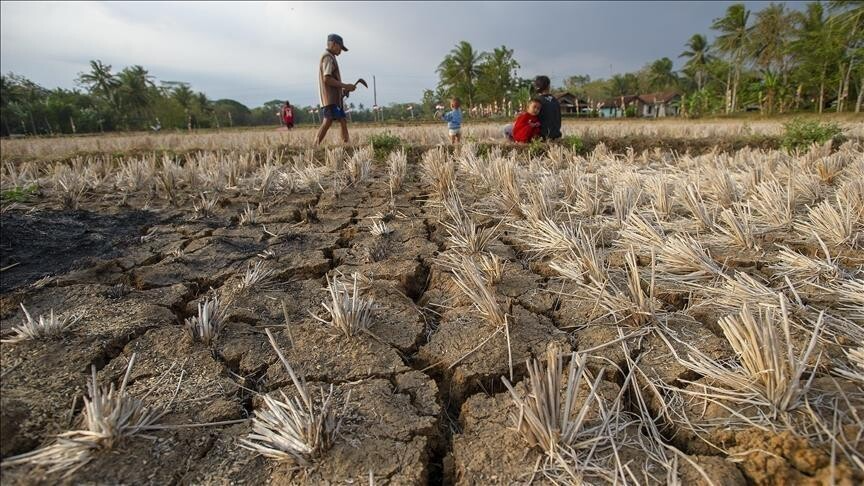
Sweat beads on a farmer’s brow in Punjab’s sun-baked fields, the air thick with dust and the sharp tang of wilting wheat, as a stark United Nations report released April 23, 2026, declares global food production teetering on a breaking point from intensifying heatwaves. Extreme temperatures ravage crops and exhaust laborers, pushing billions toward scarcity. We share the quiet dread of those tilling soil, yet highlight resilient strategies emerging worldwide.
The Report’s Dire Assessment
Compiled by the UN Food and Agriculture Organization with World Meteorological Organization input, the 150-page analysis projects 20 percent yield drops in staples like rice, maize, and soy by 2035 without adaptation. Heat domes, now routine, spike nights above 30 degrees Celsius in tropics, halting photosynthesis and spiking pest surges. Manual workers face wet-bulb thresholds, where body cooling fails, risking collapse after hours in fields.
Farmers like Raj in India voice the toll. “Dawn breaks scorching; by noon, hands blister on tools, throats parched despite water.” His harvest halved last season, mirroring trends in sub-Saharan Africa and Southeast Asia.
Harvest Havoc Quantified
2025 data logs 15 percent global shortfalls from heat. Wheat in Australia scorched; coffee in Vietnam dwindled. Models forecast 50 additional hot days yearly by 2040, compressing growing seasons. Livestock fares worse: dairy cows yield 10 percent less milk above 25 degrees Celsius, heat stress curtailing feed intake.
Human Cost in the Fields
Two billion rely on outdoor labor, kidneys failing from chronic dehydration in places like California’s Central Valley. Women and migrants bear brunt, shifts cut short as fatigue sets in. The report urges shaded breaks, electrolyte mandates, yet enforcement lags in low-wage zones.
We feel Maria’s exhaustion in Mexican orchards, calluses cracking under relentless sun, dreams of steady meals for her children fading with each barren branch. Empathy drives calls for mechanization aid and insurance nets.
Regional Hotspots and Vulnerabilities
South Asia tops risks, 400 million farmers exposed. Brazil’s soy belt wilts; US Corn Belt sees pollination fails. Arctic melt disrupts fisheries, cascading to grain demands. Urban poor suffer most, food prices up 12 percent post-heat events.
Adaptation spotlights shine. Israeli drip irrigation slashes water use 60 percent; African agroforestry cools soils naturally. The FAO climate-smart agriculture hub details scalable tactics for smallholders.
Livestock and Fisheries Strain
Chickens pant in Thai coops; fish farms warm lethally. Coral bleaching guts marine yields, hitting Asia hardest. Diversified feeds and shaded pens offer buffers.
Supply Chain Fractures
Heat warps rail tracks in India, delays shipments. Ports bake, spoiling perishables. Processors face blackouts from grid overloads. Global trade buffers thin, export bans spike during crunches.
Consumers taste impacts: bread loaves shrink, staples rationed. We connect with families budgeting rice portions, pots simmering lighter broths.
Policy Responses and Innovations
UN recommends 100 billion dollars yearly in resilient seeds, early warnings, and social protections. Gene-edited crops withstand 2 degrees more heat; vertical farms cool indoors. Blockchain tracks spoilage-prone goods.
Grassroots heroes emerge. Ethiopian cooperatives plant heat-tolerant teff; Vietnamese rice paddies flood strategically. Governments subsidize solar pumps, easing rural blackouts.
Actionable Steps for Farmers
Shift planting dates; mulch soils for moisture lock. Breed heat-hardy varieties locally. Community shade nets foster worker safety.
Nutritional and Economic Fallout
Malnutrition climbs, stunting 150 million children. GDP losses hit 2.5 trillion dollars yearly by 2030. Women-led households lose most, labor gaps widening gender divides.
Hope glimmers in youth. Programs train next-gen farmers in climate tech, apps forecasting heat risks via satellite data.
- Adopt cover crops to retain soil moisture.
- Install low-cost evaporative coolers for livestock.
- Join cooperatives for bulk resilient seed buys.
Global Calls to Action
COP31 pledges target ag emissions cuts, 30 percent by 2030. Wealthy nations fund adaptation funds, now at 50 billion dollars committed. Private sector invests in cold chains, AI yield predictors.
Explore WMO climate resources for heat action plans tailored to regions. Collective will bends trajectories.
Stories of Resilience
In Senegal, farmer Awa plants mango intercropped with millet, shade sustaining yields. “Heat takes, but roots hold.” Her village thrives, children fuller plates in hand. These tales fuel optimism.
Pathways to Stability
The report stresses urgency, yet adaptability defines humanity. Diversify diets, waste less, support locals. Policymakers prioritize vulnerable voices. We commit to amplifying them, nurturing fields for tomorrow’s tables.