We are entering a period where the simple act of growing food is becoming increasingly uncertain. A new report from the United Nations, released on April 23, 2026, delivers a stark warning that global food systems are approaching a “breaking point” as extreme heat intensifies across continents. The findings point not only to declining harvests but also to a deeper, more human crisis, where the very people who grow and supply food are facing conditions that make their work dangerous or even impossible.
A System Under Pressure From Rising Temperatures
The joint report by the Food and Agriculture Organization and the World Meteorological Organization outlines a clear and troubling reality. Extreme heat events are becoming more frequent, more intense, and longer lasting, placing unprecedented strain on agriculture worldwide.
We see this pressure reflected across every layer of the food system. Crops are struggling to survive beyond critical temperature thresholds, livestock are experiencing stress and higher mortality, and fisheries are being disrupted by warming oceans.
At the same time, the report highlights a sobering statistic. More than a billion people who depend on agriculture for their livelihoods are now directly exposed to these risks, with extreme heat reshaping not only what can be grown but whether it can be grown at all.
The Human Cost Behind the Numbers
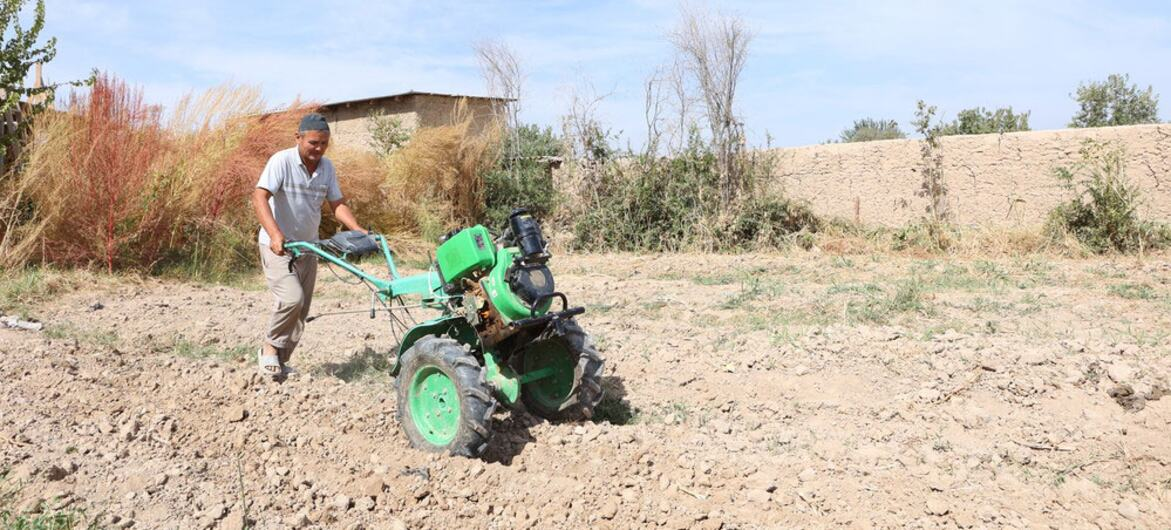
Behind the data lies a deeply human story. Farmers working under relentless sun, laborers facing dangerous heat exposure, and communities watching their harvests fail. The report estimates that extreme heat is already causing the loss of hundreds of billions of work hours each year, reducing productivity and income for those most vulnerable.
The impact is particularly severe in regions such as South Asia, sub Saharan Africa, and parts of Latin America, where high temperatures already define daily life and climate resilience is limited.
Why Heat Is a “Risk Multiplier” for Food Security
One of the report’s most important insights is that extreme heat does not act alone. It amplifies other climate threats, including droughts, wildfires, pest outbreaks, and water scarcity.
We see this compounding effect clearly. As temperatures rise, soils dry out faster, crops become more vulnerable to disease, and water resources become increasingly strained. This creates a chain reaction that disrupts entire ecosystems and food supply chains.
For staple crops such as wheat, maize, rice, and soy, the report notes that yields begin to decline significantly once temperatures exceed about 30 degrees Celsius. Each additional degree of global warming is expected to reduce yields by roughly 6 percent, a figure that carries enormous implications for global food availability.
Livestock, Fisheries, and Forests Under Threat
The crisis extends beyond crops. Livestock are highly sensitive to heat, with stress beginning at relatively moderate temperatures. As heat intensifies, animals face reduced productivity, health complications, and in severe cases, death.
We also observe growing risks in marine environments. Ocean heatwaves are reducing oxygen levels in water, leading to declining fish populations and threatening communities that rely on fishing for both food and income.
Forests, often overlooked in discussions of food systems, are also affected. Rising temperatures disrupt photosynthesis and increase the likelihood of wildfires, further destabilizing ecosystems that support agriculture.
The Breaking Point for Global Supply Chains
The phrase “breaking point” reflects more than environmental stress. It signals a tipping point for global supply chains that depend on predictable production cycles.
We are beginning to see how localized climate events can trigger global consequences. A failed harvest in one region can drive up prices worldwide, disrupt trade, and increase food insecurity even in countries far removed from the original impact.
Experts warn that simultaneous crop failures in multiple regions could create cascading effects across economies, altering consumption patterns and intensifying inequality.
Adaptation Efforts and Their Limits
The report outlines a range of adaptation strategies, including improved weather forecasting, climate resilient crops, and better water management systems. These measures can help farmers anticipate and respond to extreme conditions.
We find these solutions both necessary and incomplete. Early warning systems, for example, can allow farmers to adjust planting schedules or protect livestock, reducing immediate losses.
Yet the report makes a critical point. Adaptation alone cannot fully address the scale of the challenge. Without broader efforts to reduce greenhouse gas emissions, the intensity of extreme heat will continue to rise, limiting the effectiveness of any single intervention.
For readers seeking deeper insight into global food security frameworks, the Food and Agriculture Organization provides detailed resources on agricultural resilience and climate adaptation.
The Urgent Need for Policy and Global Cooperation
The findings call for coordinated action at multiple levels. Governments are urged to implement policies that protect agricultural workers, invest in climate resilient infrastructure, and support sustainable farming practices.
We also see a strong emphasis on international cooperation. Climate change does not respect borders, and neither do its impacts on food systems. Collective action is essential to address both mitigation and adaptation.
The World Meteorological Organization highlights the importance of climate services, including seasonal forecasts and data sharing, as tools that can help communities prepare for extreme weather.
A Future Defined by Choices
As we reflect on the report, one message becomes clear. The future of global food systems is not fixed. It will be shaped by decisions made today, by policymakers, industry leaders, and communities around the world.
We are at a crossroads where the consequences of inaction are becoming increasingly visible. Rising temperatures are not only an environmental issue. They are a direct threat to food security, economic stability, and human well being.
The warning from the United Nations is both urgent and deeply human. It asks us to recognize the fragile balance that sustains our food systems and to act before that balance is irreversibly disrupted.
The challenge ahead is immense, but so is the opportunity to rethink how we produce, distribute, and value food in a changing climate. The choices made now will determine whether global food systems adapt and endure or continue toward the breaking point described in this report.