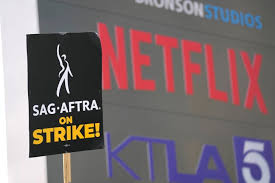
Screenwriters across the United States voted overwhelmingly on April 25, 2026, to approve a groundbreaking four-year contract with major studios, ushering in a era of long-term stability for Hollywood’s film and television production engine. We imagine the collective sigh of relief in writers’ rooms from Los Angeles to New York, where laptops close on scripts and families reclaim evenings lost to uncertainty. The Writers Guild of America (WGA) announced 92 percent approval from its 10,000-plus members, ending months of tense negotiations and promising fair pay, protections, and creative security in an industry battered by streaming disruptions.
The Vote That Echoes Through Tinseltown
Results poured in late Friday, with turnout exceeding 80 percent. WGA leaders gathered at their Beverly Hills headquarters, cheers erupting as tallies confirmed the landslide. “This deal honors our stories and our sacrifices,” declared WGA West President Meredith Stiehm, her voice thick with emotion during a livestreamed address. Studios, represented by the Alliance of Motion Picture and Television Producers (AMPTP), hailed the outcome as a “win-win for creators and production.”
The atmosphere felt electric. Writers shared selfies from coffee shops and home offices, captions bubbling with joy and exhaustion. One veteran scribe tweeted about hugging his kids for the first time in weeks without strike worries. This ratification caps a saga that began last fall, when contract expiration loomed amid fears of repeats from the 2023 strikes. We sense the human relief: parents no longer juggling gig work, spouses mending strained bonds, dreams reignited.
Negotiation Marathon: Battles Won Behind Closed Doors
Talks stretched over 14 grueling sessions, blending virtual marathons and face-to-face standoffs in neutral Burbank venues. Key flashpoints included residuals from streaming giants like Netflix and Disney+, where writers demanded shares tied to global viewership. Studios countered with data-driven models, but concessions flowed after mobilizations like “Writers on the Line” rallies. The final package boosts minimums by 12 percent over four years, per details released by the guild.
Personal stakes surfaced vividly. A young screenwriter from Atlanta recounted sleepless nights scripting pilots while picketing in 2023; now, her series greenlit under the new terms brings tears of validation. Empathy defined the process. Guild reps prioritized mental health stipends, recognizing burnout’s toll on storytelling souls.
Contract Core: Gains for Writers and Industry
The agreement spans 2026 to 2030, locking in wage hikes averaging 4.5 percent annually, outpacing inflation. Streaming residuals jump 50 percent for high-viewership shows, with tiered bonuses for international hits. Protections against AI encroachment stand firm: writers retain script credit primacy, and studios must disclose generative tools usage. Staff sizes on shows gain floors, curbing room shrinkage trends.
Holistic wins shine. Pension contributions rise, healthcare premiums stabilize, and diversity initiatives mandate inclusive hiring pipelines. For mid-career writers, “span protections” ensure steady employment arcs. We picture the impact: a Latino writer in Echo Park affording therapy sessions, or an Indigenous storyteller pitching without poverty’s shadow. These terms, detailed on the WGA website, set precedents for actors and crew next in line.
Broader Hollywood Ripples: Stability Restored
Production halts end abruptly. Pilots shelved during uncertainty resume filming in Vancouver and Atlanta, injecting billions into local economies. Studios like Warner Bros. and Paramount greenlight delayed projects, from prestige dramas to blockbusters. Global supply chains breathe easier; New Zealand’s Weta Digital ramps up VFX for tentpole films.
International eyes turn stateside. Bollywood producers eye similar pacts, while European guilds cite the deal in BBC negotiations. Labor peace fosters creativity. Directors like Greta Gerwig praise the accord, noting fuller writers’ rooms spark bolder narratives. We feel the optimism in studio lots, where grips and gaffers swap stories of steady paychecks ahead.
Economic Boost: Jobs and Growth Projections
Analysts forecast 50,000 jobs sustained over the term, per The Hollywood Reporter estimates. Tax revenues swell for California, funding schools and infrastructure. Streaming platforms, post-earnings slumps, stabilize subscriber bases with reliable content slates. Indie writers benefit too; mini-room bans extend protections to smaller outfits.
Voices from the Trenches: Real Stories of Resilience
Meet Elena Vasquez, a 35-year-old TV writer who penned episodes for a hit procedural while bartending weekends. “This contract means I write full-time, no more splitting focus,” she shares, eyes bright over Zoom from Silver Lake. Or Jamal Kingston, a feature specialist whose spec script languished amid turmoil; now optioned by A24 with backend points intact.
Seasoned voices add depth. Oscar-winner Diablo Cody reflects on early struggles, urging mentorship under new training funds. These tales humanize the headlines, reminding us stories stem from lived grit. Empathy flows both ways: studio execs acknowledge writers’ pandemic-era sacrifices, when remote work blurred home and hustle.
Challenges Lingering: AI, Globalization, and Equity
Triumph tempers with realism. AI clauses, while robust, face tech’s rapid pace; guilds vow vigilant enforcement. Globalization pressures mount as productions flee to tax havens like Georgia and Canada. Equity gaps persist: women and people of color seek larger shares of showrunning roles.
- Expand mentorship for underrepresented voices to build pipelines.
- Monitor AI pilots with joint oversight committees.
- Advocate tax incentives keeping jobs domestic.
WGA commits annual reviews, fostering adaptability. We applaud this forward gaze, rooting for inclusive growth.
Looking to the Future: A Creative Renaissance?
This deal blueprints Hollywood’s next chapter. Expect edgier series tackling climate and identity, fueled by secure creators. Crossovers with gaming and VR beckon, with writers at the helm. International co-productions bloom, blending K-drama flair with U.S. polish.
We stand encouraged. The ratification celebrates collective power, where ballots become blueprints for dignity. Picture bustling commissaries alive with laughter, scripts flying from eager hands. For writers, studios, and audiences, stability seeds stories that endure. Hollywood rebounds, one approved page at a time.