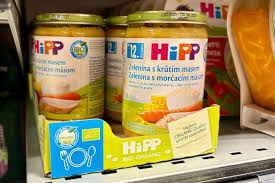
A 39‑year‑old suspect is now in police custody in Salzburg, marking the end of a month‑long public health crisis that gripped parts of Central Europe after jars of baby food were found laced with rat poison. Austrian authorities announced the arrest on May 3, 2026, following a coordinated cross‑border investigation that traced the tainted products through distribution networks stretching from Austria into neighboring countries. For parents who spent weeks staring at labels in supermarkets, reading recall notices on their phones, and second‑guessing every meal, this development brings a fragile sense of relief but also a deeper reckoning with the vulnerability of the products we trust most.
What Happened in the Baby Food Poisoning Scare
At the start of April 2026, small clusters of infant illnesses in several Central European cities raised alarm among pediatricians and public health officials. Doctors reported cases of unexpected vomiting, bruising, and, in more severe instances, trouble with blood clotting. When toxicology tests revealed traces of anticoagulant rat poison in the babies’ systems, investigators began pulling jars from shelves to test their contents.
Testing revealed that some jars of widely distributed baby food, including pureed fruits and vegetables, carried the same dangerous compound. The affected brands were sold in national supermarkets and discount chains across Austria, Germany, the Czech Republic, and parts of Hungary. For families, the news hit like a wave of quiet panic every mealtime suddenly felt like a gamble.
How the Investigation Unfolded
Authorities in Austria, supported by EU‑wide health and security agencies, launched a cross‑border probe that combined food safety tracing, logistics analysis, and digital forensics. Investigators mapped distribution paths from the factories that produced the jars to warehouses, trucking routes, and retail checkout data, searching for where the contamination might have occurred.
One early hypothesis pointed to a potential tampering at a warehouse or storage hub, since the tainted jars appeared in multiple brands but shared a common supplier of base ingredients and packaging. Forensic teams examined surveillance footage, shipping logs, and access records at key facilities, narrowing the search to a handful of individuals with high‑level access to the supply chain.
The Suspect in Salzburg
On May 3, Austrian police, acting on information developed over weeks, arrested a 39‑year‑old man in Salzburg who had worked in logistics and quality control at a warehousing facility linked to several of the affected brands. Officials describe him as a long‑time employee with technical knowledge of how shipments moved, how security was monitored, and how product recalls were managed.
According to preliminary reports, authorities found traces of the same rat poison compound in his home, stored in small containers alongside cleaning supplies and unused packaging materials. Investigators say the suspect’s fingerprints and digital footprint emails, warehouse access logs, and vehicle tracking data placed him at key points in the chain where the contaminated jars circulated.
Impact on Families and Public Trust
During the month it took to identify the suspect, families lived with a mix of fear, anger, and hyper‑vigilance. Parents in Vienna, Munich, and Prague whispered in pediatric waiting rooms, swapping notes on which brands to avoid, which supermarkets had issued refunds, and which doctors they trusted most. The smell of simmering baby food on the stove, once comforting, now carried the heavy weight of doubt.
Some parents switched to homemade alternatives, steaming and blending produce in their own kitchens, even though they knew it could not match the variety and convenience of store‑bought jars. Others simply stopped buying certain brands altogether, even after those labels were cleared, choosing to trust only a handful of local producers with transparent practices.
Public Health Measures and Warnings
Public health agencies in the affected countries issued urgent advisories, urging families to inspect their pantries for jars bearing specific lot numbers and to return or dispose of any that matched the recall lists. Hotlines were staffed around the clock, staffed with nurses, doctors, and social workers who answered anguished questions from sleep‑deprived parents about what to watch for and when to seek emergency care.
Medical teams reminded families that anticoagulant poisoning can be treated with specific antidotes, especially when caught early. The message while medically reassuring could not erase the primal fear of someone deliberately targeting infant food. The emotional toll was no less real than the physical risk.
How the Food Safety System Was Tested
The incident exposed both strengths and gaps in the current food safety net. Laboratory testing and reporting networks allowed health officials to identify patterns of illness and trace the poison to specific jars relatively quickly. EU‑wide coordination meant that information moved fast across borders, preventing an even larger spread of the contaminated products.
Still, the crisis underscored how difficult it is to detect deliberate tampering once contaminated items enter the supply chain. Once a jar reaches the shelf, only a random test or a cluster of illnesses can reveal the danger. For regulators, the case has reignited debates about the need for more frequent random testing, better digital labeling, and stricter security protocols at warehousing and distribution centers.
Reactions From Industry and Regulators
Major baby food brands issued swift apologies, recalling millions of jars and promising independent audits of their supply chains. Some manufacturers have pledged to install cameras inside storage areas, limit access to sensitive handling points, and conduct surprise batch tests more frequently. Consumers are watching these commitments closely, hoping that this incident becomes a catalyst for lasting improvement rather than a short‑term PR response.
Government regulators in Austria and neighboring countries have begun reviewing licensing and inspection regimes for food warehouses, focusing on how often facilities are audited, how staff training is monitored, and how whistleblower systems protect workers who report suspicious activity. The case is now cited as a textbook example of why food safety infrastructure must be treated as a non‑negotiable public good, not just a cost center for businesses.
The Emotional Toll on Parents and Caregivers
Behind the statistics and the legal proceedings stand the quiet, personal stories of parents who will never look at a baby food jar in quite the same way again. A mother in Graz, whose infant spent three days in the hospital after ingesting a small amount of tainted food, described the ordeal as “living in a dream where nothing feels real except the sound of the heart monitor.”
For her and others, the arrest of the suspect is not a simple conclusion, but a complex mix of relief, lingering anxiety, and unresolved questions about why anyone would target the most vulnerable. The psychological aftermath sleepless nights, heightened sensitivity, and second‑guessing of everyday choices is likely to persist long after the news coverage fades.
Lessons for Families Moving Forward
While the criminal case now moves through the justice system, families are left with the challenge of rebuilding trust in the products they rely on every day. Experts recommend that parents keep an eye on official recall lists, check for tamper‑evident seals, and store sensitive baby supplies in secure cabinets when possible.
For those who feel deeply unsettled, pediatricians and child psychologists are urging open but age‑appropriate conversations with children and caregivers, emphasizing that such incidents are rare and that safeguards are being strengthened. The goal is not to live in fear, but to stay informed and empowered, able to recognize the warning signs of contamination and the steps to take if something seems wrong.
What This Case Means for Food Safety and Justice
Legally, the case is expected to test the full force of food safety, public health, and criminal statutes. The 39‑year‑old suspect faces multiple charges, including poisoning, endangering public health, and tampering with consumer goods, with potential penalties that could include significant prison time if convicted. The trial will likely draw attention from both the public and other countries grappling with similar fears about the integrity of their food systems.
More broadly, the incident serves as a stark reminder that the safety of something as basic as baby food cannot be taken for granted. It exposes the delicate balance between efficiency in global supply chains and the need for stringent oversight, transparency, and accountability at every step.
A Note on Healing, Vigilance, and Hope
For the parents, caregivers, and healthcare workers who lived through the worst days of this crisis, the arrest is not a full resolution, but a necessary step toward healing. The fear that someone could target the nourishment of infants cuts deeper than the usual concerns about contamination or error; it taps into the deepest instincts of protection and care.
As investigators pursue justice and regulators tighten the rules, families now face the quieter work of rebuilding calm at mealtime one jar at a time, one reassurance at a time, one conversation at a time. The hope is that this case becomes a turning point, a moment when systems that felt invisible suddenly become visible, and when the public learns that the safety of their children is not a matter of blind trust, but of clear, watchful, and enforceable standards.