Sunlight glinted off turquoise waves lapping at Spratly outcrops, where fishing boats bobbed amid tensions long simmering below the surface. On May 11, 2026, China and ASEAN nations launched renewed consultations for a legally binding Code of Conduct in the South China Sea, pledging to tame maritime disputes through shared rules rooted in international law. We greet this step with cautious hope, envisioning calmer seas for fishermen, traders, and coastal communities yearning for stability.
Backdrop of the South China Sea Disputes
This vital waterway carries $3.4 trillion in trade yearly, teeming with fish stocks feeding millions and untapped oil beneath. Claims clash: China’s nine-dash line overlaps exclusive economic zones of Vietnam, Philippines, Malaysia, Brunei, and Taiwan. Incidents like 2025 vessel rammings and island reclamations stoke fears, yet economic ties bind disputants.
We hear echoes from Manila markets where vendors worry over fuel hikes from blockades, or Hainan families scanning horizons for sons at sea. Talks trace to 2002 declaration, accelerating post-2016 Hague ruling favoring Philippines.
Fresh Consultations: What’s on the Table
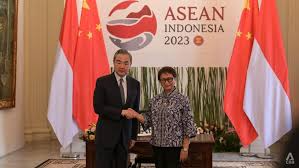
Meetings in Jakarta unite foreign ministers, targeting a binding COC by 2028. Guidelines emphasize consultations, non-militarization, and UNCLOS adherence. Hot issues: incident management protocols, resource joint development, environmental safeguards for reefs.
Progress builds on 2023 single draft text, narrowing gaps. China Foreign Minister Wang Yi voiced commitment to “family-style” dialogue, while ASEAN chair Indonesia pushes consensus. We sense diplomats’ weariness turned to resolve, late nights yielding incremental wins.
Core Elements of the Proposed COC
- Hotline for rapid de-escalation during standoffs.
- Moratorium on new island constructions.
- Cooperative fisheries patrols and patrols.
Stakeholder Perspectives: Voices from the Region
Philippines hails momentum post-Duterte confrontations, bolstering U.S. alliances. Vietnam prioritizes EEZ protections, wary of precedents. Smaller states like Brunei seek balanced equity. China stresses mutual respect, rejecting “external interference.”
Fisherfolk share raw tales: a Vietnamese captain dodging militia ships, nets empty from overfished zones. Tourism operators in Boracay fret reef damage, craving protected passages. Empathy drives us to amplify these human stakes amid power plays.
Global Implications and Watching Eyes
U.S. Navy patrols underscore freedom of navigation, while Japan and Australia back ASEAN via Quad. Trade routes vulnerability ripples worldwide; disruptions spike insurance 20 percent. Energy firms eye gas fields, awaiting legal clarity.
For context, Council on Foreign Relations trackers map flashpoints. Success could model Arctic pacts, failure risks arms spirals.
Challenges Ahead: Hurdles to Binding Agreement
Consensus demands unanimity; holdouts over enforcement teeth persist. China’s island bases complicate non-militarization. Domestic politics sway: elections in claimant states harden lines. Yet economic interdependence, $1 trillion bilateral trade, incentivizes compromise.
Track II forums with scholars foster trust, workshops simulating scenarios. We encourage transparency, public updates building faith.
Pathways to Success: Lessons from History
Precedents inspire: 1970s North Sea zones divided resources peacefully. ASEAN centrality proved in Mekong accords. Technical groups pave way, drafting annexes on search-rescue.
Impacts on Everyday Lives
A COC promises safer seas: fishermen haul fuller catches, ferries glide unhindered, resorts thrive on pristine dives. Youth in Hanoi or Haikou inherit cooperation over conflict. Sustainable fishing quotas preserve legacies for generations.
Looking Ahead: Grounds for Optimism
These talks signal maturity, prioritizing dialogue over displays. Parties, press forward; coastal hearts hold breath for horizons cleared of strife. We root for a code charting peace, where waves whisper unity not warning.