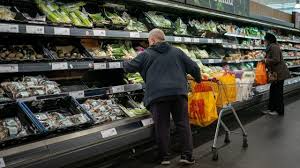
In bustling Nairobi markets, vendors hefted sacks of maize now fetching steeper prices, their faces etched with concern for families stretching thin budgets, while across the globe, Rome’s FAO headquarters tallied the toll. On May 11, 2026, the United Nations Food and Agriculture Organization reported its Food Price Index rising 2.8 percent to 128.5 points, driven by soaring energy costs and chokepoint snarls in the Strait of Hormuz. We stand with households worldwide, offering clear paths to weather this storm with resilience and smart choices.
Breaking Down the Latest FAO Index
The index tracks cereals, vegetable oils, dairy, meat, and sugar on a 2014-2016 base of 100. May marked the third consecutive uptick, reversing early-year dips. Cereals jumped 4.5 percent on wheat and maize supply fears, vegetable oils rose 3.2 percent, dairy edged 1.8 percent higher. Energy bills inflate fertilizer and transport, compounding weather hits in Brazil soy fields.
We picture Egyptian bakers kneading dough amid flour hikes, portions shrinking yet spirits enduring. Data from FAO’s Food Price Index portal spotlights trends, guiding policymakers and shoppers alike.
Root Causes: Energy Costs and Hormuz Disruptions
Oil at $90 per barrel post-drone incidents jacks shipping and farming inputs. Urea fertilizer, 80 percent gas-derived, costs 25 percent more, curbing yields in India and Ukraine. Strait of Hormuz, funneling 20 percent of global oil, sees tanker delays from militia threats, rippling to LNG for power plants.
Farmers in Iowa fields rev engines on pricier diesel, yields steady but margins squeezed. Traders reroute vessels around Africa, adding weeks and fuel, passing costs down supermarket aisles.
Commodity Spotlights
- Wheat up 5 percent on Black Sea export curbs.
- Maize gains 4 percent amid U.S. drought watches.
- Sugar steady, buoyed by Brazilian harvests.
Global Ripples: Impacts on Consumers and Economies
Low-income nations bear brunt; Sub-Saharan import bills swell 15 percent, per World Bank. Inflation ticks in Egypt to 35 percent, sparking protests. Wealthier spots see grocery tags climb 8 percent yearly, hitting staples hardest. Families adapt: rice swaps for potatoes, bulk buys stretch paychecks.
We feel the quiet strain in urban apartments, parents rationing treats, elders reminiscing cheaper eras. Positive notes emerge: stable rice buffers Asia, vertical farms cut logistics.
Regional Breakdowns and Vulnerabilities
Africa faces sharpest hikes, conflict zones like Sudan worsening shortages. Middle East energy woes compound food imports. Europe weathers Ukraine war legacies with stockpiles. Americas export strength cushions locals, though volatility looms.
Migrant workers in Gulf states send less home, remittances dipping 5 percent. Empathy anchors our view: every index point translates to meals missed.
Strategies for Households and Policymakers
Shoppers, pivot to seasons: local veggies slash transport premiums. Preserve surpluses, apps track deals. Governments stockpile grains, subsidize fertilizers, boost smallholder irrigation. Trade pacts ease flows, climate-resilient seeds promise buffers.
Investors eye ag futures cautiously; diversified ETFs hedge rises. Community gardens foster self-reliance, neighbors sharing harvests.
Outlook: Factors Shaping Relief or Pressure
La Nina odds favor bumper crops, potentially easing Q4. Hormuz de-escalation could drop oil 10 dollars. Yet droughts and tariffs risk further climbs. FAO urges multilateral action, echoing 2022 Black Sea pact successes.
Human Stories Amid the Numbers
In Lahore, a mother barters for lentils, kids drawing smiles on empty plates. Brazilian truckers haul soy past floods, pride in feeding world. Resilience shines: apps connect surplus to needy, innovations like lab-grown proteins hint futures.
Paths Forward: Building Food Security
This climb tests grit, yet sparks ingenuity. Nations, unite on supply chains; families, adapt with hope. We champion efforts turning pressures to progress, ensuring plates fill fairly for all.