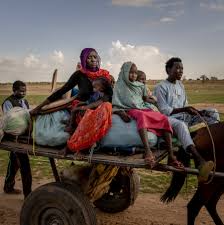
We read the joint warning issued on May 15 2026 by the World Food Programme Food and Agriculture Organization and UNICEF with growing alarm. The agencies say 19.5 million people in Sudan are confronting acute food insecurity and called for an immediate cessation of hostilities to avert mass starvation. What follows is a close look at what that number means on the ground who is most affected and what practical steps could blunt a catastrophe that would ripple across the region.
Scale and meaning of the emergency
Nineteen point five million people facing acute food insecurity is not an abstract statistic. It means households scraping for their last stores of grain children going to bed hungry and markets emptied of staples. Some communities already show signs of extreme malnutrition and strained coping mechanisms such as selling productive assets and withdrawing children from school to seek work. The joint report underscores that without immediate, scaled humanitarian access and a pause in fighting many families will slip into crisis levels of starvation within weeks.
Where the needs are greatest
Conflict has concentrated hunger in specific states and rural corridors where supply chains are severed and farming seasons have been disrupted. Populations in western and southern belts and areas around major frontlines face the worst combination of displacement, reduced harvests and restricted humanitarian access. Urban poor households also suffer as food prices surge and incomes collapse. The joint assessment maps these pockets of acute need to guide where lifesaving assistance must move first.
How conflict amplifies food insecurity
Fighting interrupts planting and harvest cycles, destroys household assets and displaces farmers from their land. Markets collapse when traders cannot move goods safely and sellers face extortion or looting. Humanitarian convoys are impeded by checkpoints damaged roads and active fighting, making it impossible for agencies to reach people with food, nutrition support and medical care. The report links many of the most severe food outcomes directly to constrained access caused by ongoing hostilities.
Health, nutrition and children’s vulnerability
Children under five are especially vulnerable to acute malnutrition, which compromises immunity and increases mortality from common infections. Clinics attempting to treat severe malnutrition report higher caseloads and shortages of therapeutic foods and trained staff. Interruptions to vaccination and routine health services compound the risk, producing a rapidly deteriorating health environment for infants and young children.
Humanitarian response and access barriers
Humanitarian agencies have the capacity to scale assistance swiftly if they can reach affected populations. The joint appeal calls for unfettered humanitarian access, protection of civilians and safe corridors for food, water and medical supplies. Currently logistical hurdles include damaged infrastructure, bureaucratic impediments and active frontlines that place aid workers and convoys at risk. Agencies report that even when supplies arrive at country entry points, movement inland is often blocked or delayed.
What agencies are requesting now
- Immediate, sustained ceasefires or humanitarian pauses in key corridors to allow delivery of life saving aid.
- Guaranteed safety for humanitarian workers and formal commitments from all parties to protect civilian infrastructure.
- Rapid funding allocations from donors to purchase, preposition and deliver food, therapeutic nutrition supplies and essential medicines.
Funding shortfalls and operational limits
Even when access improves, the scale of need may outstrip available funding. Humanitarian appeals for Sudan have historically been underfunded and agencies warn that current pledges fall far short of projected requirements to prevent famine. Gaps in logistics networks, storage capacity and local procurement channels further constrain response speed. Donor coordination and flexible funding mechanisms are crucial to plug these gaps and enable agencies to adapt to shifting frontlines.
Local systems and the economy
Beyond immediate aid, stabilizing food security requires restoring farming activity, repairing markets and supporting livelihoods so families can rebuild self reliance. That is impossible while conflict persists and while households face repeated shocks. Short term relief must therefore be paired with plans for agricultural inputs, seed distribution and cash based assistance where markets allow to restart economic cycles once basic security is reestablished.
Voices from the ground
We heard accounts from displaced families who described kitchens stripped of fuel, empty bags where grain once sat and the buoyant chatter of markets reduced to silence. Health workers described triage rooms crowded with wasted children and caregivers who had walked days to reach clinics. Local aid coordinators spoke of the emotional toll of telling families that supplies exist yet cannot be moved because of fighting. Those voices make clear that the crisis is human and urgent not merely statistical.
Regional repercussions
A collapse of food security in Sudan would spill across borders. Refugee flows, price shocks and disrupted trade would place pressures on neighboring countries already coping with economic strain. The Sahel and eastern Africa regions have fragile food systems; instability in Sudan risks widening humanitarian needs and compounding regional instability.
What must happen next
First, immediate cessation of hostilities in key supply corridors must be secured, monitored and respected to allow lifesaving convoys to move. Second, donors must rapidly commit emergency funding to scale nutrition treatment, food assistance and medical response. Third, humanitarian access agreements should be enforced with guarantees for the protection of civilians and aid workers. Finally, parallel planning for early recovery including agriculture, market rehabilitation and cash programs should begin now so that assistance can transition from survival to resilience once access improves.
How readers and governments can help
Individuals can support reputable humanitarian organizations working in Sudan and neighboring countries. Governments and international institutions must use diplomatic leverage to press for humanitarian pauses and to fund scaled responses. Media and civil society should maintain pressure and attention to keep the crisis visible until safe access and durable relief are in place.
Where to follow official updates
Readers can consult the World Food Programme and UNICEF for the full joint assessment and operational updates and the Food and Agriculture Organization for agricultural impact analysis. The United Nations Office for the Coordination of Humanitarian Affairs provides consolidated appeals and situational reporting that track funding and access developments.
The warning from WFP FAO and UNICEF is a call to action not just for agencies but for leaders and citizens worldwide. The human costs of delay are immediate and irreversible. If hostilities stop, if safe corridors open and if resources flow, many lives can be saved. If the world does not respond with urgency, the consequences will be measured in lives lost and dreams extinguished across communities that have already suffered too much.