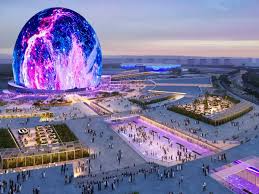
We followed the announcement on May 15 2026 that Sphere Entertainment Company will partner with Abu Dhabi s Department of Culture and Tourism to build a $1.7 billion immersive venue on Yas Island slated for completion by 2029. The deal promises a large scale cultural and entertainment destination that aims to fuse cutting edge audiovisual technology with live performance programming while raising questions about urban impact cultural programming and long term economic returns.
Site and scale of the project
The planned venue sits on prime real estate on Yas Island a leisure and tourism hub that already hosts theme parks motorsport facilities and major hotels. Project literature describes an immersive sphere structure with a high resolution interior display system and flexible staging capable of hosting concerts theatrical productions large format cinematic presentations and corporate events. Walking the perimeter of the proposed site you can imagine the hum of construction the crane silhouettes and the changing skyline as the island adds another landmark to its roster of attractions.
Design ambitions and visitor experience
Sphere Entertainment envisions a multi sensory environment where sound and image envelop audiences with unmatched fidelity. The interior will reportedly include a wraparound LED or projection surface coupled with spatial audio arrays to create a sense of presence that moves with performers and content. For visitors the promise is immersion that blurs the boundary between spectacle and intimate performance enabling both blockbuster shows and smaller artistic experiments within the same venue shell.
Economic rationale and expected impacts
Officials framed the investment as part of Abu Dhabi s strategy to broaden tourism offerings and to deepen cultural tourism. A $1.7 billion budget signals high expectations for visitor numbers and ancillary spending on hospitality transport and retail. Local authorities anticipate job creation across construction operations venue staffing and the wider service economy. Yet the economics will depend on sustained demand steady programming and the venue s ability to attract international touring acts and bespoke productions that justify premium ticket pricing.
Employment training and local supply chains
Project partners described plans for workforce development programs that train technicians stagehands audio engineers and hospitality staff. Local procurement promises to engage engineering firms and suppliers but large scale projects often require specialized components and expertise sourced globally. Effective skills transfer and local supplier participation will determine how deeply the economic benefits reach Abu Dhabi based firms and residents.
Cultural programming and community questions
Sphere Entertainment and the Department of Culture and Tourism expressed a commitment to a varied program that includes international headline acts regional artists and curated cultural content. For many residents the venue offers potential for increased access to large scale performances and new artistic collaborations. Community advocates however ask how the programming will balance commercial attractions with support for local artists and independent cultural institutions that rely on smaller venues and public funding.
Accessibility and pricing concerns
Large scale attractions often price events at premium levels which can limit participation for average residents. Authorities said ticketing strategies will include community allocations educational programs and partnerships with cultural organizations to broaden access. Observers will watch whether these measures become routine practice or remain intermittent gestures tied to specific seasons or exhibitions.
Environmental footprint and sustainability measures
Constructing a large immersive venue presents environmental challenges including embodied carbon from materials energy use for climate control and operational waste streams during events. Project statements highlighted planned energy efficient systems water conservation measures and sustainable materials choices. Independent environmental reviews and public reporting on carbon reduction targets will be needed for accountability and to compare the venue s performance with global best practices for large cultural infrastructure.
Transport and urban planning implications
Yas Island already draws heavy traffic during peak tourism periods and a new major venue will increase demand for public transport parking and mobile services. Authorities will need to integrate the Sphere with existing transport networks to manage congestion minimize emissions and ensure safe pedestrian flows. Effective urban planning can convert event peaks into sustained economic activity rather than episodic strain on local infrastructure.
Regulatory framework and governance
The partnership between a private operator and a government department requires clear governance on revenue sharing programming priorities and public benefit measures. Contracts should address maintenance obligations community access guarantees and dispute resolution. Transparency in procurement and public reporting will shape public trust and the project s perceived legitimacy among civic groups and industry stakeholders.
Risk management and contingency planning
Large projects face cost overruns delivery delays and demand fluctuations. The timeline to 2029 presumes steady supply chains stable construction conditions and the ability to book globally touring content. Project leaders will need contingency reserves phased delivery plans and adaptive programming strategies to absorb shocks and to sustain operations during initial ramp up.
International comparisons and competitive positioning
Globally cities have invested in landmark cultural infrastructure to attract tourism and to project soft power. Some projects have catalyzed local cultural ecosystems while others struggled with debt and underutilization. Abu Dhabi s experience with cultural investments at locations such as Saadiyat Island provides precedents about leveraging flagship venues alongside museums and public programming to build broader cultural districts.
Analysts will compare the Sphere s business model and commissioning approach with venues that combine owned productions partnerships with promoters and subscription based season programming. Success will hinge on diversified revenue streams including ticket sales hospitality partnerships broadcast rights and bespoke content commissions.
What to watch next
Key milestones to monitor include finalized architectural plans construction permits and details of workforce training programs. Watch for partner announcements from production companies cultural institutions and transport authorities that indicate how the venue will mesh with existing ecosystems. Independent assessments of environmental impact and formal procurement disclosures will offer insight into governance and fiscal prudence.
Readers can consult the Department of Culture and Tourism for official updates and international reporting from major cultural policy organizations for comparative analysis. The project marks a significant cultural infrastructure bet for Abu Dhabi and offers potential to reshape the entertainment map in the Gulf region if planners maintain clear public commitments equitable access and robust accountability.
The Sphere on Yas Island promises spectacle and scale but real value will be measured by programming that serves diverse audiences local participation that spreads economic gain and construction practices that meet sustainability goals. Between the cranes and the renderings there is an opportunity to build not only a landmark but a living cultural resource that belongs to residents as much as to tourists and visitors from around the world.