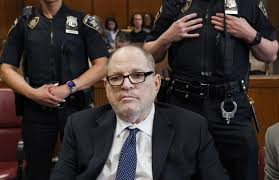
The courthouse fell into a hush on May 16, 2026 when a judge declared a mistrial in the high profile retrial of Harvey Weinstein. After days of deliberation the jury reported it could not reach unanimous verdicts on the charges presented, ending a fraught and closely watched proceeding without a definitive legal resolution. For survivors, prosecutors, defense teams, and the wider public the outcome is wrenching and raises immediate questions about next steps and the meaning of accountability in cases of sexual violence.
How the mistrial unfolded
Judicial staff notified the parties after jurors indicated they were at an impasse. The judge canvassed jurors to assess whether further deliberations might lead to unanimity, but the panel confirmed persistent divisions that judicial instructions and additional time were unlikely to resolve. The formal declaration followed standard procedure: the jury was discharged, the trial record closed, and the court reserved decisions on retrial timing for prosecutors. That bureaucratic sequence carries real human weight for those who testified and for a public that has followed the saga for years.
What charges were at issue
The retrial revisited serious sexual assault charges stemming from incidents alleged to have occurred several years earlier. Prosecutors sought to prove guilt beyond a reasonable doubt on counts that varied in severity and legal elements. Defense counsel contested the credibility and reliability of testimony, emphasizing inconsistencies and the passage of time. The jury s inability to reach a unanimous decision signals deep differences in how jurors weighed conflicting accounts, evidentiary gaps, and the high threshold the law sets for criminal conviction.
Reactions from survivors and advocacy groups
Survivors and advocates reacted with disappointment and renewed calls for systemic change. For many who testified the trial process itself was an ordeal, reliving trauma under intense public scrutiny. Advocacy organizations emphasized that a mistrial does not equate to exoneration and urged policymakers to strengthen survivor centered supports, civil remedies, and processes that reduce retraumatization during prosecutions. Survivors expressed a mix of exhaustion and resolve as they considered their next options, including civil suits or private paths to redress.
Voices in the courtroom
Family members of complainants waited in the corridors as the judge announced the mistrial. Some sat quietly staring at the floor, others wept or clasped hands with friends. A defense lawyer spoke outside the courthouse about the sanctity of reasonable doubt and the need for a fair trial process, while prosecutors reiterated their respect for the jury system and signaled a careful assessment of whether to pursue a retrial. Those human details show how legal determinations translate into personal consequences for many people beyond headlines.
Legal options and likely next steps
The declaration of mistrial leaves prosecutors with several paths. They may seek a retrial on unresolved counts, negotiate plea options where appropriate, or decline further prosecution if they judge the evidentiary case insufficient for a second jury. The decision will weigh the likelihood of securing a conviction against the costs of retrying a case and the welfare of witnesses who would need to testify again. Defense counsel may move to dismiss on double jeopardy grounds where applicable, although double jeopardy typically bars retrial only after an acquittal rather than a mistrial.
Standard of proof and jury dynamics
Criminal cases require unanimity and proof beyond a reasonable doubt. That standard is deliberately exacting because of the consequences of a criminal conviction. In complex sexual assault trials jurors wrestle with evidence that often lacks corroborating records and depends heavily on testimony. Memory fading, differing perceptions of events, and competing narratives can produce juror disagreement even where parties are convinced of their positions. The jury s deadlock underscores these structural challenges within the criminal justice process.
Public discourse and the Me Too context
The retrial and its outcome remain deeply entwined with the broader cultural reckoning around sexual harassment and assault. The Me Too movement prompted increased reporting and public attention, and high profile prosecutions became landmarks in public debate about power, consent, and accountability. A mistrial complicates that narrative. It does not settle the underlying social questions but rather forces renewed conversation about how legal systems, workplaces, and communities respond to allegations and how survivors can pursue justice with dignity.
Institutional reflections
Institutions that employed or collaborated with Weinstein over decades face fresh scrutiny about their responses to allegations and the safeguards they had in place. Calls for stronger corporate policies, clearer reporting mechanisms, and independent investigations during the earliest signs of misconduct are likely to reemerge as part of aftermath discussions. Those institutional reforms aim to prevent harm and to ensure allegations are addressed before they escalate into criminal cases.
Media, privacy, and the experience of survivors
Public trials put survivors in stark relief. Testimony becomes news copy and courtroom moments can spread widely across social platforms. Survivors described the double bind of needing to be heard while fearing exposure, judgment, or disbelief. Advocacy groups renewed appeals for trauma informed practices in courtroom procedures, such as protected testimony options, careful questioning techniques, and robust support services before, during, and after testimony.
Implications for future prosecutions
Legal practitioners reflected that mistrials in complex sexual assault cases are not rare. Prosecutors may refine case strategies, pursue additional evidence, or coordinate with civil litigators to build a more comprehensive record. Defense attorneys may press for evidentiary exclusions or challenge admissibility in ways that shape subsequent case designs. The experience will likely inform prosecutorial decisions nationally about when and how to bring high profile cases to trial.
What to watch next
Key developments to follow include any formal announcement by prosecutors on whether they intend to retry the case, pretrial motions that might shape future proceedings, and responses from survivors about civil litigation plans or other routes to accountability. Observers will also watch how public institutions tied to the case respond to renewed criticism and whether legislative or procedural reforms emerge to support survivors better during criminal processes.
Resources and context
For readers seeking information on sexual assault reporting, support, and legal options there are established resources including national hotlines, local victim services, and organizations that provide counseling and legal referrals. Legal guides and court resources can explain the distinction between criminal and civil remedies and describe procedural elements of trial and appeal.
The mistrial does not end the story. It opens a new chapter in a long narrative about power, responsibility, and the search for justice. We will follow how prosecutors, survivors, and the legal system respond in the coming weeks as decisions about retrial, civil action, and institutional accountability take shape.