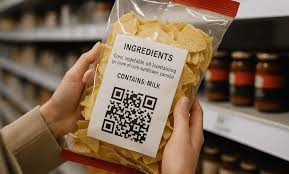
I stood in a quiet supermarket aisle in Tokyo and watched shoppers pause over familiar packages, phones raised to scan small black and white squares. On May 17, 2026 Japan s Consumer Affairs Agency announced a structural overhaul of processed food labeling rules that will mandate QR codes on packaging so consumers can instantly access detailed ingredient provenance, supply chain records, and allergy warnings. The change aims to rebuild trust after a series of incidents that exposed gaps between label claims and actual product content and to give everyday shoppers clear, verifiable information at the moment they decide what to buy.
What the new rules require
The proposed regulation requires manufacturers of processed foods to print scannable QR codes on retail packaging that link to a standardized online information page. That page will include ingredient lists with country of origin for major components, production batch identifiers, processing facility data, allergen declarations, and timestamps for shelf life and storage conditions. For multi component foods the record will show suppliers for key ingredients such as meat, seafood, dairy, and major additives. The agency envisions a uniform data format so that apps and platforms can parse and display the information consistently for consumers and regulators.
Why the agency moved now
Recent scandals involving mislabelled ingredients and unclear sourcing pushed consumer confidence to a low ebb in some product categories. Digital record keeping and ubiquitous smartphones make a QR code system practical at scale, and officials argued that transparency is the most direct way to give shoppers agency. Officials also highlighted public health benefits because rapid access to batch level data speeds responses to contamination events and recalls, reducing exposure and limiting the footprint of safety interventions.
How the system will work in practice
When a shopper scans a package QR code the linked page will display a clear summary designed for quick reading on a phone plus options to view deeper technical data. The summary will show allergen flags prominently, a concise list of primary ingredients, and an easy to understand provenance map showing where major inputs originated. For regulatory users and auditors a secure section will provide batch certificates, laboratory test results, and traceability logs that document the flow from supplier to processor to retailer.
The agency expects manufacturers to maintain digital traceability records in standardized formats and to keep them accessible for a set period after sale. Small producers and importers will receive transition support including digital templates and low cost hosting options to avoid disproportionate burdens on micro enterprises.
Privacy and data security concerns
Public access to product provenance must be balanced against commercial confidentiality and personal data protections. The QR pages will not include proprietary contractual terms or supplier pricing, and they will avoid exposing business sensitive data that could harm competitive positioning. The digital framework includes authentication for access to full audit records so that only authorized regulators and partners can retrieve sensitive documents. Cybersecurity standards and data retention rules are part of the regulatory package to protect both consumers and companies.
Reactions from industry and retailers
Large manufacturers welcomed the clarity while urging realistic timelines for implementation. Retail trade groups noted the potential for fewer large scale recalls if supply chain problems can be identified quickly, but they also highlighted the cost of retrofitting packaging lines and updating enterprise resource planning systems. Supermarkets said the change would help staff manage shelves and respond to shopper questions faster if a simple scan resolves doubts about origin or allergens.
Small and artisanal producers expressed concern about compliance costs and the administrative lift of maintaining digital traceability. The government has proposed a phased rollout and subsidies for small businesses to adopt compliant labeling software and access affordable cloud hosting for traceability records. Those measures aim to prevent market consolidation that might otherwise disadvantage local makers.
Consumer groups and public health advocates
Consumer advocates largely applauded the move as a practical step to empower shoppers. Public health groups saw immediate value in quicker recalls and clearer allergen communication that can prevent hospitalizations. Some civil society organizations pushed for even stronger measures including third party verification of origin claims and public dashboards that track recall histories for brands and product lines.
International trade and import considerations
Japan s food supply chain includes a large share of imported ingredients. The new rule will require importers to obtain provenance documentation from foreign suppliers in formats that can be linked to domestic QR pages. Trade groups in exporting countries may need to adapt record keeping to meet Japan s standardized data requirements. The government said it will coordinate with trade partners and provide guidance to ease cross border compliance and avoid disruptions to trade flows.
Implications for global supply chains
At scale the policy could nudge international suppliers toward greater digitization and traceability. Exporters that already maintain electronic certifications will find market access easier, while those using paper based systems may face pressure to modernize. In effect Japan could accelerate global adoption of traceability standards that benefit public health and deter fraudulent origin claims.
Technical standards and interoperability
The Consumer Affairs Agency is developing a public schema that defines required fields, acceptable data types, and machine readable formats. Interoperability is a priority so that multiple mobile apps, retailer systems, and regulatory platforms can consume the same feed without bespoke integration. The agency will rely on existing QR specifications and open data principles to avoid vendor lock in and to enable civic technologists to build useful consumer facing tools.
Timeline and enforcement
The rollout will be phased. High risk categories such as seafood, meat, and infant foods will be first, followed by processed meals, snacks, and beverages over subsequent years. Enforcement will combine spot audits, mandatory retention of electronic records, and penalties for falsified information. Retailers found to sell mislabelled products could face fines and mandatory corrective communication to consumers who purchased affected batches.
What consumers can expect next
Shoppers will see a transition period where some packages include QR codes and others do not. Consumer education campaigns will show how to scan codes, interpret provenance summaries, and report discrepancies to authorities. Apps may emerge that aggregate product histories, compare brands, and allow users to flag suspicious claims. For people with allergies the instant access to batch information could become a decisive tool for safe shopping and peace of mind.
Broader implications
Japan s policy frames transparency as a public good and a pragmatic remedy to misinformation in food markets. If the program succeeds it could reduce fraudulent labeling, shorten recall windows, and foster consumer trust that products match claims on their packaging. The regulatory shift also highlights how ubiquitous mobile technology can change moments of purchase into opportunities for verification and accountability.
For now the image that lingers is simple: a shopper in a fluorescent lit aisle, a phone held steady, a small square scanned, and an instant window into where food began and how it reached the shelf. We will watch how the technical standards, industry adaptation, and consumer behavior align to make that image a reliable everyday tool for millions of buyers.