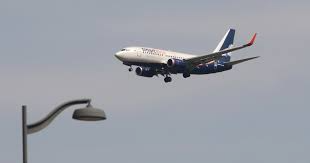
Russian carriers are sharply reducing international routes for the summer 2026 travel season, leaving available seat capacity at levels lower than those seen during parts of the Cold War. The contraction is reshaping travel plans, fraying business ties and deepening Moscow’s transport isolation. I write with a reporter’s eye and a citizen’s concern to explain how this retrenchment happened, who is affected and what the broader economic and political consequences might be.
How dramatic is the decline
Data compiled from flight schedules and aviation analytics show that planned international seat capacity from Russian airports for summer 2026 is down substantially compared with pre crisis years. The scale of reductions means fewer direct links to Europe, Central Asia, the Caucasus and increasingly to long haul markets. This is not merely a seasonal dip it is a structural downward shift that leaves Russia more dependent on a smaller set of corridors controlled by friendly or non aligned states.
The visible effect at airports is a quieter international terminal, longer queues for the fewer remaining connections and an uptick in alternative travel routes through third country hubs. For travelers the change means longer itineraries, higher fares on scarce routes and new paperwork as airlines and ground handlers adjust to shifting regulatory environments and restricted overflight rights.
Why routes are disappearing
Several forces have converged to produce this outcome. Western airspace restrictions and sanctions have removed efficient routings for many carriers, increasing fuel and time costs for flights that remain. Leasing and maintenance constraints limit the availability of Western built aircraft for operators that relied on leased fleets. Insurance and compliance costs have risen as international firms reassess exposure to regulatory and reputational risks.
At the same time demand for travel to and from Russia has weakened. Corporate travel budgets, tourist flows and diaspora movements have all shifted in response to political uncertainty and curbs on visas. Some airlines have reallocated aircraft to more stable markets rather than operate low yield services into Russia. Combined these trends created a feedback loop where reduced service lowered demand further and made routes financially unsustainable.
Which routes and airlines are most affected
Mainline carriers that once maintained broad international networks are trimming long haul services and focusing on domestic and near abroad markets. Low cost and charter operators that relied on leisure flows have suspended many seasonal routes. Key corridors to Western Europe have seen some of the largest cuts while links to Turkey, the United Arab Emirates and Central Asian capitals remain important transit options for travelers seeking alternatives.
Regional airports that depended on international carriers for tourist traffic face sharp revenue declines. For communities in the Russian Far East and the north Caucasus the loss of even a single seat per week can translate into lost hotel bookings and weaker regional business ties. Airlines face difficult choices about fleet renewal, pilot training and whether to pursue new markets that carry regulatory or operational complexity.
Economic ripple effects at home and abroad
The aviation slowdown reduces tourism receipts, complicates supply chains and narrows opportunities for people to travel for work, education and family reasons. Airlines themselves are major employers and large maintenance bases support thousands of skilled jobs. Reduced activity will affect aircraft leasing firms, handling agents, caterers and ground transportation providers.
Internationally the effects are uneven. Transit hubs that serve as detours may see a temporary increase in traffic and revenue. Conversely European and other foreign carriers that once relied on codeshares and interline agreements with Russian airlines must renegotiate partnerships and reassign capacity. Multinational companies may face higher costs for executives and goods that once moved freely between Russia and global markets, a factor that could further damp investment.
Operational and safety challenges
Fewer routes and a more constrained fleet raise operational pressures. Airlines may extend aircraft utilization, compress maintenance windows and accelerate the induction of older airframes into service. That can complicate compliance with international maintenance standards. Regulators and independent safety monitors will need to watch whether operational trade offs increase risk. At the same time some carriers are investing in domestic pilot training and in house maintenance capabilities to reduce reliance on external suppliers.
Air navigation complications also persist. Restrictions on overflight corridors force longer routings that increase crew duty times and complicate scheduling. For cargo operators these inefficiencies translate into higher operating costs that ultimately pass through to shippers and consumers.
Political symbolism and strategic consequences
The shrinkage of international aviation capacity carries symbolic weight. Air connectivity is a barometer of openness and exchange. Reduced links make personal contact between societies harder, limit academic and cultural exchanges and restrict diplomatic engagement that often occurs outside formal channels. For Moscow the contraction underscores the limits of resilience when global systems fragment along political lines.
Strategically the shift pushes Russia toward deeper aviation ties with a narrower set of partner states. Air routes through Turkey, the gulf and Central Asia are gaining prominence while new agreements may expand service to countries willing to accommodate Russian carriers. That realignment will reshape regional hubs and could create alternative supply chains and aviation ecosystems that bypass Western suppliers.
What travelers and businesses should do now
For travelers planning summer trips flexibility will be essential. Expect longer connection times, increased costs and the potential for last minute cancellations. Travelers should book refundable tickets where possible, confirm travel and visa rules with carriers and consulates, and consider travel insurance policies that cover schedule changes and political disruption.
Businesses should reassess logistics plans that depended on direct Russian connections and identify resilient alternatives. Freight forwarders and supply chain managers will need contingency plans that include routing through alternative hubs or shifting transport modes. Employers with staff travel to or from Russia should update travel policies and provide crisis support resources for personnel affected by sudden changes.
Looking ahead
Whether capacity recovers depends on political choices, regulatory shifts and market demand. Restoring broad international service would require resolution of airspace restrictions, rebuilding relationships with lessors and insurers and a return of steady passenger flows. That could take years and hinge on larger geopolitical developments.
For now the quieter terminals and fuller domestic flights are a visible sign that global aviation is becoming more bifurcated. The consequences will play out in business deals delayed, families rerouted and economies recalibrated to new travel patterns. As journalists we will continue to track timetable changes, industry responses and the human stories behind every cancelled route and every novel connection that passengers must now endure.
Further reading
For broader analysis of aviation trends and international airspace policy consult resources at the International Air Transport Association and Eurocontrol which provide data and policy perspectives on global capacity and routing constraints. These materials help place current route reductions within the context of long term shifts in global aviation networks.
International Air Transport Association and Eurocontrol offer detailed reports and traffic data that illustrate how air connectivity changes affect economies and travelers.