Ongoing diplomatic discussions between the United States and Iran have rippled through global markets on May 20, 2026, producing higher oil prices, renewed volatility in currency and bond markets, and a surge of commentary in crypto circles. Traders, corporate treasurers, and ordinary consumers alike felt the effects as the prospect of either deescalation or renewed confrontation created a tightrope for asset prices and economic forecasts.
How diplomacy shapes market sentiment
Diplomatic engagement between Washington and Tehran changes the probability assigned to supply shocks, sanctions relief, and regional military activity. Markets price those probabilities into oil futures, sovereign spreads, and safe haven assets. Over recent sessions modest progress in talks has not produced certainty. That ambiguity leaves traders sensitive to headlines and prompts rapid repositioning in markets that already carry stretched valuations and compressed risk premia.
On the trading floor the mood was taut. Traders described screens awash with news feeds, squinting at minute by minute moves in Brent crude, sovereign credit default swaps, and the dollar index. Those small movements often cascade into larger portfolio shifts as fund managers assess whether to hedge exposures or increase liquidity buffers.
Oil prices and the risk to inflation
Brent crude rose on the prospect that sanctions or supply disruptions could tighten already fragile balances in global oil markets. When oil moves higher inflation expectations follow because energy affects transportation costs, manufacturing inputs, and household budgets. Central banks watch these dynamics closely because persistent oil led inflation can complicate monetary policy, particularly where labor markets remain tight.
For businesses and households the sensory experience is immediate. Logistics managers recalibrate fuel budgets, truck drivers notice fuller pumps, and consumers register higher prices at checkout. Even industries with hedging programs face the prospect of squeezed margins if cost increases arrive faster than contractual protections allow.
Crypto markets become part of the geopolitical conversation
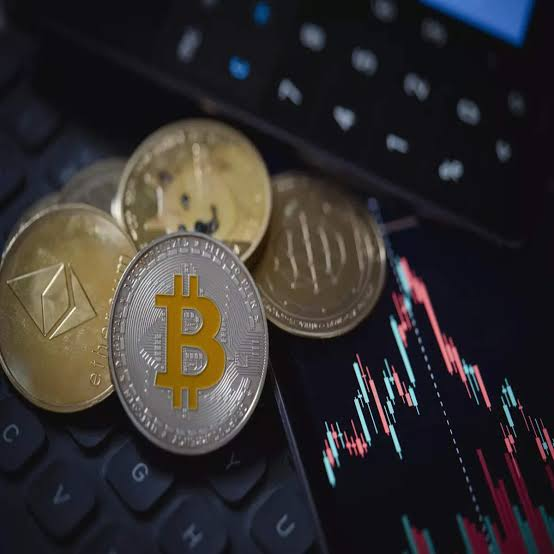
Cryptocurrency markets reacted to the same headlines with heightened chatter about sanctions, capital controls, and the potential for crypto to play a role in cross border flows. Onchain analysts reported spikes in certain token volumes tied to regional counterparties and exchanges. While crypto assets remain a small part of total global finance, their pseudonymous rails and rapid settlement have made them a subject of policy and market debate when geopolitical tensions rise.
Institutional participants expressed mixed views. Some portfolio managers see cryptocurrency as a diversifier or liquidity channel in constrained environments. Compliance officers worry about regulatory scrutiny and the reputational risks of exposure to sanctioned entities. That tension heightens the need for robust counterparty checks and clear governance when trading digital assets during periods of geopolitical stress.
Fixed income and currency moves
As oil and geopolitical risk pushed higher demand for safe assets governments bonds tightened in yield while the dollar strengthened against a range of emerging market currencies. That combination raises borrowing costs for countries that rely on dollar denominated debt and can widen sovereign spreads for nations perceived as nearer to contagion. Corporate borrowers with significant foreign currency exposure face similar pressures as treasury teams scramble to hedge or renegotiate terms.
Emerging market central banks have limited room to maneuver. Raising policy rates to defend currencies risks slowing already fragile growth while leaving rates lower invites capital outflows. That tradeoff played out in trading rooms where currency desks layered options and forwards to manage near term volatility.
Corporate and consumer implications
Companies with global supply chains face a cascade of choices. Procurement teams contend with higher freight and energy costs, sales forecasts require revision, and investor relations teams must explain margin pressures at upcoming earnings calls. For consumers the effect is more tactile. Higher energy prices show up in commuting costs, higher utility bills, and in some regions in the price of staple goods when transport costs rise.
Small businesses that operate on thin margins tend to feel the squeeze first. Restaurant owners, small manufacturers, and logistics services all adjust hours and pricing as costs shift. That microeconomic stress can aggregate into slower retail spending if households truncate discretionary purchases to cover basic needs.
What policymakers might do next
Policymakers have a narrow set of tools when geopolitics shocks energy markets. Strategic petroleum reserves can be released to blunt sudden price spikes. Targeted fiscal support can protect vulnerable households from energy shocks. Central banks can clarify their tolerance for pass through from energy to core inflation though responses vary by jurisdiction and depend on underlying labor market conditions. Each option carries trade offs and must be calibrated against the risk of further destabilizing markets.
Investor playbook for a headline driven period
Investors described a few pragmatic moves to reduce exposure to headline driven whipsaw. Maintain diversified asset allocation that includes high quality government bonds as a liquidity backstop. Size positions so that forced selling is unlikely during short term shocks. Use options or other hedging instruments to protect large exposures to oil sensitive sectors. Finally, stay disciplined about rebalancing so that temporary shifts in prices do not permanently alter long term strategy.
Human stories and frontline perspectives
At a fuel station on the outskirts of a port city drivers queued beneath a bright canopy as attendants refilled tanks. Conversations moved from local politics to the rising cost of a basic commute. In a procurement office across town a manager ran a stress test on supply routes while the hum of air conditioning and the staccato of keyboards reinforced the sense of urgent practicality that runs beneath market commentary. Those everyday scenes make abstract market moves real and underscore why macro shocks matter to families and firms alike.
What to watch next
Market participants will be watching three categories of signals closely. First diplomatic developments including any breakthroughs that reduce the probability of supply disruption. Second oil inventory and production reports from agencies that track global supply and demand balances. Third statements from central banks addressing how they view energy driven inflation and the tolerance for transitory price effects. Each signal will be interpreted through a lattice of positioning, liquidity conditions, and broader economic data that together determine market direction.
For readers seeking further background the International Energy Agency provides detailed supply and demand analysis and the Council on Foreign Relations maintains accessible briefs on U S Iran relations and regional dynamics. Those resources can help contextualize headlines and inform practical decisions for businesses and households.
A cautious conclusion
Markets respond quickly to shifts in geopolitical expectations and energy prices. The current period of U S Iran engagement reflects a dual possibility of negotiated easing that could relieve pressure on oil and risk premia or escalation that tightens markets further. We recommend staying informed, focusing on liquidity and risk management, and noting that behind every price chart are people adjusting plans and paying for those shifts. Would you like a short briefing on hedging strategies for corporate treasurers managing oil and currency risk?