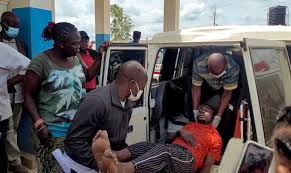
The World Health Organization declared the Ebola outbreak affecting communities in the Democratic Republic of Congo and Uganda a Public Health Emergency of International Concern on May 20, 2026, after health authorities confirmed 134 deaths. The declaration signals the gravity of the crisis and mobilizes an intensified international response as medical teams race to contain transmission, treat the ill, and protect vulnerable populations.
What the emergency declaration means
A Public Health Emergency of International Concern is the World Health Organization’s highest alert. It allows for coordinated global action, including rapid deployment of medical teams, expedited funding, and activation of emergency supply channels for vaccines, therapeutics, and protective equipment. The designation also triggers recommendations on cross border measures and alerts governments to the need for urgent public health interventions to reduce spread and save lives.
Where the outbreak stands and how it began
Health ministries in the Democratic Republic of Congo and Uganda reported clusters of Ebola virus disease cases in rural and periurban areas. The initial cases appeared in communities with limited access to formal health care and where cultural practices around caregiving and funerals can amplify transmission. Epidemiological teams are working to trace contacts, isolate cases, and map chains of transmission while laboratories confirm infections using polymerase chain reaction tests.
Human stories behind the numbers
On the ground the crisis feels immediate and intimate. Families describe sudden high fevers, extreme weakness, and bleeding that turned homes into places of panic. Clinicians and aid workers speak of long nights under harsh lighting while tending to patients who plead for water and a touch. Local health workers, many of whom are members of the same communities, have continued to care for the sick despite risk to their own lives, a reality that underscores both courage and vulnerability.
Clinical features, treatment options, and vaccines
Ebola is a viral hemorrhagic fever that can cause fever, severe weakness, vomiting, diarrhea, and multisystem organ failure. Rapid supportive care with fluid management and electrolyte correction improves survival. In recent years monoclonal antibody therapies and antiviral agents have been shown to reduce mortality when administered early. Licensed vaccines exist that protect against multiple strains of Ebola and have been used effectively in past outbreaks to ring vaccinate contacts and frontline workers.
Expanding access to these therapeutics and vaccines is a central objective of the global response. That effort faces logistical hurdles including cold chain management, trained personnel for safe administration, and community acceptance amid fear and misinformation.
Public health response and containment measures
Response teams are deploying case isolation units, mobile laboratories, and contact tracing operations. Community engagement specialists are working with local leaders to adapt interventions to cultural contexts, explaining safe caregiving and burial practices while seeking to maintain trust. Surveillance has been increased at border crossings and transport hubs, and local clinics are receiving training to identify suspect cases early.
Actions authorities are taking
- Scaling up vaccination campaigns for contacts and frontline workers to form protective rings around cases.
- Expanding testing capacity to accelerate diagnosis and reduce time to treatment.
- Providing personal protective equipment and training to health workers to limit occupational exposure.
- Strengthening communication to counter misinformation and encourage early care seeking.
International coordination and aid
International agencies and donor governments are mobilizing resources. The emergency declaration unlocks access to contingency funds and coordination mechanisms within the United Nations system to support logistics, surge staffing, and procurement of critical supplies. Non governmental organizations with outbreak experience are redirecting teams to support clinical care, psychosocial support, and risk communication.
Technical guidance from the World Health Organization and partners informs standardized case management and infection prevention protocols. Financial and material support is being routed through national ministries of health to ensure interventions reach affected communities quickly.
Risks and challenges ahead
The outbreak response faces several acute challenges. Rural health infrastructure is limited, and security issues in parts of the affected regions can restrict access for medical teams. Stigma and fear may drive patients away from formal care, increasing transmission risk. Logistics for vaccines and therapeutics are complex, particularly in remote settings where cold storage and reliable transport are scarce.
Moreover cross border movement can spread the virus into new areas unless surveillance and screening are strengthened. Health systems already stretched by other diseases and resource constraints may struggle to absorb the additional burden.
How communities can protect themselves
Practical steps help reduce personal risk and protect loved ones. People should seek immediate medical attention if they develop sudden fever, severe weakness, vomiting, diarrhea, unexplained bleeding, or contact local health authorities if they have been exposed to someone with confirmed Ebola. Avoiding direct contact with the bodily fluids of sick individuals, using protective equipment when caring for the ill, and following safe burial practices significantly lower transmission risk.
Trusted local leaders and health workers can provide guidance tailored to cultural contexts. Reliable information about symptoms, where to seek care, and vaccination sites should be shared through community channels, radio, and verified digital platforms.
Where to find authoritative information
Readers can consult the World Health Organization site for current situation reports and guidance and the Centers for Disease Control and Prevention for traveler advice and clinical resources. These institutions provide regularly updated technical advice on case definitions, infection control, and therapeutic options.
As we follow this crisis together our focus should remain on rapid, humane care for those affected and practical measures to stop further spread. The emergency declaration by the World Health Organization is a call to action for governments, health professionals, and communities to work in concert to save lives and restore safety to affected regions. Would you like a concise brief on vaccine availability and how ring vaccination operations work?