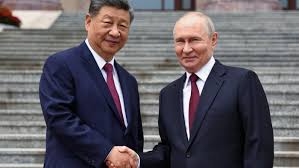
On May 21 2026 following a state visit by President Vladimir Putin in Beijing China and Russia announced a package of bilateral agreements that deepen strategic coordination across energy trade infrastructure finance and defense cooperation. The visit produced practical accords and rhetorical affirmations that both governments said would stabilize a broad partnership at a time of global geopolitical friction. For citizens business leaders and neighboring states the agreements promise closer ties while raising questions about regional balance and economic dependencies.
What the agreements cover and why they matter
The accords signed during the visit span long term energy supply contracts joint infrastructure projects expanded financial settlement arrangements in non dollar currencies and cooperative defense research initiatives. Energy deals include commitments to increase pipeline gas deliveries and to expand liquefied natural gas supply chains with multi year purchase arrangements and coordinated investments in upstream projects. Infrastructure cooperation touches rail freight corridors logistics hubs and joint financing for cross border projects intended to link Russian exports with Chinese markets.
From a strategic perspective these agreements matter because they cement economic interdependence that both capitals view as a hedge against external pressure. For Moscow deeper access to Chinese capital and market demand reduces Russia s exposure to Western financial instruments. For Beijing secure energy supplies and overland logistics routes support industrial continuity and expand Eurasian connectivity for trade routes alternative to maritime chokepoints.
Financial mechanics and currency cooperation
Top officials announced measures to expand bilateral trade settlement in local currencies and to increase the use of alternative payment rails. This includes credit lines in renminbi and ruble denominated financing facilities that aim to reduce reliance on global dollar clearing systems. Officials framed these steps as practical responses to sanctions risk and as a way to lower transaction costs for regional trade.
Such arrangements will require operational work to scale correspondent banking relationships to support larger volumes and to manage foreign exchange liquidity. Market participants will watch whether expanded currency swaps and central bank facilities translate into meaningful increases in non dollar invoicing for trade and investment flows.
Defense cooperation and sensitive technologies
The leaders announced frameworks for collaborative defense research and for joint testing of certain platforms and systems. Public statements emphasized interoperability in training exercises and in technology exchanges that support secure communications and logistics. While officials described these activities in general terms the agreements signal deeper security coordination that will prompt attention from other major powers worried about shifts in regional military balance.
Analysts will scrutinize whether cooperation extends into dual use technologies with civilian applications and how export controls and international export regimes may be affected. The pace and scale of technology sharing will also shape supplier decisions in allied markets and influence defense procurement strategies across the region.
Energy and infrastructure on the ground
At a petrochemical terminal on the outskirts of a Russian port I observed cranes and tankers operating in a cadence that now links into long term loading plans tied to Chinese contracts. Engineers described an uptick in project planning for pipeline capacity upgrades and for shared logistics nodes intended to smooth year round deliveries. Construction crews on a new rail freight corridor spoke about optimism for sustained work and for local subcontracting opportunities that can feed regional economies.
For communities near major projects the immediate benefits are jobs local procurement and infrastructure improvements. The trade off can include environmental concerns and debates over land use that local officials must manage through permitting and community engagement processes.
Business reaction and market implications
Businesses welcomed clarity on long term demand for energy and on infrastructure commitments that can reduce supply chain friction for firms operating across Eurasia. Exporters who sell capital goods and logistics services anticipate contract opportunities while financial institutions positioned to support cross border projects may gain underwriting roles for syndicated loans and project finance.
At the same time some investors expressed caution about concentrated exposure. Firms that depend heavily on Western markets will monitor secondary effects such as potential retaliatory measures or shifts in global supply chain norms. Credit analysts will reassess sovereign and corporate risk profiles based on the new economic ties and on the extent to which the deals create durable revenue streams.
Regional diplomatic ripple effects
Neighbors and partners in Central Asia the Caucasus and Southeast Asia will watch the partnership for implications on regional connectivity and influence. The agreements may accelerate Chinese led connectivity projects that pass through Central Asian states or increase Russian involvement in regional security dialogues. Smaller states will weigh options about where to align economically and whether to hedge between major powers.
Major global actors will likely respond with diplomatic outreach and economic incentives intended to maintain influence and preserve supply chain relationships. Strategic competition may take on more economic dimensions as states offer financing packages or favorable trade terms to sway regional partners.
Human stories and local perspectives
On a street near a logistics terminal local vendors described new traffic and a modest rise in business as truck drivers and construction workers stopped for meals and supplies. A schoolteacher remarked on new textbooks and donated equipment tied to cultural exchange programs funded by joint projects. Those small scale signals reflect how high level pacts translate into daily rhythms that affect livelihoods and services.
Conversely activists voiced concerns about environmental review processes and transparency in contract awards. Communities facing large projects often seek clearer information on long term impacts and fair compensation for disruptions. The way both governments manage consultations and environmental safeguards will influence public acceptance of projects over time.
Legal and sanction risk
Observers noted the need to assess how expanded bilateral ties interface with existing sanction regimes and export control frameworks. Firms must navigate complex compliance environments that may require legal adaptation such as enhanced due diligence and revised contracting clauses. Multinational companies with operations spanning multiple legal jurisdictions will need robust compliance teams to manage exposure and to ensure that transactions do not run afoul of third party restrictions.
Governments and private actors will also look for mechanisms that permit legitimate commerce while addressing legal uncertainties created by geopolitical competition.
What to watch next
Key indicators to follow include the practical rollout of increased energy deliveries the volume of trade settled in local currencies the number and scope of joint infrastructure projects that move from agreement to construction and any published timelines for defense cooperation activities. Market signals such as investor commitments to project finance and revised sovereign risk assessments will reveal how private capital interprets the agreements.
Diplomatically the response of major economic partners and of neighboring states will shape whether the accords become a durable axis of cooperation or a tactical arrangement that adjusts with shifting pressures.
Where to find official texts and further analysis
Readers seeking the full texts of the agreements and official communiqués can consult the websites of the Russian and Chinese ministries of foreign affairs as well as major international economic analysis centers for commentary and policy papers. These sources provide direct documentation and expert interpretation that clarify the legal and economic contours of the accords.
Russian Ministry of Foreign Affairs official releases and Chinese Ministry of Foreign Affairs press statements host the primary documents and statements that outline commitments and timelines announced during the state visit.
The visit and its agreements mark a deliberate step toward closer Sino Russian coordination that carries economic opportunities and geopolitical consequences. How both governments manage implementation domestic impacts and external responses will determine whether the partnership reshapes regional dynamics for years to come.