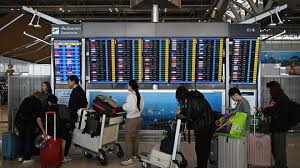
More than 200 charter flights carrying Chinese tourists to Thailand were canceled on May 22, 2026 as global jet fuel costs climbed, delivering a sudden blow to regional travel networks, hotels, and the many people who rely on cross border tourism for their livelihoods. The cancellations highlight how volatile energy markets ripple through air travel, tour operators, and local economies that have been rebuilding after pandemic related shutdowns.
Scale of the disruption and immediate fallout
Tour operators and aviation brokers say the cancellations affected carriers operating out of several Chinese cities and primarily served popular Thai destinations such as Bangkok Phuket and Chiang Mai. The lost flights represent a sizable share of scheduled charter capacity for the season and triggered a cascade of refunds, rebookings, and short term staffing adjustments at airports and hotels. For travelers the experience ranged from frustrated delays at check in counters to sudden shifts in holiday plans that required quick decisions about whether to accept vouchers or full refunds.
At the destination level small and medium sized hotels reported empty rooms and last minute cancellations just as peak season demand was expected to firm. Restaurant owners and tour guides who depend on steady arrivals faced abrupt dips in revenue. Some local suppliers said they scrambled to reallocate perishable food inventory that had been prepared to serve incoming tour groups.
Why fuel matters so much to charter travel
Jet fuel is one of the largest components of an airline operating budget and charter flights operate on thin margins. When fuel prices spike operators either absorb the cost and accept losses or pass the expense to customers through surcharges or route cancellations. For charter services, which often lock pricing months in advance as part of package deals sold by travel agents, sudden fuel price increases can quickly make flights uneconomical.
In this case industry insiders point to a combination of tight refinery output and elevated crude oil benchmarks that pushed aviation kerosene prices up in recent weeks. That left some Chinese carriers and brokers choosing to cancel because fuel surcharges required to keep flights operating would have made packages prohibitively expensive for consumers.
Human stories amid canceled trips
At a Beijing travel agency an office manager described a steady stream of anxious calls from tourists who had planned anniversaries family reunions and long awaited escapes. One couple said they had booked a Phuket beach wedding for later this month and now faced the prospect of postponing the ceremony or moving it to a local venue. In Chiang Mai several guides told our reporter that last minute cancellations meant lost income for the entire community including drivers and market vendors who earn tips from visitors.
For workers in Thailand reliant on Chinese tourism the cancellations are not just numbers. They are meals unpaid rents and fragile savings threatened by a change in global markets. That human cost is a reminder that energy shocks transmit quickly into everyday livelihoods across borders.
Industry responses and mitigation steps
Airlines and tour operators moved to manage losses and preserve customer relationships. Many offered full refunds or vouchers with extended validity to maintain goodwill. Some operators reorganized itineraries by consolidating smaller groups into larger flights to maintain some level of service while lowering per passenger cost. Thai hoteliers extended flexible cancellation policies to avoid hard losses for travelers and to keep options open for last minute bookings.
Longer term travel industry groups are calling for more sophisticated fuel risk management tools including hedging mechanisms and contractual clauses that allow for transparent surcharge adjustments when fuel costs exceed predetermined thresholds. Trade associations also urged greater coordination between airlines and tour operators so that pricing models better reflect volatility and avoid sudden cancellations when markets move.
Regional economic impact and travel market signals
China remains one of Thailand most important source markets and any sustained reduction in arrivals would slow recovery in sectors such as hospitality retail and local transportation. Economists caution that a string of energy related cancellations could reduce investor confidence in hospitality expansion plans and prompt a rethinking of staffing models that assume steady peak season demand.
At the same time some businesses see opportunity in the disruption. Domestic tourism promotions within Thailand and targeted marketing toward other source markets may partially offset lost Chinese charter capacity. Low cost carriers offering flexible point to point services could capture travelers who prefer to self arrange trips rather than buy bundled charters.
Example of a quick adaptation
One mid sized resort near Phuket converted several rooms normally reserved for charter groups into flexible short stays and marketed them through regional online travel platforms. The resort also introduced local experience packages aimed at nearby urban residents to fill gaps created by canceled flights. Such adaptive measures provide a buffer but do not replace the volume and spending power of organized outbound tourists from China.
Policy questions and industry preparedness
Policy makers and aviation regulators face questions about how to support connectivity without distorting market signals. Providing temporary financial relief to carriers raises fiscal concerns while urging industry risk management could take time to implement. Regulators in some regions have updated guidance on fuel surcharge disclosure so passengers face fewer surprises and operators can signal pricing adjustments earlier in the booking process.
There is also growing recognition of the need for diversified tourism strategies that do not rely on single markets or single transport modes. Strengthening rail links regional flights and multi hub coordination can reduce vulnerability to shocks concentrated in one market or transport sector.
What travelers and businesses should watch
Travelers should expect continued price sensitivity in the short term and consider travel insurance policies that cover supplier insolvency or cancellations tied to fuel surcharges. Businesses engaged in tourism should track jet fuel benchmarks refinery outputs and airline capacity updates to anticipate when disruptions might occur and to design flexible booking terms.
Key indicators to monitor include jet fuel price trends reported by energy agencies airline capacity schedules published by aviation authorities and statements from major Chinese tour operators about future charter programs. For context on aviation fuel markets and their role in airline economics readers may consult analysis from reputable energy and aviation sources such as the International Air Transport Association and the International Energy Agency https://www.iata.org https://www.iea.org.
Looking forward with realism and resilience
The cancellations of more than 200 charter flights illustrate how interconnected systems respond to market changes and how quickly everyday plans can be upended by global commodity shifts. The human consequences are immediate for travelers and those who depend on tourism income. The practical lessons point to better risk sharing across the value chain clearer communication with customers and policies that promote industrial and market resilience.
For now the priority for industry leaders is to manage this shock with clear communication and compassionate customer care while governments and businesses work to build buffers that reduce the chance of similar disruptions in the future. Those steps will matter not only for the recovery of regional travel but for the economic health of communities that live by the arrivals of visitors from far away places.