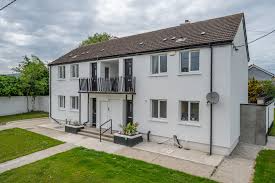
On May 25, 2026, global home improvement indexes recorded a sharp 24 hour surge in eco smart retrofits as homeowners moved from spring projects into concentrated upgrades for summer comfort and energy savings. The data shows a rapid pivot toward smart grid integrations, automated climate control systems and demand response devices that promise immediate reductions in bills and smoother loads on urban power systems during peak heat.
Why the sudden rush matters
The spike is more than seasonal activity. It reflects a maturing consumer market where smart thermostats, connected HVAC controls and two way meters become mainstream tools for managing household energy use. Utilities that face rising summer peaks welcome the retrofit wave because distributed intelligence lets devices throttle demand or shift consumption to off peak windows. For households the appeal is tangible: quieter, more stable indoor temperatures, lower monthly costs and the comfort of a home that anticipates the day ahead.
What homeowners are buying and installing
Three product groups dominated the 24 hour surge. First, smart thermostats and zoning controllers that replace single point temperature control with room level management and adaptive scheduling. Second, automated HVAC retrofits that add variable speed drives and smart compressors to older systems for more efficient modulation. Third, smart meters and home energy management hubs that integrate solar inverters, battery storage and vehicle charging with time of use signals from utilities. Together these upgrades change how homes consume, produce and store electricity.
How installations interact with the grid
When aggregated across neighborhoods, smart devices deliver flexibility to the grid. Utilities can send demand response signals that prompt thermostats to pre cool homes earlier in the morning when prices are low, reducing stress on the network during late afternoon peaks. Bidirectional meters let excess rooftop solar be stored or exported when local demand is high. The result is a smoother load curve, fewer emergency dispatches from peaker plants and a lower probability of rolling outages during heat waves.
Smart scheduling and behavioral gains
The human factor is crucial. Many systems include learning algorithms that observe household routines and adapt set points to balance comfort and savings. Homeowners report a pleasant sensation when a house gradually cools before a returning commute, avoiding abrupt blasts of cold air and cutting runtime. These small everyday improvements shape attitudes toward energy conservation in ways that are hard to achieve with messaging alone.
Costs, incentives and payback
Upfront costs remain a barrier for some homeowners, but a mix of falling device prices, financing options and utility rebates has tightened payback windows. Time of use tariffs and demand charge reductions can shorten the return period for smart HVAC retrofits to a few years for high usage households. Governments and utilities in many regions offer point of sale rebates, interest free loans or on bill financing that lets households spread costs while benefiting from immediate savings.
Financial assistance models
Programs that target low income households and multi family buildings are expanding because they yield high social value during heat events. Some municipalities now bundle efficiency grants with community outreach and installation days where crews visit blocks with portable diagnostic rigs. These initiatives not only install equipment but also educate residents on settings that yield the best comfort to cost balance.
Supply chain and workforce realities
Surges of this scale expose logistical constraints. Manufacturers are racing to meet orders for controllers, smart meters and retrofit kits while installers report booking windows measured in weeks rather than days. Training a workforce capable of safe HVAC retrofits and electrical meter integration is a critical bottleneck. To manage demand, many providers use remote commissioning where technicians validate system performance over the network after local installers complete physical hookups.
Quality and service considerations
Rapid deployment carries risk if quality controls are sidelined. Poorly sized systems, incomplete commissioning or misconfigured automation can reduce efficiency gains and cause customer frustration. Industry bodies and utilities therefore stress certified installer networks and post install verification that measures actual energy performance against expected baselines.
Equity and accessibility concerns
While affluent neighborhoods often lead adoption, municipal programs aim to reach renters and apartment buildings that historically miss out on efficiency upgrades. Multifamily retrofits require coordination across property managers, residents and utilities; success stories show measurable drops in common area cooling costs and fewer emergency maintenance calls. Ensuring that the benefits of smart retrofits reach all income levels is both an ethical priority and a strategy that increases aggregate grid resilience.
Case example
In one coastal city a community program combined free thermostat upgrades for qualifying households with an educational campaign on smart scheduling. The initial pilot reported a noticeable decline in midday peak load for participating blocks and residents described fewer overheating complaints during heat spikes. The local utility used that success to expand the program to nearby neighborhoods.
Environmental and health benefits
Reduced peak demand often means fewer fossil fuel peaker plants run during extreme weather, which lowers local air pollution and greenhouse gas emissions. There are also immediate public health benefits when heat related stress on vulnerable residents decreases because homes remain cooler and refrigeration for medicines and food is more reliable. Energy efficient retrofits therefore link climate mitigation with tangible community wellbeing.
Where to learn about standards and best practice
For homeowners and contractors seeking technical guidance, organizations such as the International Energy Agency provide research on demand response and building electrification best practices. National bodies and utilities publish local rebate listings and certified installer directories that help ensure projects meet expected performance and safety standards.
Looking forward
The 24 hour surge in eco smart retrofitting reflects a broader shift: homes are becoming both consumers and active managers of energy. As summer peaks approach, coordinated action between utilities, governments and service providers will determine whether these upgrades deliver sustained savings and resilience. For individuals the decision to retrofit blends practical comfort with community impact. For cities the choice to support accessible programs shapes who benefits when the heat rises and reliability matters most.