On July 24 2026 the United States diplomatic security apparatus issued an updated travel warning for the Middle East after a fresh wave of regional tensions prompted multiple international carriers to suspend flights and several countries to close or restrict airspace. The advisory arrives as travelers face cascading cancellations rerouted itineraries and uncertainty at major hubs from the Gulf to the Levant. For families waiting at departure gates and for business travelers watching connections evaporate the human cost of geopolitical friction is immediate and personal.
What the latest warning says and who it affects
The updated guidance urges travelers to reassess plans to or through the region and to monitor airline notices and local authorities for evolving restrictions. The alert reflects a security landscape that can shift within hours as diplomatic exchanges and military posturing play out. It covers a broad arc of countries where airspace closures diversions and ground stoppages have become more frequent. The language is measured but clear. Risk is elevated. Disruption is likely. Contingency planning is essential.
We have seen this pattern before when regional conflicts spill into civil aviation. The difference now is the speed and scale of the ripple effect. A single incident can trigger a chain reaction of cancellations across continents as airlines reposition aircraft and crews to maintain safety and regulatory compliance. For passengers the result is longer waits scarce hotel rooms in transit cities and the stress of rebooking in a tight market.
How airspace closures and flight suspensions unfolded
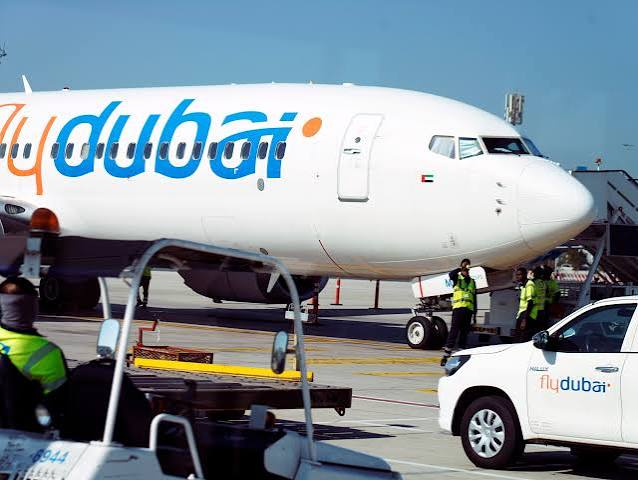
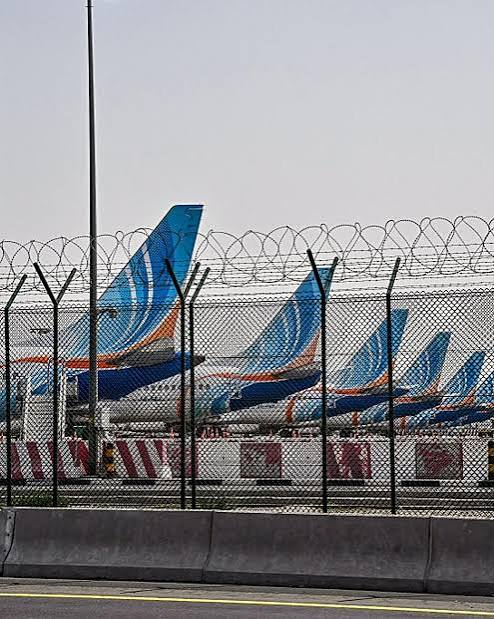
Multiple international carriers announced temporary suspensions or reroutings after regional authorities issued notices to airmen and adjusted flight corridors. Some airlines diverted long haul services around affected zones adding hours to flight times and burning extra fuel. Others grounded specific routes entirely until the situation stabilizes. Airport operators in key hubs reported waves of delayed departures and arrivals as slots were reshuffled and ground handling resources were stretched.
For travelers already in the region the impact is felt in crowded terminals and at check in counters where agents work to rebook thousands of passengers on limited seats. Families with young children elderly relatives or medical needs face the toughest choices. Do they wait for a resumption of service or seek alternative overland routes and ground transport that may carry their own risks. The answer depends on individual circumstances and on real time information from airlines and local authorities.
Practical steps for travelers right now
If you have a trip planned to or through the Middle East in the coming days take these steps immediately. First confirm your flight status directly with your airline and check for rebooking options or alternative routings that avoid restricted airspace. Second review your travel insurance policy to understand coverage for trip interruption cancellations and emergency medical care. Third register your travel plans with your government so that consular services can reach you if conditions deteriorate. The US State Department maintains a travel advisory portal where citizens can enroll in alerts and access country specific guidance.
For those already in transit build flexibility into your schedule. Keep important documents and medications in your carry on. Maintain a charged phone and portable power bank. Save local emergency numbers and the contact details of your embassy or consulate. If your airline cancels a segment ask for written confirmation of the cancellation and of any rebooking commitments. This documentation can be vital when negotiating with hotels car rental firms or alternative carriers.
What airlines and airports are doing to manage the disruption
Carriers are activating contingency plans that prioritize safety and regulatory compliance. Many are offering fee free rebooking or refunds for affected routes and are deploying additional aircraft on alternative corridors where possible. Some are coordinating with partner airlines to absorb displaced passengers. Airports are extending operating hours where feasible and mobilizing extra staff to assist with rebooking lounge access and accommodation for stranded travelers.
Communication is the critical variable. The best managed disruptions are those where passengers receive timely accurate updates about cancellations reroutings and next steps. Travelers should subscribe to airline notifications check airport websites and follow official social media channels for real time changes. In fast moving situations information can lag behind events so maintain a margin of time and money for unexpected delays.
Why this episode matters beyond the airport
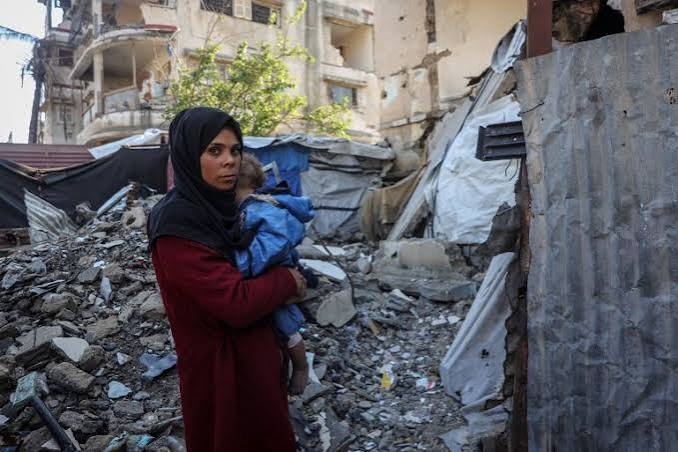
Aviation is a barometer of regional stability. When airlines pull back and airspace closes it signals that risk assessments have crossed a threshold. The consequences extend beyond travel itineraries. Supply chains that rely on air cargo feel the pinch. Business meetings and investment trips are postponed. Tourism dependent economies lose revenue. The human dimension is most acute for communities that depend on remittances sent by workers who travel frequently or for families separated by conflict who rely on reliable air links to reunite.
There is also a diplomatic dimension. Airspace access is a leverage point in negotiations and a signal of trust between states. When channels close dialogue becomes harder and miscalculation becomes easier. The international community has a stake in keeping civil aviation corridors open and safe. International civil aviation rules and practices provide a framework but they require political will to function during crises.
Lessons from recent escalations and what to watch next
Recent weeks have seen a cycle of strikes and retaliatory actions across the region that have repeatedly tested ceasefire arrangements and threatened critical infrastructure. The United Nations has called for de escalation while documenting damage to civilian facilities and disruptions to shipping lanes that affect global trade. These dynamics feed directly into aviation risk assessments. When missile and drone threats rise and when critical nodes such as ports and power plants are targeted airlines respond by avoiding airspace that could be affected by spillover.
Travelers should monitor several indicators in the coming days. Official notices to airmen and civil aviation directives that redraw flight corridors. Statements from defense ministries about air defense postures and intercepts. Airline operational updates that signal whether suspensions are temporary or likely to extend. And diplomatic signals from regional capitals and international mediators that could point to a cooling of tensions or a further hardening of positions.
How to protect yourself and your plans
The most effective protection is preparation. Before booking any trip to a region with elevated risk review current travel advisories and understand the baseline security environment. Choose flexible fares that allow changes without heavy penalties. Build buffer time into connections so that a single cancellation does not unravel an entire itinerary. Consider alternative hubs that are less exposed to the immediate theater of tension.
While traveling maintain situational awareness. Follow local news and official guidance. Avoid large gatherings and areas near sensitive installations. Keep a low profile and respect local laws and customs. If conditions deteriorate follow instructions from local authorities and your embassy. In many cases the safest course is to remain in a secure location until commercial options reopen or until organized evacuation assistance becomes available.
Where to find reliable updates and assistance
For the most current information rely on official sources. The US State Department travel advisory site provides country specific alerts and enrollment options for citizens abroad. The International Air Transport Association and the International Civil Aviation Organization publish guidance for the aviation industry that often filters into airline operational decisions. Your airline customer service and airport information desks remain the primary channels for flight specific updates.
We recognize that traveling during periods of heightened tension is stressful and uncertain. The goal of these advisories is not to induce panic but to equip travelers with the information they need to make prudent choices. By staying informed keeping flexible and prioritizing safety passengers and their families can navigate this episode with reduced risk and greater confidence.