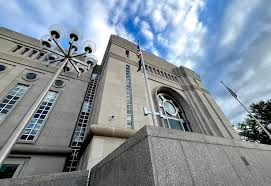
A federal judge on May 29, 2026 declared New Hampshire House Bill 1569 unconstitutional, ruling that the statute imposing documentary proof of citizenship for voter registration created an unnecessary and unlawful barrier to the right to vote. The ruling halts a measure that critics said would have disenfranchised eligible voters and complicated routine registration for thousands of residents.
What the court decided and why
The court found that HB 1569 required registrants to produce documentary evidence of United States citizenship as a precondition for registration in many common situations where other reliable means of verification already exist. The decision emphasised constitutional protections for the franchise and concluded the law added burdens that were not justified by demonstrated risks of fraud. The judge pointed to established administrative procedures that States use to verify eligibility without demanding documentary proof from every registrant and said the statute created an arbitrary obstacle that is likely to suppress lawful participation.
Legal analysis in the opinion weighed evidence about the scale of registration errors and potential fraud against the practical impacts on voters. The court concluded that the state had not shown a sufficient nexus between the rule and a compelling interest that could not be achieved by less restrictive means such as database checks, oath based attestation, or supplemental auditing programs.
Immediate impact on voters and election officials
The injunction accompanying the ruling prevents election officials from enforcing the documentary proof requirement while appeals proceed. For voters the ruling maintains current registration practices and preserves access for citizens who lack ready access to documents such as birth certificates or naturalization certificates. Election administrators welcomed clarity that allows them to continue processing registrations using existing verification workflows and to focus resources on outreach and integrity measures that do not impose new documentary hurdles.
Officials in the Secretary of State office said they would continue to accept sworn attestations and routinely used data matches with federal and state records for verification. Local registrars reported relief, noting that collecting additional paperwork would have been time consuming and could have strained assistance services for older voters and low income households.
Voices from communities and voting rights groups
Civic organisations and civil rights advocates praised the decision as a defense of access to the ballot. A lawyer for a national voting rights group described the statute as a solution in search of a problem that would have disproportionately affected vulnerable populations including low income residents, seniors, and people living in remote areas where records are harder to obtain. Community leaders said the ruling preserved the dignity of voters who may not possess historical documents or who face costs and delays when retrieving records.
Conversely proponents of HB 1569 defended the law as an effort to strengthen confidence in elections. A spokesperson for legislators who backed the statute argued the requirement was intended to reduce the risk of ineligible registrations and to improve the accuracy of voter rolls. They signalled an intention to appeal the ruling, framing their position as one grounded in election integrity rather than exclusion.
Legal context and precedent
The ruling sits within a broader national debate over voter registration requirements. Courts have repeatedly balanced state interests in election integrity with constitutional protections against undue burdens on the right to vote. Past decisions have upheld some verification measures when narrowly tailored and supported by evidence, while striking down broad documentary rules that impose significant hurdles without demonstrable necessity. The judge in this case cited precedent that disfavors laws likely to produce widespread disenfranchisement absent compelling justification.
Federal statutes and guidance offer mechanisms for verifying citizenship without blanket documentary mandates. Systems that compare registrant information to databases maintained by Social Security, the Department of Homeland Security, and state motor vehicle registries can identify mismatches while minimising paperwork burdens. The court noted those alternatives as less burdensome and sufficiently effective when properly implemented.
How this affects future legislation and policy debates
The decision will reverberate in state legislatures and policy circles considering similar measures. Lawmakers seeking to tighten registration rules must now contend with judicial scrutiny that requires them to provide solid empirical evidence tying proposed restrictions to actual problems they aim to solve. The ruling underscores that policymakers cannot rely on speculative risk assessments when crafting laws that touch core civic rights.
At the same time the ruling may provoke efforts to craft more narrowly tailored statutes that focus on targeted audits, improved database interoperability, or investment in modernization of voter registration systems. Those alternatives present a different policy path that proponents of election security can pursue without imposing broad documentary barriers on registrants.
Practical guidance for voters
Voters in New Hampshire should experience no change to current registration procedures as litigation continues. Residents who plan to register or update their registration can rely on standard processes managed by local registrars and the Secretary of State office. Those who seek authoritative information on required documentation and registration deadlines can consult official state election websites or local clerk offices for up to date guidance.
Organizations that assist voters said they will continue outreach and help people obtain records when needed, but praised the ruling for removing a rule that would have increased demand for costly document retrieval services. Civic groups encouraged residents to confirm registration status early of course well before any elections so last minute issues can be resolved with time.
What may come next in court
State attorneys indicated they plan to appeal the decision to a federal appellate court, arguing that the trial record supports their claims about registration vulnerabilities. If an appeal proceeds, courts will again examine the evidentiary record and consider whether the statute is narrowly tailored to a compelling state interest. Appellate review could produce a stay that temporarily reinstates parts of the law while litigation continues, or it could affirm the trial court and end the statutory effort.
The pace and outcome of appeals are uncertain and will depend on legal briefing schedules and court calendars. Observers expect the case to attract amicus briefs from civil rights organisations, election law scholars, and state election officials, given its potential implications for registration rules nationally.
Where to find authoritative resources
Readers seeking reliable information on voter registration rules and the legal framework around voting rights can consult the United States Election Assistance Commission for federal guidance and the New Hampshire Secretary of State for state specific procedures. Those sites provide official forms, deadlines, and contact information for local election officials.
The court decision affirms a principle that has guided election jurisprudence for decades voters should not face unnecessary and discriminatory obstacles to register and to participate in democratic life. As the legal process unfolds we will watch appeals and legislative responses closely because they will shape how access and integrity are balanced in an era where both are central to public confidence in elections.
For federal guidance on voting processes and registration resources visit the United States Election Assistance Commission at eac.gov and for New Hampshire state election information consult the Secretary of State website.