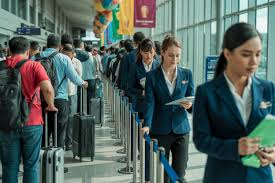
With the FIFA World Cup 2026 fast approaching and peak summer travel set to flood airports across North America, aviation authorities and border agencies have issued emergency advisories imposing strict baggage rules and arrival timing mandates. The Canadian Air Transport Security Authority and the Canada Border Services Agency have joined airlines in urging passengers to allow significantly more time for screening and customs clearance to avoid missed flights and long waits.
What the advisories require travelers to do
Agencies are asking passengers to arrive at airports earlier than standard recommendations so security checkpoints and border processing can operate without bottlenecks. Expectations now include arriving for international departures at least four hours before scheduled takeoff for major hubs that will experience match day surges, carrying compliant baggage to reduce secondary inspections, and completing required digital or paper forms before arrival at the terminal. Airlines are coordinating slot and boarding policies to discourage late arrivals and to preserve tight turnaround schedules during this period of elevated demand.
Practical steps for passengers
Travelers should verify allowable carry on and checked baggage sizes and prohibited item lists with their carrier, pre check in online and download boarding passes, and complete customs declarations or electronic travel authorizations in advance where applicable. Where biometric or pre clearance kiosks are available, enrolling in those programs can speed processing. Passengers traveling with merchandise intended for resale should consult customs guidance on declarations and duties to avoid seizures or fines that delay onward travel.
Why authorities are taking this approach
The convergence of a global sporting event and the traditional summer travel peak creates a unique operational stress test for airports and border control systems. Large groups moving simultaneously through terminals increase the probability of queues that cascade into missed connections. High volumes of match related luggage and fan paraphernalia also raise screening loads. The coordinated advisories aim to preserve safety, maintain secure flows, and limit the economic and human costs of chaotic processing by smoothing demand across time and improving the quality of passenger preparedness.
Security screening realities at busy gates
Security officers report that screening for event related items such as large flags, banners, and fan inflatables typically takes longer than routine checks because those items require more careful inspection. Additional secondary screening for liquids, electronics, and unchecked items also increases processing time. Aviation security teams will increase staffing and deploy mobile screening lanes where feasible, but their effectiveness depends heavily on passengers following guidance about what can be brought through checkpoints.
Border processing and customs considerations
Customs and immigration officials will face a mix of tourists, visiting fans with merchandise, and returning residents carrying purchases from abroad. To reduce friction officials are expanding digital declaration options where possible and setting up temporary processing centers at high traffic entry points. Still, enforcement of customs rules will continue, and travelers should be prepared for inspections of goods and documentation. Cross border bus and rail terminals will also see increased staffing to handle fan movements between host cities.
Advice for families and group travelers
Groups traveling together should consolidate documentation ahead of arrival and assign one person to manage passports and visas for the party to speed processing. Families with young children should bring simplified proof of guardianship when travelling with minors and pack essentials in carry on to reduce dependence on checked luggage that may face delays. Where possible splitting luggage across bags that meet size limits prevents oversized fees and secondary checks that slow boarding.
Airline policies and contingency plans
Major carriers serving host cities have announced contingency measures to preserve schedule integrity. Those include standby staffing of additional customer service agents, flexible rebooking procedures for passengers who miss connections due to airport congestion, and expanded baggage handling shifts to prevent misconnects. Some airlines are also limiting complimentary carry on allowances for particular flights at peak times to accelerate boarding and reduce gate hold times. Passengers should check with carriers for any temporary rule changes that may affect their trip.
What to expect if you are delayed
Airlines generally offer options for rebooking when delays are caused by airport congestion, but entitlements vary by carrier and fare class. Travelers should keep digital receipts for any additional expenses and document interactions with airline staff. Travel insurance that covers missed connections and emergency accommodation may be especially valuable during the World Cup period.
Technology and infrastructure measures
Airports are deploying operational technology to manage surges including predictive queue monitoring, flight flow optimization tools, and temporary self service kiosks for customs declarations. Real time data sharing between carriers, airport authorities, and border agencies helps identify pressure points and redeploy resources quickly. Some facilities will open additional security lanes and use remote screening facilities to reduce terminal congestion during peak match windows.
Role of pre clearance and trusted traveler programs
Where pre clearance systems are in operation, travelers can complete immigration formalities before departure, saving time on arrival in the destination country. Trusted traveler programs with biometric enrollment and expedited lanes provide genuine speed gains, though enrollment typically requires advance application and vetting. For occasional travelers, completing digital declarations and using airport apps for real time updates are the next best options.
Health, safety, and accessibility concerns
Authorities stress that extended waiting times can exacerbate health issues for vulnerable passengers. Airports will expand seating, shade and hydration stations where crowds are expected, and ensure priority processing for travelers with medical needs. Accessibility services will be maintained with advance requests encouraged to ensure mobility assistance is available when terminals are crowded.
Keeping calm in crowded terminals
Simple steps reduce stress during long waits. Pack a small emergency kit with medications, chargers, snacks, and copies of travel documents. Leave extra time for restroom breaks and phone battery management so you can receive real time flight alerts. Airline apps and airport monitors remain the most reliable sources for gate changes and boarding calls when terminals are noisy and crowded.
What to watch as the World Cup approaches
Expect continued updates from CATSA and CBSA refining arrival and screening guidance as forecasts of passenger volumes become clearer. Airlines may announce route adjustments or temporary capacity increases to meet demand. Travelers should monitor official advisories from their carrier and national border agency and act early to secure any expedited processing enrollment if available.
Official resources and further reading
For authoritative guidance on security rules and arrival procedures, readers can consult the Canadian Air Transport Security Authority for screening requirements and the Canada Border Services Agency for customs and immigration information https://www.cbsa-asfc.gc.ca. Airline customer service pages and airport official sites will publish the most current operational notices relevant to passengers.
A final note on shared responsibility
The surge in travel for the World Cup is a collective challenge. Agencies and airlines can expand capacity and adjust operations, but the smooth movement of millions of fans depends on individual preparedness and cooperation. When passengers follow baggage rules, arrive early, and complete required declarations in advance they help protect precious time and the well being of fellow travelers. That simple cooperation will make the difference between chaotic terminals and an experience that matches the joy of the event itself.