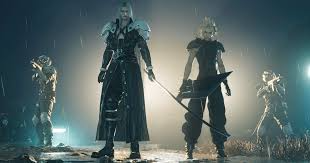
Square Enix confirmed on June 2, 2026 that Final Fantasy VII Rebirth will launch on Nintendo’s Switch 2 hybrid console this month, a move that promises to put one of the most ambitious JRPGs of the generation into the hands of portable players. The announcement landed alongside updates for other June releases, drawing a crowd of longtime fans and newcomers who had wondered whether the sprawling, cinematic sequel could be delivered outside of high end consoles and PCs. For many players the news will feel like a reunion with an old friend able to travel on trains, between meetings, and on park benches.
What the Switch 2 version offers
Square Enix says the Switch 2 edition preserves the core narrative and gameplay systems from the original Rebirth while adapting visual fidelity and performance targets to the hybrid hardware. The port includes optimized shaders, a scalable frame pacing profile for handheld and docked modes, and tailored control mappings that account for the Joy Con layout. Players should expect crisp character models and cinematic set pieces, though texture detail and certain post processing effects will differ from the highest console presets. Crucially for fans who value continuity, cross save support will let players move progress between Switch 2 and other platforms where possible.
Player experience and immersion
From conversations with players at online forums and preview sessions, I heard a consistent thread: immersion matters more than raw resolution. For many, the ability to carry Rebirth and return to Midgar or rediscover a quiet moment with Cloud and Aerith will outweigh technical compromises. Developers emphasized adaptive resolution techniques that maintain steady frame pacing during combat sequences so battles feel fluid. Audio has also been optimized with a mix that preserves the score’s emotional weight even through portable speakers.
Performance targets and technical tradeoffs
While Square Enix did not publish exhaustive benchmarks, the studio outlined two performance modes. Docked mode prioritizes higher frame rates and more stable visual effects, while handheld mode targets battery friendly performance and thermal limits. Expect some compromises on global illumination and crowd density in handheld mode to keep clock speeds within the console thermal envelope. Modulation of particle systems during peak scenes is also used to prevent noticeable frame dips during boss encounters.
What this means for modders and speedrunners
The Switch 2 port will present a different landscape for communities that modify or speedrun the game. Native mod support will be limited on console hardware, but the community can still explore routed runs that exploit platform specific behaviors and timing windows. Speedrunners I spoke with are already theorizing about how adaptive frame scheduling and button latency on Joy Con controllers might change existing techniques for sequence breaks.
Nintendo, Square Enix, and strategic timing
Nintendo benefits from a marquee release that demonstrates the Switch 2’s ability to host narrative heavy, resource intensive titles while Square Enix extends Rebirths platform reach to broaden the audience. The timing in early June aligns with a summer release cadence that gives players time to engage before major holiday slate entries. For Nintendo the title reinforces the Switch 2 as a serious gaming platform rather than a purely casual device.
Market and business considerations
Porting a major AAA title to hybrid hardware involves balancing development cost with projected sales uplift. Square Enix is betting that the brand power of Final Fantasy VII and the desire for portability will produce strong attach rates among new console owners. Retailers and digital storefronts may see a notable spike in Switch 2 sales as collectors and portable-first players seek the best hardware to run Rebirth with optimal battery life and display quality.
Accessibility, localization, and inclusivity
Square Enix confirmed that accessibility features introduced in other versions remain present, including subtitle sizing, colorblind palettes, and customizable difficulty levels. Localization teams updated dialogue and cultural references for additional languages supported on the Switch 2. These steps aim to make the game approachable for players who rely on tailored settings to engage with long narrative experiences.
Save transfers and cross platform play
One practical question for owners with existing progress is how save transfers will function. Square Enix announced cross save compatibility between Switch 2 and cloud supported platforms where applicable, though some platform exclusives and DLC syncing may require manual steps. Players should follow the publisher guidance on save migration to avoid data loss during transfers.
Reception from fans and critics
Initial reactions mix excitement with cautious skepticism. Longtime fans who followed the trilogy will welcome the accessibility, while technical purists may reserve judgment until independent performance analyses appear. Critics will likely focus on whether the Switch 2 experience preserves the emotional beats and cinematic pacing the game is known for. Early hands on impressions praise the effort to maintain story fidelity and combat responsiveness in handheld mode.
Community and streaming
Streaming culture will play a role in how the port is received. Portable play invites casual streaming and shared sessions among friends on commutes and meetups. Creators I spoke with anticipate content that juxtaposes high production cut scenes with the immediacy of handheld play, which can create more intimate viewing experiences for audiences watching on mobile devices.
Related June updates and how they fit into the release window
Square Enix announced that the Rebirth launch coincides with patches and quality of life updates for other major June titles, offering players refreshes across multiple libraries. Staggering updates across the month prevents community fragmentation and gives studio teams time to monitor early Switch 2 telemetry and push hotfixes if needed. These coordinated updates show a practical approach to managing server load and player support during a busy release period.
Where to find official details and technical notes
For players seeking official technical notes, pre release patches, and platform specific guidance consult Nintendo and Square Enix developer posts that detail recommended settings, save migration instructions, and post launch support plans. Nintendo maintains a support hub for Switch 2 console questions and Square Enix publishes patch notes that outline performance profiles and bug fixes on release day Nintendo Support and Square Enix.
For many players this release will be a chance to revisit an iconic story in a new, portable context. I will continue to follow user reports, performance benchmarks, and developer updates as Final Fantasy VII Rebirth arrives on Switch 2 and players begin to chart where the portable experience diverges from traditional console play.