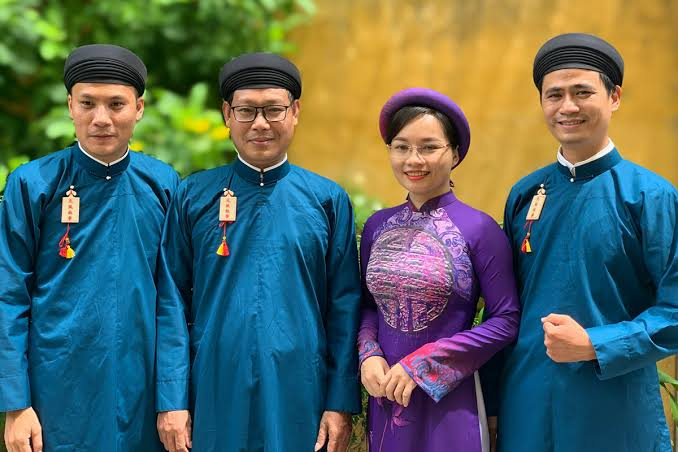
Global Fashion Week All Stars 2026 opened in Hanoi with a collection that felt less like a runway debut and more like a cultural statement. Designer Han Phuong presented handcrafted ao dai looks inspired by northern mountain life, using sustainable textile techniques that gave the opening night a strong sense of place, memory, and purpose.
A runway steeped in identity
The collection, titled Huyen Sac Non Cao, set the tone for the event by placing Vietnamese heritage at the center of the stage. Rather than lean on glossy spectacle alone, the opening show drew strength from texture, handwork, and the quiet discipline of traditional craft. That choice mattered. In a fashion season often crowded with loud silhouettes and fast visual impact, Han Phuong offered something more grounded: garments that carried the weight of history in every seam.
The ao dai, Vietnam’s signature long dress, has long held a special position in national fashion, but it takes on fresh meaning when reworked through artisanal methods and regional storytelling. In Hanoi, the collection moved with a kind of stillness that invited attention. The fabrics suggested mountain mist, forest color, and the patient labor of textile workers who have kept local techniques alive for generations. It was an opening that asked the audience to look closely and listen with their eyes.
Reports from the event described the show as one of the main highlights of Global Fashion Week All Stars, which is part of the larger Vietnam Event and Exhibition Week at the Vietnam Exposition Center in Dong Anh. The scale of the venue gave the presentation a public, civic feeling, while the clothing itself remained intimate and handmade. That contrast helped the collection stand out. It was both a fashion moment and a reminder that cultural dress can still lead the conversation in a globalized industry.
Mountain culture in every detail
Han Phuong’s collection drew inspiration from northern mountain communities, and that influence was visible not just in pattern and color but in the spirit of the garments. The palette recalled earth, bark, indigo, and weathered stone. The construction suggested hand finishing and techniques that require time rather than speed. In an era when many fashion pieces are designed for quick attention, these looks seemed designed for memory.
That connection to mountain culture is not decorative. Northern Vietnam’s textile traditions carry deep practical knowledge about spinning, weaving, dyeing, and adapting local materials to daily life. The use of handcrafted methods in the collection helped place those traditions in a contemporary setting without stripping them of their meaning. The result was respectful rather than theatrical. The clothes did not merely reference heritage. They seemed to come from it.
Fashion readers and travelers alike can find useful background on these traditions through the UNESCO cultural heritage resources, which document how craft practices help preserve identity, and through Vietnam tourism and culture materials that highlight the role of mountain textile communities in regional history. Those references matter because a fashion show like this does more than display clothing. It points to a living cultural ecosystem.
What the collection seemed to signal
- Heritage fashion can hold the center of a major international event.
- Handmade textile work still has strong visual and emotional power.
- Sustainable materials can support beauty rather than limit it.
- Regional craft traditions remain relevant to modern runway storytelling.
Sustainability as a design language
One of the most significant aspects of the collection was its use of sustainable textile techniques. That phrase can sound technical, but on the runway it translated into visible care: fibers that felt purposeful, finishing that suggested restraint, and a design philosophy rooted in reuse, labor, and natural materials. In a fashion world increasingly asked to account for its environmental impact, such choices carry more than aesthetic value.
Sustainable fashion is often discussed in terms of reduced waste or lower chemical use, but collections like this show how sustainability can also deepen meaning. When a garment is made with slower methods, the process itself becomes part of the story. The audience sees not just the final look but the human effort behind it. That can create a different kind of appreciation, one less centered on novelty and more centered on stewardship.
In the case of Han Phuong’s opening show, the use of handcrafted techniques aligned naturally with the ao dai’s own heritage. The garment’s elegance has always depended on proportion, line, and fluid movement. That makes it an ideal canvas for natural fabrics and artisanal detail. The collection used that relationship well, proving that sustainability does not have to appear rustic or unfinished. It can look precise, elevated in a restrained sense, and deeply contemporary.
Why Hanoi was the right stage
There was a strong logic to opening Global Fashion Week All Stars in Hanoi. The city carries a layered identity of tradition and modern growth, making it a fitting place to stage a conversation between fashion innovation and cultural memory. The atmosphere around the event reflected that blend. Visitors encountered a venue humming with energy, yet the collection itself invited a slower emotional rhythm, as though the show wanted the audience to pause and consider where style comes from.
That sense of place is increasingly important in fashion, especially as designers search for ways to create work that feels distinct rather than generic. Global audiences now respond not only to silhouette but to story. A collection tied to northern Vietnam offers both visual richness and cultural specificity. It gives fashion buyers, editors, and audiences something they can remember because it carries the feel of a real landscape and a real tradition.
The event also appeared to reinforce Vietnam’s growing role as a cultural and creative destination in Asia. When a fashion week opens with a collection so clearly tied to national identity, it sends a message that local heritage is not a side note to global style. It is part of the draw.
Audience response and wider meaning
The emotional strength of the presentation came from its balance. It was polished without feeling overproduced, and reverent without feeling sealed off from the present. That balance can be difficult to achieve in fashion, where heritage themes sometimes risk becoming costume. Here, the collection felt rooted in living practice. That made it resonate.
There is also a broader conversation taking shape around fashion and cultural preservation. When designers work with traditional motifs, handcrafted fabrics, and regional techniques, they can help create demand for skills that might otherwise fade under industrial pressure. That does not solve every problem facing artisan communities, but it can generate attention, pride, and in some cases sustainable livelihoods. Fashion can be a commercial industry and a cultural bridge at the same time.
For readers interested in the business and preservation side of craft, organizations such as the International Federation of Designers and cultural heritage bodies continue to discuss how contemporary design can support traditional knowledge. The conversation matters because every successful show that draws from heritage also raises a question: how do we honor the source communities, not just the look they inspire?
What this opening may mean for the season ahead
Global Fashion Week All Stars 2026 opened with a clear signal that cultural authenticity has real power on the runway. The decision to begin with Han Phuong’s ao dai collection suggests that the organizers see heritage not as a niche theme but as a serious creative direction. That could influence how other designers present their own work over the coming days.
If this opening is any indication, the season ahead may reward collections that are grounded in craft, region, and material honesty. That would be a welcome development. In a time when fashion often moves at the speed of the scroll, there is something refreshing about clothes that ask for a longer look and reward that attention with depth.
Han Phuong’s opening collection did more than introduce a new season. It reminded viewers that fashion can still carry a sense of origin. In the stitched folds of an ao dai, in the weight of natural fabric, in the echo of mountain culture, the runway found its first story of the week. It was a story told quietly, beautifully, and with confidence.