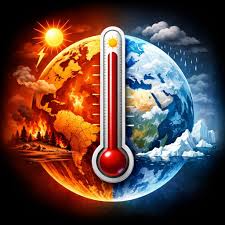
The World Health Organization issued a stark warning on June 7 2026 after epidemiological data collected over the prior 24 hours revealed a rapid and unexpected migration of tropical respiratory vector strains into regions long considered temperate. The shift carries immediate public health implications for clinicians public health officials and communities who may face unfamiliar patterns of respiratory illness this season.
What the WHO reported and why it is urgent
WHO experts described accelerating changes in the geographic distribution of several pathogens and vector borne respiratory agents that historically circulated in tropical climates. Preliminary surveillance shows clusters of atypical respiratory infections in parts of southern Europe the northeastern United States and coastal East Asia where clinicians are now seeing clinical presentations and laboratory signatures linked to tropical strains. The agency called for heightened surveillance expanded diagnostic testing and rapid sharing of genomic data to track spread and evolution.
The urgency arises from three overlapping concerns. First certain pathogens carry different virulence or transmissibility profiles than local strains which can alter hospitalization rates. Second populations in temperate regions may have lower immunity because of limited prior exposure. Third public health systems are often configured around historical seasonal patterns and may lack ready capacity for novel case distributions.
How climate and ecology are reshaping pathogen movement
Scientists point to shifts in temperature humidity and precipitation patterns that change migration routes breeding habitats and vector abundance. Warmer winters and earlier springs create windows for vector species long constrained by cold weather to survive and expand northward or to higher elevations. Changes in land use and human mobility also play a role by creating more contact between humans and newly established vector populations.
Vector borne respiratory threats can be complex. Some pathogens rely on insect or arthropod carriers while others spread through environmental reservoirs that respond to climate variability. The current signals suggest a mixture of mechanisms at work with local ecological changes enabling both direct introductions and onward transmission inside communities that had not previously seen these strains.
What clinicians and hospitals should do now
Hospital leaders and frontline clinicians will need to adjust clinical suspicion testing and infection control rapidly. Practical steps include expanding multiplex respiratory panels in emergency departments prioritizing genomic sequencing for unusual positive samples and updating cohorting protocols to reduce nosocomial spread. Triage algorithms should factor recent travel exposure novel symptom clusters and potential co infection with endemic respiratory viruses.
Public health labs should accelerate sharing of sequences through global platforms and coordinate with WHO reference centers to identify markers of increased transmissibility immune escape or antiviral resistance. Early detection of such markers will guide therapeutics and vaccine strategy adjustments.
How communities and vulnerable groups will be affected
Communities that lack robust primary care networks or that are socioeconomically disadvantaged may experience disproportionate impacts. Older adults people with chronic respiratory disease and those with limited access to testing face higher risk of severe outcomes. Health systems should prioritize outreach vaccination drives where relevant bolster respiratory support capacity and ensure culturally appropriate public health messaging reaches nonnative speakers and migrant populations.
Schools workplaces and long term care facilities should revisit ventilation standards outbreak mitigation plans and sick leave policies to reduce transmission opportunities and prevent rapid disruption of essential services.
Policy and planning recommendations
- Scale surveillance: broaden sentinel networks integrate environmental monitoring and widen the scope of respiratory pathogen panels in clinical labs.
- Invest in sequencing: fund rapid genomic surveillance and real time data sharing to spot mutations that affect severity or treatment response.
- Strengthen primary care: expand access to testing antiviral medications and supportive outpatient care to limit hospital surges.
- Adapt public guidance: update risk communications ventilation recommendations and mask policies where local data indicate rising risk.
Research priorities and unanswered questions
Researchers now face a tight timeline to answer critical unknowns. How quickly will these strains establish sustained community transmission in temperate settings which environmental niches are most permissive and do existing vaccines or therapeutics retain efficacy against the genomes now appearing in surveillance data. Longitudinal cohort studies and challenge models may help but require coordinated funding and international collaboration.
WHO and academic consortia are urging immediate field studies that pair ecological sampling with human serology to map exposure histories and immune landscapes. Cross disciplinary teams including climatologists entomologists and social scientists will be needed to produce actionable models that inform local public health decision making.
Global coordination and data sharing
The WHO emphasized that rapid transparent data exchange is central to an effective response. Centralized repositories for genomic sequences interoperable case reporting systems and harmonized laboratory protocols will let countries compare notes quickly and avoid fragmented responses. For technical guidance on pathogen genomics platforms and best practices see resources at the WHO site and the Global Initiative on Sharing Avian Influenza Data which offers frameworks for sharing sequence data responsibly WHO GISAID.
How individuals can protect themselves right now
People can take practical steps immediately to reduce risk. Stay current with recommended vaccinations for respiratory pathogens where applicable maintain good ventilation in indoor spaces use well fitting masks in crowded poorly ventilated settings and seek testing promptly if you develop new respiratory symptoms especially if you have recent travel or exposure to known clusters. Those with chronic conditions should speak with their clinicians about pre arranged care plans and access to antivirals or supplemental oxygen if prescribed.
A human view on unfolding change
For clinicians on night shift and public health workers in overwhelmed labs this is a moment of renewed urgency and professional strain. For parents teachers and caregivers the prospect of unfamiliar respiratory illnesses evokes fear and practical worries about caring for sick family members while maintaining jobs and schooling. The WHO alert is a call to collective preparedness that hinges on scientific clarity timely logistics and community solidarity.
Final reflection
The rapid appearance of tropical respiratory vectors in temperate regions signals a shift that public health systems must confront with speed and humility. Science can provide the tools but implementation will depend on funding policy coordination and the everyday choices people make about testing isolation and protective behaviors. Monitoring the coming days and weeks will determine whether this signal remains a regional challenge or becomes a broader public health emergency requiring large scale intervention.