On June 21, 2026 the World Health Organization announced stepped up monitoring after recent shifts in migratory bird routes and reports of mammalian mutations in H5N1 avian influenza increased concerns about potential cross species transmission. The move reflects an urgent push by global health authorities to sharpen detection, accelerate data sharing, and strengthen preparedness measures so communities and health systems can respond swiftly if the virus acquires traits that sustain human spread.
What changed in the virus and why experts are watching closely
H5N1 remains primarily a pathogen of wild birds and domestic poultry, yet genetic sequencing in several outbreaks showed mutations associated with replication in mammalian hosts. Virologists are watching key changes in the virus genome that could affect receptor binding, replication efficiency, or transmission routes. Those molecular signals do not mean a pandemic is inevitable but they do raise the probability that additional laboratory and field investigation is required to assess risk more precisely.
At the same time, altered migratory patterns have shifted where infected flocks interact with domestic birds and mammal populations. Climate driven changes to wetland availability and weather patterns, combined with disruptions in land use, are redirecting flyways. The result is unfamiliar contact points between wild birds, poultry operations, and peri urban mammals such as feral cats and small carnivores. That ecological mixing increases opportunities for the virus to cross species and undergo further adaptation.
Expanded surveillance aims and tools
The WHO directive expands surveillance in three linked domains. First, genomic surveillance will increase sequencing of viral samples from birds, mammals, and any suspected human cases to detect mutations of concern early. Second, syndromic surveillance in hospitals and clinics will be heightened to identify unusual clusters of severe respiratory illness that could suggest human infection. Third, environmental and animal health monitoring will be intensified at farms, live bird markets, wetlands, and wildlife rehabilitation centres to map transmission interfaces.
Technologies used include faster sequencing platforms, real time data dashboards, and coordinated bioinformatics pipelines that flag mutation patterns. The WHO is encouraging member states to share sequences through established repositories and to use standardized metadata so scientists can compare findings across regions and time. Rapid antigen and PCR testing capacity is being bolstered in sentinel sites to reduce delays between sample collection and analysis.
What this means for public health readiness
Preparedness centers on early detection, rapid response, and therapeutic capacity. Strengthening laboratory networks means suspected cases can be confirmed sooner and contacts traced more effectively. Stockpiles of antiviral medications and considerations for vaccine platform readiness are being revisited so that, if a human transmissible strain emerges, immunization can be scaled more quickly.
The WHO is also advising national authorities to update pandemic preparedness plans to reflect current ecological drivers and to rehearse response protocols through tabletop exercises. Hospitals are urged to review surge capacity, infection prevention controls, and protective equipment inventories. Public health communications are a priority so that guidance to clinicians and the public is clear, consistent, and evidence based rather than alarmist.
Community guidance and risk communication
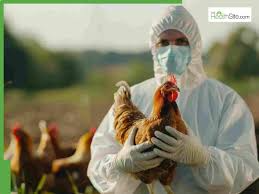
For most people the immediate risk remains low. The WHO emphasizes sensible precautions around sick or dead birds, such as avoiding contact, reporting sightings to local authorities, and ensuring poultry handlers use protective equipment. People working in wet markets, poultry farms, or wildlife rehabilitation need heightened biosecurity and vaccination for seasonal influenza to reduce risk of co infection that could enable viral reassortment.
Effective risk communication balances realism with reassurance. Health authorities should explain what surveillance finds and what it does not find, how human cases would be detected, and what steps individuals can take. Clear messaging reduces fear and supports cooperation with containment measures if they become necessary.
Animal health, agriculture, and economic implications
Outbreaks in poultry create immediate agricultural losses and threaten livelihoods for small scale farmers. Culling infected flocks, disinfecting premises, and imposing movement restrictions can keep a viral event geographically limited but impose steep economic costs. The WHO is coordinating with the World Organisation for Animal Health and with national agriculture ministries to align response plans that protect both public health and food security.
Measures being emphasized include vaccination of poultry where appropriate, rapid compensation schemes to encourage prompt reporting, and improved biosecurity for farms near wetland and migratory bird habitats. Those measures reduce incentives to hide outbreaks and help control spread while limiting ineffective or harmful interventions.
Research and vaccine preparedness
Scientists are accelerating experiments to determine whether the observed mutations change transmissibility, disease severity, or antigenicity. Animal model studies, cell culture assays, and structural biology work clarify how viral proteins interact with mammalian receptors and with the human immune response. That information guides vaccine strain selection and helps determine whether existing candidate vaccine viruses remain a good match.
Vaccine platforms such as mRNA, viral vector, and inactivated technologies can be adapted more rapidly than older methods, but production capacity and regulatory pathways still require time. Advance planning includes manufacturing agreements, clinical trial frameworks for rapid evaluation, and equitable allocation mechanisms so lower income countries receive timely access if vaccination becomes necessary.
International collaboration and data sharing
Global health security depends on transparent, timely reporting and on sharing biological samples and sequence data. The WHO is urging Member States to contribute to collective surveillance databases and to participate in joint risk assessments. Collaborative networks of laboratories and public health agencies facilitate cross border investigations, coordinated travel and trade guidance, and pooled scientific analysis.
To support this work the WHO network is providing technical assistance for sequencing capacity in lower resource settings and is helping countries integrate animal and human health data using One Health frameworks that recognize the interconnectedness of ecosystems, animals, and humans.
Where to follow developments and credible guidance
Readers can track clinical and epidemiological updates via the World Health Organization and by consulting national public health agencies for local advisories. For scientific data on viral sequences and molecular changes, repositories that curate consensus sequences and mutations offer direct access for researchers and clinicians. The WHO maintains situation reports and guidance documents that explain the evidence base behind recommended actions.
For context on how influenza surveillance operates and how vaccine strain selection works, the Global Influenza Surveillance and Response System provides technical background and historical perspectives on seasonal and pandemic influenza management.
Closing perspective
The intensified WHO monitoring effort reflects a precautionary stance grounded in science and a commitment to readiness. Genetic alerts and shifting bird migrations are signals that require careful interpretation, rapid investigation, and transparent communication. By strengthening surveillance, bolstering laboratory networks, and coordinating animal and human health responses, the international community can reduce the window of uncertainty and improve the odds of detecting and containing any threat early. For frontline health workers, farmers, and families near wetlands the message is clear but measured take sensible precautions and support reporting and biosecurity measures that protect both public health and livelihoods.