We rarely see a single research figure capture an entire industrial transformation, but the latest numbers from ABI Research do exactly that. Commercial Industrial AI activity has climbed more than 218 percent worldwide, a leap driven by physical and generative AI deployments from companies including NVIDIA, Siemens, and Microsoft. For those of us who have watched manufacturing technology evolve in incremental steps for years, this is not incremental. This is a floor shifting beneath an entire sector.
What This Surge Actually Represents
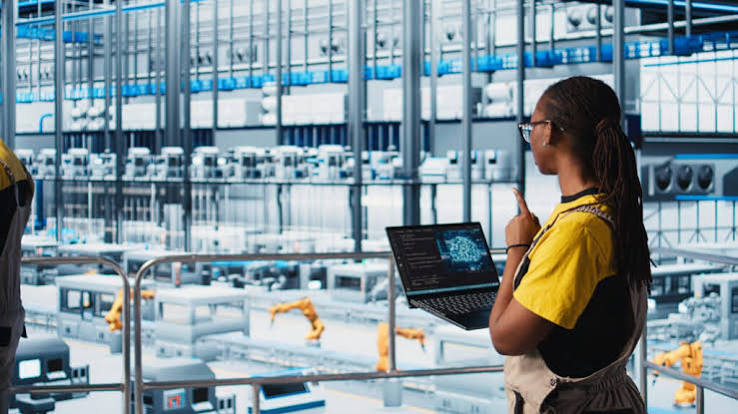
Numbers this large can feel abstract until you picture what they mean inside an actual facility. Walk into a modern automotive plant today and you might find robotic arms making micro adjustments in real time based on sensor feedback, or a generative AI system flagging a component defect before a human inspector even reaches that station on the line. This is the texture behind the statistic. The 218 percent figure reflects a wave of commercial deployment, meaning companies are not merely piloting these tools in isolated test cells anymore. They are integrating them into daily production at scale.
We spoke with industry observers who pointed to a convergence of factors behind this timing. Compute costs have dropped enough to make edge AI processing viable on the factory floor itself, sensor technology has matured, and generative AI models have become sophisticated enough to interpret unstructured data such as maintenance logs, acoustic signatures from machinery, and visual inspection footage. When those pieces align simultaneously, adoption accelerates rather than crawls.
The Role of NVIDIA, Siemens, and Microsoft
It would be difficult to tell this story without naming the companies steering it. NVIDIA has positioned its computing hardware and simulation platforms as the backbone for training physical AI systems, including digital twin environments where manufacturers can test robotic behavior long before deploying it on an actual line. Siemens brings decades of industrial automation credibility, embedding AI directly into programmable logic controllers and factory management software that plant engineers already trust. Microsoft, meanwhile, has pushed cloud infrastructure and generative AI copilots into industrial settings, giving frontline workers conversational tools to query equipment data without needing a background in data science.
What makes this trio notable is not competition but complementary positioning. Hardware, industrial domain expertise, and cloud software each solve a different piece of the deployment puzzle, and manufacturers benefit when these layers work together rather than requiring a single vendor to master everything. Research from organizations such as the World Economic Forum’s manufacturing initiatives has long argued that this kind of ecosystem cooperation, rather than isolated innovation, is what actually moves industrial technology from demonstration to daily use.
Physical AI Versus Generative AI on the Factory Floor
These two categories often get blurred together in casual conversation, but they solve different problems. Physical AI refers to systems controlling machinery and robotics, making split second decisions about movement, force, and precision based on live sensor input. Generative AI, by contrast, tends to sit closer to human workflows, summarizing reports, predicting maintenance needs from historical patterns, or answering plain language questions about production data.
We find it worth pausing on how these two branches reinforce each other in practice. A generative AI system might analyze months of vibration data and flag that a particular motor is trending toward failure. That insight then feeds into a physical AI controlled maintenance schedule, which adjusts production flow to accommodate a repair window without halting the entire line. Neither system alone accomplishes what the combination does, and this layered approach is a major reason ABI Research’s figures show such steep growth rather than gradual movement.
The Human Element Inside Automated Facilities
There is a persistent worry, understandable and worth taking seriously, that this kind of growth signals job displacement on a massive scale. We do not think the picture is that simple, though we also will not pretend the transition is painless. Workers on plant floors we have heard from describe a real learning curve, particularly among those who spent decades mastering manual inspection techniques now being supplemented by AI vision systems. Training programs are scrambling to catch up, and not every facility has the resources to retrain staff at the pace technology is arriving.
At the same time, we have heard from plant managers who describe AI tools catching defects human inspectors physically could not see under factory lighting conditions, preventing costly recalls downstream. There is a quiet dignity in that kind of partnership between human judgment and machine precision, even as the labor conversation around it remains genuinely difficult and deserves honest attention rather than easy optimism.
What Comes Next for Manufacturers Watching This Trend
For plant operators considering where to begin, the sheer scale of this shift can feel overwhelming. We would encourage a grounded starting point rather than an ambitious overhaul. Consider these realistic first steps many facilities are taking as they enter this space:
- Piloting generative AI copilots for maintenance documentation before touching core production systems
- Investing in digital twin simulation to test physical AI behavior safely before floor deployment
- Prioritizing worker training programs alongside technology rollout rather than after it
The 218 percent growth figure from ABI Research will likely dominate headlines this week, and rightly so given its scale. But the more lasting story sits inside individual factories, where engineers, machine operators, and software teams are working out, sometimes clumsily and sometimes with real breakthroughs, what it actually means to build alongside intelligent machines rather than simply operate them. We will continue tracking how this unfolds, because numbers like these only tell part of a much more human story.