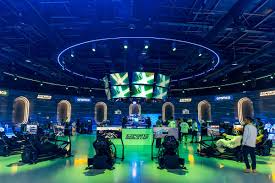
On June 20, 2026 the International Esports Federation and partner bodies unveiled the final lineup of host cities and the structural prize pools for the multi title World Esports Championships, a move that cements the tournament as a milestone event for competitive gaming. Developers and sponsors committed major funding, promising elaborate stadia, regional qualifiers, and what organizers describe as a more athlete centered approach to team logistics and player welfare. For players, fans, and cities bidding for economic impact this announcement changes planning timetables and raises expectations about how global esports will stage its next big moment.
Where the action will be staged and why those cities matter
The federation selected a geographically diverse roster of host cities that span four continents and neighbourhoods known for strong local ecosystems of players and developers. Selected locations combine large capacity arenas for finals with smaller city venues for group and regional play. The choices reflect strategic priorities: reach new audiences, leverage existing broadcast infrastructure, and ensure player travel that respects competing schedules across professional leagues and franchise systems.
Host city officials described plans for fan zones, school outreach programs, and citywide activations that aim to integrate the event into local cultural calendars rather than treating it as a closed competition. That approach matters because the economic and social returns of major esports events depend not only on ticket sales but on tourism, hospitality bookings, and local community engagement that lasts beyond the trophy presentation.
Prize pool architecture and developer sponsorship
Organizers announced a tiered prize pool structure that distributes rewards across event stages, including qualifiers, regional finals, and the global showpiece. Developers committed direct funds for title specific pools and performance bonuses tied to viewership milestones. The architecture aims to reward both elite performance and grassroots participation by reserving a portion of funds for emerging teams and for national federations to support amateur pathways.
Major publishers also sponsored production elements such as broadcast studios, in arena experiences, and player services. That level of developer sponsorship signals growing alignment between rights holders and competitive ecosystems, but it also raises questions about governance, impartiality, and how tournament rules will reconcile publisher interests with the federation s responsibilities to competitors and fans.
What this means for players and teams
For professional players the announcement clarifies travel calendars and compensation opportunities but adds pressure to perform across an extended competitive season. The structure rewards consistency by allocating meaningful shares of prize funds to teams that reach regionals and qualifiers, not only to final winners. That can stabilize incomes for mid tier teams and reduce single event variance that has historically left many competitors financially precarious.
Player welfare provisions featured in the organizers statement. Teams will have access to centralized practice facilities in host cities, standardized accommodation standards, and medical and mental health support during the event. Those commitments respond to longstanding concerns about burnout, unpredictable travel schedules, and unequal living conditions between top franchises and smaller squads.
Logistics, visas, and scheduling complexity
One practical challenge for transnational esports events is player mobility. The federation said it will work with national authorities to streamline visa processing for athletes and staff and will publish a detailed calendar to reduce scheduling clashes with major league tournaments. Organizers also promised an appeals mechanism to handle eligibility disputes and to protect players from late roster changes that can undermine competitive fairness.
Scheduling also had to account for broadcasting windows across time zones so global audiences can tune in during peak viewing hours. That balancing act affects match times, warm up routines, and the recovery cycles of players who may compete across multiple days and venues.
Broadcasting, viewership, and fan experience
Broadcasters and streaming platforms committed to a hybrid distribution model combining traditional linear partners with digital streaming services and in arena content. That approach recognizes that esports audiences consume content across multiple platforms and that premium broadcast production enhances accessibility for mainstream viewers while retaining interactive features for core fans.
Fan experience plans include on site activations, meet and greets with players, developer panels, and grassroots tournaments that feed into the official qualifiers. Organizers emphasized safety and crowd management measures, and they outlined ticketing tiers designed to be accessible to younger fans who form the backbone of esports communities.
Economic impact and city partnerships
Host cities can expect immediate boosts in hospitality and tourism revenue and longer term benefits if local esports participation grows. Organizers pledged to measure economic outcomes and to share lessons with future hosts through a legacy fund that aims to support local training facilities and youth programs. That forward looking approach tries to ensure the event does not leave venues underused after the competition concludes, a criticism often leveled at major sporting events.
City partnerships will also include workforce development initiatives with local universities and tech hubs to tap into streaming production, event management, and game design skills that an esports event can spotlight.
Governance questions and commercial tensions
The convergence of federations, developers, and commercial sponsors raises governance questions that the esports community has debated for years. Who sets competitive rules when publishers own game IP and also fund prize pools? How will the federation ensure impartial refereeing and consistent disciplinary standards across titles with different competitive cultures? Organizers said they will publish a unified code of conduct and independent adjudication processes to build trust, but stakeholders will watch implementation closely.
Commercial tensions can also surface around exclusivity clauses that restrict where streamers or talent can work during the event. Maintaining open access for independent creators while protecting broadcast rights is a delicate negotiation that affects how fans experience moments beyond live matches, such as player interviews and behind the scenes content.
Opportunities for smaller regions and grassroots growth
One noteworthy element of the announcement was a deliberate allocation of qualifier slots for under represented regions. That move increases competitive pathways for teams from smaller markets and provides international exposure that can catalyze local investment. Supporting grassroots development remains crucial if the sport is to become truly global rather than concentrated in a handful of major esports hubs.
Development grants and coaching exchanges included in the federation s plans aim to lift competitive standards and to create sustainable ecosystems that persist after the event.
What to watch next
Fans and stakeholders should watch for the release of full match schedules, ticketing windows, and the final list of participating teams. Further details on broadcasting rights and secondary content deals will clarify how audiences worldwide can access matches and behind the scenes material. Observers should also monitor the publication of the federation s code of conduct and the appointment of independent officials who will adjudicate disputes.
For teams the next steps are roster confirmation, qualifier preparation, and securing travel and accommodation logistics. For cities the priority shifts to infrastructure readiness, volunteer recruitment, and community programming that ensures the event leaves a positive legacy.
Final perspective
The World Esports Championships 2026 promises a stage worthy of competitive gaming s growth, marrying scale with a renewed focus on player welfare and regional inclusion. The final host city roster and prize pool structure reflect rising commercial maturity, yet they also surface governance and access questions that the community must resolve. If organizers can deliver a fair, engaging, and sustainable event, the championships could be a turning point for esports as a mainstream cultural and sporting phenomenon that benefits players, fans, and host cities alike.