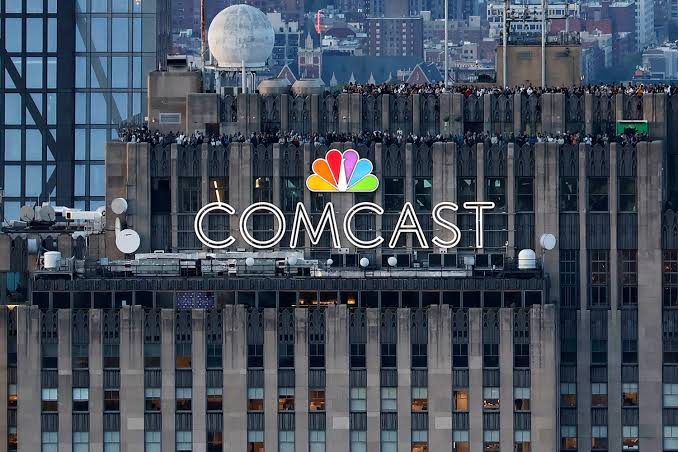
On July 6, 2026 Comcast provided the most detailed roadmap yet for the multi billion dollar spin off of NBCUniversal and Sky into a standalone public entity. The plan outlines how the media giant will untangle decades of integration, allocate assets and debt, and position the new company to compete in a global market where streaming, film studios, and international distribution are being reshaped by technology and shifting viewer habits. For employees, investors, and audiences the announcement marks the start of a complex transition that will affect everything from content budgets to how shows land on screens.
Why the spin off matters
The separation is not just a corporate reorganization. It is a strategic bet that NBCUniversal and Sky can move faster and allocate capital more effectively as an independent company. Under Comcast ownership the businesses benefited from deep pockets and cross company synergies. Yet they also faced internal trade offs between broadband, cable, and media priorities. A standalone entity can set its own investment plan, pursue partnerships without conflicts, and tailor its balance sheet to the volatility of content production and streaming. The move also responds to investor pressure for clearer valuation and governance in a sector where scale and focus are at a premium.
Core mechanics of the separation
Comcast described a multi step process that will convert its current ownership into a distribution of shares to existing shareholders followed by a independent listing. The plan includes a clear split of assets such as film and television studios, theme parks, international broadcast networks, and the Sky streaming and broadband portfolio. Debt will be allocated based on cash flow profiles and asset risk so that the new company carries a manageable load while retaining flexibility for content investment. Operational systems such as finance, human resources, and technology platforms will be carved out or duplicated to ensure the new entity can operate without relying on Comcast infrastructure.
Key elements of the transaction
- Pro rata distribution of shares to current Comcast shareholders to create an independent public company.
- Allocation of film and TV libraries, production facilities, and theme park assets to the new entity.
- Debt split that matches cash flow stability with borrowing capacity for content and technology investment.
- Transition services agreements that maintain critical operations during the carve out period.
Impact on streaming and content strategy
Streaming sits at the center of the new company s plans. Independence allows leadership to set pricing, bundling, and content greenlight strategies without balancing broadband or cable priorities. The spin off also clarifies how global rights are managed between U.S. and international markets. Sky s European footprint and NBCUniversal s U.S. streaming service can be coordinated under one strategy that targets profitable growth rather than subscriber counts at any cost. The company will likely prioritize franchises, live events, and local content that drive retention and reduce churn. The goal is to build a sustainable streaming business that can fund quality programming without relying on parent company subsidies.
What this means for employees and creators
For employees the transition brings uncertainty and opportunity. Some teams will be duplicated to support standalone functions such as finance, legal, and technology. Others may face restructuring as the new company streamlines operations. Creators and producers gain a partner with a clear mandate to invest in content that fits a focused strategy. The spin off may also open new partnership models with studios and talent that were previously constrained by corporate conflicts. The human side of the deal will play out in offices and sets around the world as teams adapt to new reporting lines and priorities.
Investor perspective and valuation
Investors have long sought greater transparency on the value of NBCUniversal and Sky within the Comcast conglomerate. The spin off provides a clean valuation based on standalone cash flows and growth prospects. It also allows investors to choose exposure to media and entertainment without the broadband and cable businesses. The success of the transaction will depend on the market s view of the new company s content pipeline, streaming profitability, and ability to manage debt. Analysts will watch early guidance on subscriber trends, advertising revenue, and capital allocation for signals of how leadership plans to navigate a competitive landscape.
Regulatory and global considerations
The separation touches multiple jurisdictions and regulatory regimes. Broadcast licenses, content quotas, and competition rules vary across markets and will require careful navigation. The plan includes compliance teams that will manage approvals and ensure that the new company meets local obligations. International operations such as Sky s European businesses add complexity but also offer diversification. The goal is to maintain service continuity for viewers while meeting regulatory standards that protect consumers and promote local content.
Risks and challenges ahead
Spin offs are inherently risky. They require duplicating systems, retaining key talent, and managing debt while maintaining performance. The media sector faces headwinds from cord cutting, advertising volatility, and high content costs. The new company must balance investment in quality programming with the need to reach profitability in streaming. Execution will be critical. Leadership must communicate a clear strategy, retain creative talent, and build partnerships that strengthen the content pipeline. The market will reward discipline and punish missteps in a sector where margins are thin and competition is fierce.
What viewers and partners should expect
For viewers the immediate impact may be limited. Existing subscriptions and broadcast services will continue during the transition. Over time the new company may adjust pricing, bundling, and content offerings to reflect its independent strategy. Partners such as advertisers, distributors, and production studios will gain a counterparty with a focused mandate and clearer decision making. The goal is to create a more agile organization that can respond quickly to market changes and viewer preferences.
For readers who want authoritative background on media industry transactions and regulatory frameworks the U.S. Securities and Exchange Commission and leading industry analysts provide detailed resources on corporate spin offs and broadcasting standards SEC and Broadcast Now.
Outlook
The July 6, 2026 announcement marks the start of a significant chapter for NBCUniversal and Sky. The spin off offers a path to greater focus, clearer valuation, and more flexible capital allocation. The work ahead will test leadership s ability to execute a complex separation while maintaining performance in a competitive market. The promise is a company that can invest in quality content, grow streaming profitably, and serve audiences across borders. The path will be demanding. The opportunity is real for a media business that can balance creativity with discipline and scale with agility.