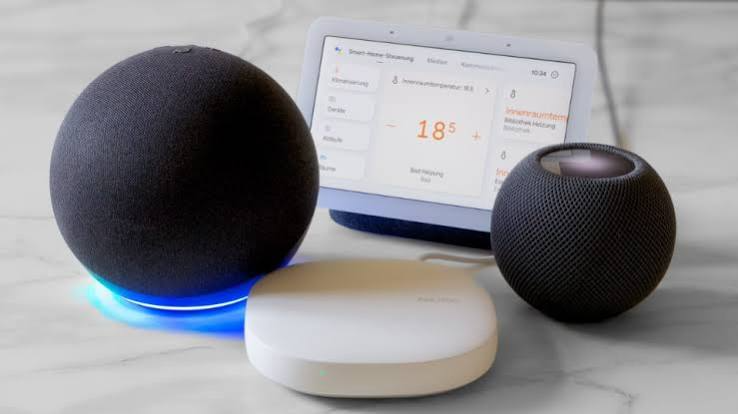
On July 6, 2026 a consortium of home automation leaders initiated the global deployment of updated Matter standard firmware, drastically reducing device latency and improving regional power grid communication for eco friendly home management. The move marks a practical step toward a smarter, more responsive home where lights, thermostats, appliances, and energy systems work together without the friction that has long frustrated users. For families who have struggled with devices that fail to connect or respond slowly, the update promises a smoother experience and a clearer path to meaningful energy savings.
Why Matter 2.0 matters to homeowners
The original Matter standard solved a critical problem by creating a common language for smart home devices. Yet early adopters still faced issues such as laggy responses, inconsistent setup experiences, and limited integration with local energy systems. Matter 2.0 addresses these gaps with firmware that cuts latency, improves reliability, and adds features that allow devices to communicate with regional power grids. The result is a home that reacts faster to commands, coordinates actions across brands, and aligns energy use with grid conditions to reduce costs and environmental impact.
Key technical improvements
The update introduces a more efficient networking stack that reduces the time it takes for commands to travel between devices and hubs. It also includes better handling of local traffic so that routine actions do not depend on cloud services that can slow down or fail. A major addition is support for grid interactive functions that allow thermostats, water heaters, and EV chargers to adjust usage based on signals from utilities. This enables time of use optimization, demand response participation, and smoother integration of rooftop solar and home batteries. The goal is to make the smart home not just convenient but also a partner in managing energy.
Features that users will notice
- Faster response times for lights, locks, and climate controls with less lag between command and action.
- More reliable setup and onboarding that reduces the need for troubleshooting during installation.
- Grid aware scheduling that shifts energy use to lower cost periods without sacrificing comfort.
- Improved interoperability that allows devices from different brands to work together seamlessly.
Energy savings and grid interaction
For many households the most tangible benefit of Matter 2.0 will be lower energy bills. The standard enables devices to receive price signals from utilities and adjust usage accordingly. A thermostat can pre cool a home before a peak pricing window. A water heater can heat water during off peak hours. An EV charger can delay charging until rates drop. These actions add up to meaningful savings over time. At the grid level, coordinated demand response can reduce strain during hot afternoons and support the integration of renewable energy. The smart home becomes a flexible resource that helps balance supply and demand.
What the rollout looks like
The deployment is happening in phases as device manufacturers release firmware updates for compatible products. Many hubs and border routers will update automatically, while some devices may require a manual trigger through a companion app. Utilities and regional grid operators are also updating their systems to support the new grid interactive features. The consortium behind Matter is coordinating with regulators and standards bodies to ensure that updates meet safety and performance requirements. The aim is a smooth transition that minimizes disruption for users while delivering immediate benefits.
Consumer experience and trust
Trust is essential for smart home adoption. Past experiences with devices that failed to connect or leaked data have made some consumers cautious. Matter 2.0 includes stronger security features such as improved encryption and attestation that verify device identity before allowing network access. The standard also emphasizes local control so that routine functions work even if internet connectivity is lost. These measures aim to build confidence that the smart home is both reliable and secure. The goal is to make automation feel like a quiet helper rather than a source of friction.
Challenges and considerations
The rollout is not without hurdles. Older devices may not support the new firmware and will need replacement or will operate with limited functionality. Utilities must invest in systems that can send and receive grid signals securely. Consumers need clear information on how to enable grid interactive features and what savings they can expect. The consortium is working with retailers and installers to provide guidance and support. Success will depend on coordination across the ecosystem and clear communication with users.
What homeowners should do now
Homeowners who want to benefit from Matter 2.0 should start by checking which devices are eligible for updates and ensuring that hubs and routers are running the latest firmware. They should review utility programs that offer time of use rates or demand response incentives and configure devices to take advantage of these options. It is also wise to audit the home network for security and to use strong passwords and two factor authentication for smart home apps. The goal is to set up a system that is fast, reliable, and aligned with energy savings goals.
For readers who want authoritative background on smart home standards and grid interactive programs the Connectivity Standards Alliance and leading energy agencies provide detailed resources on Matter specifications and demand response initiatives Connectivity Standards Alliance and Energy Star.
Outlook
The July 6, 2026 rollout marks a significant step toward a smarter, more efficient home. Matter 2.0 offers a path to faster responses, better interoperability, and meaningful energy savings through grid interaction. The work ahead will focus on device updates, utility integration, and user education. The promise is a smart home that works quietly in the background to improve comfort and reduce costs. The path will be demanding. The opportunity is real for households that can harness the new standard to create a more responsive and sustainable living environment.