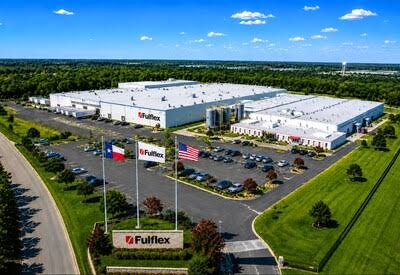
Fulflex has completed the acquisition of a 300,000 square foot medical manufacturing facility in Texas, a move that signals both confidence in healthcare supply chains and a larger bet on automated production. The purchase gives the company a major new industrial footprint at a time when hospitals, distributors, and manufacturers are still looking for steadier, more resilient sources of medical products.
Why the deal matters
This acquisition is significant not just because of its size, but because of what the facility represents. A fully automated medical product plant can support higher output, more consistent quality, and tighter control over production timing. For Fulflex, the site offers a platform to scale global healthcare supplies while reducing bottlenecks that can slow delivery when demand spikes or shipping networks tighten.
In practical terms, the Texas facility gives the company more room to move. Large scale manufacturing sites are not simply warehouses with machines. They are ecosystems of production lines, quality checks, packaging operations, inventory systems, and technical staff. When a manufacturer takes over a site of this scale, it often indicates a plan to grow product volume, improve fulfillment speed, or reposition itself more aggressively in healthcare supply markets.
A bet on automation and reliability
The fact that the plant is fully automated is especially important. Automation can reduce variation from batch to batch, improve traceability, and support around the clock operations with fewer interruptions. In sectors such as medical products, where reliability and regulatory compliance are essential, that consistency matters as much as raw output. Buyers want supplies they can trust, and healthcare systems want suppliers that can keep pace with demand without sacrificing quality.
We are also seeing a broader manufacturing trend here. Companies across the healthcare supply chain have been investing in automation to manage labor pressure, improve efficiency, and strengthen resilience after years of disruption. Fulflex’s purchase appears to fit that pattern. It suggests a strategy built around more controlled production, shorter response times, and a stronger base for serving international customers.
What a facility like this can support
- Higher production capacity for core medical products.
- Improved consistency through machine led manufacturing controls.
- Faster packaging and distribution for global supply chains.
- Better adaptability when demand rises unexpectedly.
Texas as an industrial base
Texas remains one of the most attractive states for large industrial and medical manufacturing assets because of its logistics network, labor pool, and business climate. A facility of this size can connect more easily to domestic shipping lanes, airport freight routes, and regional distribution hubs. That geographic advantage can be crucial for a healthcare manufacturer trying to reach customers quickly in the United States and abroad.
The state also has a strong reputation for industrial expansion, which makes it a logical location for a company looking to scale. For medical manufacturers, that matters because supply reliability is often shaped as much by logistics as by production itself. A well located facility can shorten lead times, reduce transportation risk, and make it easier to respond to urgent orders.
What the acquisition may signal for healthcare supply chains
The healthcare supply chain has become more sensitive to disruptions, whether from labor shortages, raw material delays, or sudden shifts in demand. A fully automated plant can help a company move around some of those problems by making production more predictable and less dependent on manual throughput. That predictability is valuable for hospitals, clinics, and distributors that need dependable access to medical supplies.
For end users, the effect may be indirect but meaningful. When a manufacturer expands capacity, buyers may benefit from better availability, fewer shortages, and steadier pricing over time. In a sector where delays can affect patient care, even small improvements in supply reliability can carry real consequences.
Financial and operational implications
Buying a facility of this scale is a serious capital decision. It typically suggests that the buyer sees long term value in the site itself and in the production platform it already contains. If Fulflex can integrate the facility efficiently, the company may be able to bring more products to market without having to build a new plant from scratch. That can save time, preserve working capital, and reduce execution risk.
At the same time, large manufacturing acquisitions carry operational challenges. The company will need to manage workforce integration, compliance systems, maintenance schedules, and supply inputs with care. Automation can make a site more efficient, but it also raises the bar for technical oversight. The real test will be how quickly Fulflex can stabilize and optimize the facility after closing.
Why healthcare buyers should care
Although this is a corporate transaction, the ripple effects may reach much further. Healthcare buyers care about manufacturing decisions because they influence product availability, lead times, and the resilience of supplier relationships. When a manufacturer gains a larger automated base, it can often support more stable contracts and better inventory planning for institutional customers.
That matters most in categories where consistent supply is non negotiable. Medical product buyers do not want to wonder whether a shipment will arrive on time or whether quality will vary between batches. A facility built for automation and scale can help reduce those concerns, especially if it is managed with strong quality systems and clear oversight.
What comes next
The key question now is how Fulflex uses the asset. An acquisition of this size can become a growth engine if the company fills the facility with demand, keeps operations smooth, and uses the site to strengthen customer relationships. It can also become a burden if integration is slow or if production is not aligned with market needs. The difference will come down to execution.
For now, the deal is a clear signal that Fulflex sees long term opportunity in medical manufacturing capacity. In a market that still values resilience, speed, and reliable supply, a 300,000 square foot automated facility in Texas may prove to be more than a real estate purchase. It may become a strategic anchor for the company’s next phase of growth.
Readers interested in the wider manufacturing and healthcare supply chain backdrop can consult the McKinsey and Company healthcare supply chain analysis and the Medical Product Outsourcing industry coverage for more context on automation, capacity expansion, and medical manufacturing trends.