
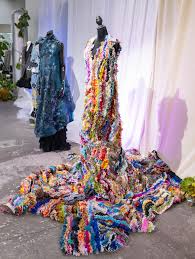
Major apparel networks are spotlighting a new generation of climate conscious wool manufacturing breakthroughs from North America and Europe, a shift that is redirecting luxury eco fashion trends and reshaping how the global industry defines premium materials.
Why wool is having a sustainability moment
Wool has long been valued for its warmth, durability, and natural performance, but its environmental footprint has drawn scrutiny as brands face pressure to reduce carbon emissions and water use. The latest wave of innovation addresses those concerns directly. Producers in regions such as the United States, Canada, the United Kingdom, and Scandinavia have deployed advanced breeding, regenerative grazing, and low impact processing techniques that cut emissions, conserve water, and improve soil health. The result is a material that meets luxury standards while aligning with climate goals that consumers and regulators increasingly demand.
From pasture to premium fabric
The transformation begins on the farm. Regenerative grazing practices rotate livestock to restore plant cover, sequester carbon in soil, and reduce erosion. Selective breeding programs focus on sheep that produce finer, stronger fibers with less feed and water. Shearing methods have been refined to minimise stress and injury, while traceability systems track each bale from farm to mill. At the processing stage, closed loop water systems and bio based scouring agents reduce chemical discharge and energy consumption. These changes add up to a supply chain that is measurably cleaner and more resilient.
Technology that makes wool smarter
High tech treatments are extending wool’s performance profile without compromising its natural qualities. Nano finishing techniques enhance water resistance and stain repellency, while enzyme based processes soften fibers and reduce pilling. Some manufacturers integrate phase change materials that regulate temperature, creating garments that adapt to body heat and ambient conditions. Digital dyeing methods use less water and produce more consistent colour with fewer runs. The combination of biology and engineering yields fabrics that compete with synthetic performance materials while retaining wool’s biodegradability and comfort.
Traceability is another critical innovation. Blockchain enabled platforms and digital product passports allow brands and consumers to verify the origin of wool, confirm animal welfare standards, and assess environmental impact. This transparency builds trust and gives luxury buyers confidence that their purchases reflect genuine sustainability rather than marketing claims.
How luxury brands are responding
Luxury fashion houses and premium apparel networks are integrating sustainable wool into core collections rather than treating it as a niche offering. Designers cite the material’s versatility, from tailored suits to technical outerwear, and its ability to convey quality without relying on exotic or synthetic alternatives. Several major brands have announced commitments to source certified regenerative wool for a significant share of their knitwear and suiting lines by 2027. The shift is visible in runway presentations, capsule collections, and flagship store displays that highlight the provenance and performance of new wool fabrics.
Consumer demand and the emotional pull of natural fibers
Shoppers are driving the change. Surveys show that a growing segment of consumers prioritise materials that are natural, durable, and ethically produced. Wool resonates because it feels substantial, ages gracefully, and connects wearers to a tangible supply chain. People describe the comfort of a well made wool sweater, the confidence of a tailored wool suit, and the satisfaction of knowing that their purchase supports regenerative agriculture. That emotional connection strengthens brand loyalty and justifies premium pricing in a competitive market.
Standards and certifications that matter
As sustainable wool gains traction, credible standards help separate genuine progress from greenwashing. Certifications such as the Responsible Wool Standard and the Global Organic Textile Standard set requirements for animal welfare, land management, and processing practices. Third party audits and public reporting create accountability and give buyers reliable information for decision making. Brands that invest in certified supply chains and disclose their sourcing practices are better positioned to maintain trust as scrutiny intensifies.
Challenges and the path forward
Scaling sustainable wool is not without obstacles. Regenerative practices require time and investment before yields and soil health improve. Processing innovations demand capital expenditure and operator training. Traceability systems must integrate across fragmented supply chains that span multiple countries and intermediaries. Yet the momentum is clear. Early adopters report lower long term costs, improved brand reputation, and stronger relationships with retailers and consumers who value transparency.
Collaboration will accelerate progress. Industry consortia, research institutions, and government programs are funding pilot projects that test new breeding techniques, share best practices for grazing management, and develop standards for low impact processing. These partnerships reduce risk for individual producers and create a shared knowledge base that benefits the entire sector.
What this shift means for fashion and climate
The broader implication is a reorientation of luxury fashion toward materials that deliver performance and prestige without compromising environmental integrity. Sustainable wool demonstrates that natural fibers can meet modern expectations when backed by science, stewardship, and supply chain discipline. As climate pressures mount and regulations tighten, the industry will need more materials that follow this model. Wool’s resurgence offers a template for other sectors to align premium quality with planetary boundaries.
How to evaluate sustainable wool as a buyer
Consumers and procurement teams can take practical steps to identify credible sustainable wool. Look for certifications that cover animal welfare and land management, ask brands about traceability and processing methods, and consider durability and care requirements that affect long term environmental impact. Garments that combine certified wool with responsible dyeing and finishing processes represent the strongest option for buyers who want both quality and climate alignment.
Where to learn more
For detailed information on sustainable fiber standards and textile certifications visit the Global Organic Textile Standard and for industry wide climate and materials analysis consult the Textile Exchange. Both sources provide actionable guidance for brands, buyers, and consumers navigating the evolving landscape of eco conscious fashion.

