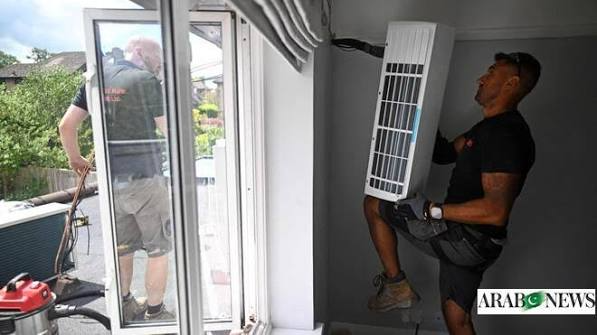
Record breaking heatwaves across continents have turned smart air conditioning from a household convenience into a cornerstone of urban planning, as cities and homeowners alike race to deploy AI enabled ventilation and eco friendly cooling systems that can withstand sustained extreme temperatures.
From appliance to infrastructure
What began as a consumer upgrade trend has matured into a public policy priority. Municipal authorities in heat prone regions are now integrating smart cooling networks into building codes, energy grids, and emergency response plans. The shift reflects a sober recognition that intermittent heat events have become seasonal norms and that reliable cooling is as essential as water supply or sewage systems. In this new reality, smart AC units are no longer standalone gadgets but nodes in a connected infrastructure that balances comfort, energy efficiency, and grid stability.
Why heatwaves changed the calculus
The catalyst was the intensity and duration of recent summer heat. Multiple regions reported temperatures that exceeded historical averages by significant margins for weeks at a time. Power grids strained under peak demand, hospitals saw spikes in heat related illnesses, and productivity losses mounted as outdoor work hours shrank. The human cost was visible in exhausted families, sleepless nights, and the anxiety of watching electricity bills climb while still struggling to stay cool. That pressure forced a reevaluation of how cities provide and manage cooling capacity.
The technology that made it possible
Smart AC systems pair sensors, machine learning, and connectivity to optimise cooling in real time. These units learn occupancy patterns, adjust output based on weather forecasts, and coordinate with other devices to avoid simultaneous peak loads that stress the grid. Many models integrate with home energy management systems that shift usage to off peak hours or draw from rooftop solar when available. The result is lower energy consumption per unit of cooling delivered and a more resilient distribution of demand across neighborhoods.
Portable AI enabled units have also gained traction because they can be deployed quickly in rental housing, temporary shelters, and older buildings that lack central systems. These devices use algorithms to target cooling where it is needed most, reduce waste by avoiding empty rooms, and provide data that helps utilities anticipate demand spikes. The combination of fixed and portable smart systems creates a layered approach that can scale with the severity of heat events.
How cities are weaving cooling into planning
Urban planners are treating cooling capacity as a measurable service similar to water or transit. Some cities now require new residential developments to include smart cooling infrastructure as part of sustainability certifications. Others offer incentives for retrofitting older buildings with energy efficient units that can participate in demand response programs. Zoning rules are being updated to encourage green roofs, shaded walkways, and cool pavements that reduce ambient temperatures and lower the load on mechanical systems. The goal is to create a built environment that resists heat rather than merely reacting to it.
What homeowners are doing right now
For individual households the decision to upgrade is both practical and financial. Families report that smart thermostats and connected AC units have reduced their energy bills while maintaining more consistent indoor temperatures. The ability to control systems remotely means that people can pre cool homes before returning from work or adjust settings during the day to avoid wasting energy on empty rooms. Many also value the peace of mind that comes from alerts about maintenance needs or unusual energy usage that could signal a malfunction.
The emotional dimension matters. People describe the relief of walking into a cool home after a sweltering day, the improved sleep that comes from stable overnight temperatures, and the confidence that vulnerable family members such as children or elderly relatives are protected from heat stress. Those experiences have turned cooling upgrades into a priority comparable to home security or internet connectivity.
Policies and incentives shaping adoption
Government programs are accelerating the transition. Rebates for high efficiency units, tax credits for solar integrated systems, and low interest loans for retrofits have made upgrades more accessible to middle income households. Some utilities offer time of use pricing that rewards customers who shift cooling demand to off peak hours, while others provide direct incentives for enrolling smart devices in demand response networks. These policies lower the upfront cost and create financial benefits that accrue over the life of the equipment.
Environmental considerations and the path to net zero
The environmental impact of widespread AC adoption depends on how the electricity is generated and how efficiently the systems operate. Smart cooling reduces waste by matching output to need and by coordinating across devices to smooth demand peaks. When paired with renewable energy sources such as rooftop solar or community microgrids, the carbon footprint of cooling can be significantly reduced. Cities that invest in grid modernisation and renewable capacity are better positioned to meet rising cooling demand without compromising climate goals.
There is also a growing emphasis on refrigerants with lower global warming potential and on design standards that prioritise passive cooling alongside mechanical systems. The most resilient approaches combine smart technology with building orientation, insulation, and shading to minimise the total energy required for comfort.
Equity and access in a heating world
As cooling becomes essential, ensuring equitable access is a policy imperative. Low income households often live in older buildings with poor insulation and outdated systems that are expensive to run and prone to failure. Without targeted support, these families face higher bills and greater health risks during heatwaves. Programs that prioritise retrofits for vulnerable communities, provide subsidies for efficient units, and offer maintenance assistance help close the gap between those who can afford upgrades and those who cannot.
What to look for when upgrading
Homeowners evaluating options should consider several factors beyond price. Energy efficiency ratings, compatibility with existing home systems, and the ability to participate in utility demand response programs are key criteria. Devices that offer remote control, learning algorithms, and integration with solar or battery storage provide long term value. For renters, portable smart units with strong energy performance and quiet operation can deliver immediate relief without requiring permanent installation.
The role of data and standards
Reliable data underpins effective policy and consumer choice. Standardised performance metrics, transparent energy usage reporting, and interoperable communication protocols allow cities to aggregate data from thousands of devices and optimise grid operations. They also enable consumers to compare products on a like for like basis and understand the real world savings they can expect. Organisations such as the International Energy Agency provide analysis and guidance on efficient cooling technologies and policy frameworks that support sustainable deployment.
Looking ahead
The integration of smart AC into urban infrastructure is still in its early stages. As heatwaves become more frequent and intense, the demand for reliable, efficient cooling will continue to grow. Cities that act now to embed cooling into planning, incentivise upgrades, and modernise energy systems will be better equipped to protect residents and maintain economic productivity. For homeowners, the moment to invest in smart cooling is not a luxury decision but a practical step toward resilience in a warming climate.
For technical guidance on efficient cooling technologies and policy frameworks consult resources from the International Energy Agency and for consumer information on energy efficient appliances visit Energy Star. Both sources provide actionable data that can inform decisions at the household and municipal levels.