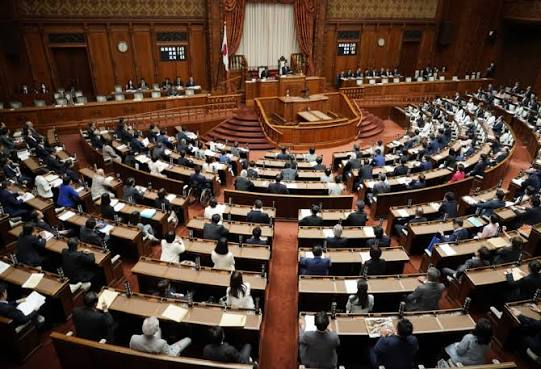
On July 13, 2026 Japan took a decisive step to protect the integrity of its elections by enacting sweeping regulations that govern social media algorithms and deepfakes during political campaigns. The new law, passed by parliament after months of debate, sets clear boundaries for how platforms can amplify political content and imposes strict penalties for the creation and distribution of synthetic media designed to mislead voters. The move places Japan among a small group of nations that have chosen to regulate digital campaign tools directly rather than rely on voluntary industry codes.
What the new rules require
The legislation targets two areas that have become flashpoints in modern elections. First, it requires social media companies to disclose how their recommendation algorithms rank and promote political advertisements and campaign posts during election periods. Platforms must provide auditable logs and allow independent researchers to review whether content is being amplified in ways that favor specific parties or candidates. Second, the law bans the use of deepfakes and other manipulated media that depict candidates saying or doing things they did not say or do. Any such content must carry a clear label and platforms must remove unlabelled synthetic posts within hours of notification.
Compliance is not optional. The law establishes a dedicated election integrity unit within the Ministry of Internal Affairs and Communications with the power to issue fines and suspend accounts that violate the rules. Repeat offenders face heightened penalties and potential criminal charges. The framework also includes a rapid response mechanism for parties and candidates to report violations and request takedowns during the sensitive final days of a campaign.
Key provisions at a glance
- Mandatory transparency reports from social media platforms on how political content is ranked and promoted during election windows
- Prohibition on unlabelled deepfakes and synthetic media depicting candidates with criminal penalties for willful violations
- Fast track takedown process for flagged content with strict timelines for platform response
- Independent audit rights for researchers and regulators to review algorithmic amplification of campaign material
Why Japan moved now
The decision reflects growing concern that digital tools have outpaced existing safeguards. In recent years, campaigns in several countries have been disrupted by viral misinformation and manipulated videos that spread faster than fact checks could keep up. Japanese lawmakers studied those cases and concluded that waiting for self regulation would leave voters exposed. The new rules aim to restore trust by ensuring that the information environment during elections is fair and transparent.
Public sentiment supported action. Surveys showed that a majority of voters worry about the influence of social media on political outcomes and want stronger protections against deceptive content. The law responds to that concern by placing responsibility on platforms to police their own systems and by giving regulators the tools to enforce compliance.
How the rules will work in practice
During an election period, platforms must flag political content and apply special handling to ensure that algorithmic recommendations do not create hidden advantages. That means reducing the opacity of news feeds and ad placements that can steer attention toward certain messages without clear justification. It also means that when a deepfake appears, the system must act quickly to label or remove it before it reaches millions of users.
Candidates and parties gain new rights under the law. They can request expedited review of content they believe violates the rules and can appeal decisions to an independent tribunal if they feel the process is unfair. The goal is to balance free expression with the need to prevent manipulation that could distort the electoral contest.
Reactions from platforms and civil society
Major social media companies operating in Japan have pledged to comply but have also raised concerns about the technical feasibility of some requirements. They argue that algorithmic transparency could expose proprietary systems and that deepfake detection is not yet perfect. The government response has been firm. Officials say that the rules are necessary to protect democracy and that platforms must invest in the tools and processes needed to meet the standards.
Civil society groups generally welcomed the law while calling for strong oversight to ensure it is applied consistently. They stress that the rules must not be used to suppress legitimate criticism or to target opposition voices. The independent audit provisions are designed to address that risk by allowing outside experts to verify that enforcement is fair and evidence based.
What this means for voters and campaigns
For voters, the new framework promises a cleaner information environment during elections. The hope is that fewer manipulated videos will go viral and that the content people see in their feeds will be less likely to be the product of hidden amplification. For campaigns, the rules create both constraints and opportunities. Candidates must adapt their digital strategies to comply with disclosure requirements and avoid the temptation to use deceptive tactics. At the same time, they can rely on faster takedowns of harmful content that targets them.
The law also raises the bar for political advertising. Advertisers must provide clear labels and substantiation for claims, and platforms must ensure that targeting practices do not exploit vulnerabilities in specific demographic groups. The aim is to make political messaging more honest and less manipulative.
Global context and what to watch next
Japan move joins similar efforts in other democracies that are grappling with the same challenges. The European Union has advanced rules on political advertising and platform accountability, and several countries have introduced bans on deepfakes in elections. The difference in Japan approach is the combination of algorithmic transparency and rapid takedown powers in a single package that applies specifically during election windows.
The test will come in the next national election when the rules face their first real world stress. Observers will watch for how quickly platforms respond to violations, whether the audit process reveals hidden biases, and how voters perceive the change in the quality of online political discourse. Success will be measured not only by the number of takedowns but by the degree to which the public feels more confident in the information they receive.
Resources for staying informed
Voters and campaigners who want to understand the new rules can consult official guidance from the Ministry of Internal Affairs and Communications and follow updates from independent watchdogs that monitor election integrity. For broader context on global efforts to regulate digital political content, the Reuters technology and politics sections provide timely coverage of policy developments around the world.
A final word on the stakes
The passage of this law reflects a belief that democracy requires guardrails in the digital age. Social media has become a primary source of political information for many citizens and the tools that shape that information carry real power. By setting clear rules for algorithms and deepfakes, Japan aims to ensure that elections are decided by ideas and records rather than by manipulation and deception. The path ahead will require vigilance and adjustment, but the intent is clear. Protect the vote by protecting the information that informs it.