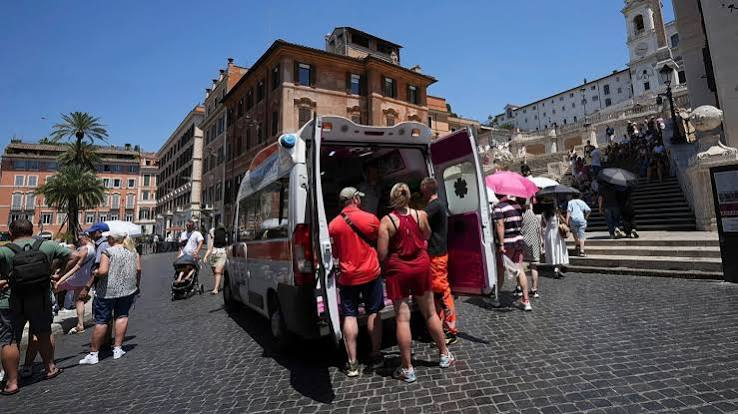
Health authorities in England and Southern Europe have confirmed what many feared as the summer sun baked cities and strained hospitals. A critical report released on July 13, 2026 attributes more than 2,700 deaths directly to the record breaking heatwaves that have swept across the continent in recent weeks. The numbers are not only statistics. They are mothers, fathers, grandparents, and neighbors who succumbed to heat stress, dehydration, and complications from underlying conditions as temperatures climbed to dangerous levels.
The human toll behind the numbers
Behind each figure is a story of a family gathering in a dim living room with windows shut against the glare, of an elderly man who stopped taking his diuretic because he feared dehydration, of a delivery rider who pushed through a shift despite dizziness. In London, paramedics described a surge in calls for fainting, confusion, and breathing difficulties during peak afternoon hours. In Athens and Rome, emergency rooms overflowed with patients suffering from heat exhaustion and acute kidney injury. The strain on health systems was visible in crowded waiting areas and in the tired faces of nurses who worked double shifts to keep up with demand.
The report emphasizes that the majority of victims were older adults with chronic illnesses, yet it also notes a concerning rise in heat related deaths among outdoor workers and people without access to cooling. The pattern underscores a harsh reality. Extreme heat does not discriminate by income, but it punishes those with fewer resources and less protection more severely.
Who is most at risk
- Adults over 65 with heart, lung, or kidney conditions
- People taking medications that affect hydration or temperature regulation
- Outdoor workers including construction crews, delivery riders, and agricultural laborers
- Individuals living in top floor apartments without air conditioning or adequate ventilation
How the heat became deadly
Heatwaves kill through multiple pathways. Prolonged exposure to high temperatures raises core body temperature and strains the cardiovascular system. Dehydration reduces blood volume and makes it harder for the heart to pump efficiently. For people with existing conditions, the added stress can trigger heart attacks, strokes, or respiratory failure. The danger is compounded when nights remain warm and the body cannot cool down, leading to cumulative fatigue and organ stress over several days.
The 2026 event was notable for its intensity and duration. Meteorological records show stretches of days where maximum temperatures exceeded 40 degrees Celsius across large parts of Southern Europe and remained above 35 degrees Celsius for extended periods in England. Nighttime lows stayed unusually high, preventing recovery and pushing vulnerable individuals past their limits. Urban areas faced an additional challenge as concrete and asphalt trapped heat, creating microclimates that were several degrees hotter than surrounding countryside.
What the report says and why it matters
The joint assessment by health agencies in England and Southern Europe draws on mortality data, hospital admissions, and emergency call logs to establish a clear link between the heatwave and the spike in deaths. It identifies specific time windows when mortality rates surged and correlates those periods with peak temperature readings. The authors caution that the figure of 2,700 is likely a conservative estimate because some heat related deaths may be misclassified or occur days after exposure.
Beyond the death toll, the report highlights the broader health burden. Thousands required hospitalization for heat stroke, severe dehydration, and acute kidney injury. Many more were treated in outpatient settings for heat exhaustion and syncope. The economic cost includes lost productivity, increased healthcare utilization, and the strain on emergency services. The social cost is harder to measure but no less real. Grief, anxiety, and a sense of vulnerability linger long after the temperatures fall.
Lessons from the front lines
Healthcare workers on the ground describe a system stretched to its limits. In several cities, hospitals activated heat emergency protocols, opened cooling centers, and deployed mobile medical teams to check on isolated residents. Community organizations distributed water and electrolyte solutions and offered transportation to cooling shelters. Yet gaps remained. Some elderly residents did not answer doors or phones. Some outdoor workers felt pressure to complete shifts despite unsafe conditions. The report calls for more coordinated action and clearer guidance to protect those at highest risk.
Public communication played a critical role. Clear messaging about hydration, rest breaks, and recognizing symptoms of heat illness saved lives. Yet the report notes that warnings must start earlier and reach more people, especially in languages and formats that communities trust and use. Social media, local radio, and neighborhood networks can all help spread life saving information when time is short.
Actionable steps for individuals and communities
- Hydrate frequently with water or oral rehydration solutions and avoid excessive alcohol or sugary drinks
- Limit outdoor activity during peak heat hours and take regular breaks in shaded or air conditioned spaces
- Check on neighbors, especially older adults and those living alone, and help them access cooling resources
- Recognize warning signs of heat illness such as confusion, fainting, rapid pulse, and hot dry skin and seek medical help immediately
Policy responses and the road ahead
The report urges governments to treat extreme heat as a public health emergency rather than a seasonal inconvenience. Recommendations include expanding access to cooling centers, improving building codes to enhance insulation and ventilation, and mandating heat safety protocols for outdoor workers. It also calls for better integration of health data with meteorological forecasts to trigger early warnings and targeted interventions before conditions become deadly.
Urban planning must evolve to reduce the urban heat island effect. Planting trees, installing reflective roofs, and increasing green spaces can lower ambient temperatures and provide shade. Investment in resilient infrastructure, including reliable electricity for cooling and water supply, is essential to protect communities during future events.
What this means for the rest of the summer
Forecasters warn that additional heat pulses are possible as the season progresses. The report serves as both an accounting of lives lost and a blueprint for prevention. The goal is not only to survive the current crisis but to build systems that reduce risk in the years ahead. That requires political will, public awareness, and community action. It requires treating heat as a hazard that can be managed with preparation and care.
For now, families mourn and hospitals recover. The numbers in the report are a stark reminder that extreme heat is not abstract. It is a threat that touches every neighborhood and every household. The response must be proportionate to the risk and grounded in the simple truth that every life lost was preventable with the right measures in place.
Resources and further reading
Those seeking detailed guidance on heat safety and health advice can consult official resources from national health agencies and the World Health Organization. For meteorological context and forecasts, the UK Met Office provides up to date information on heatwave alerts and regional outlooks.