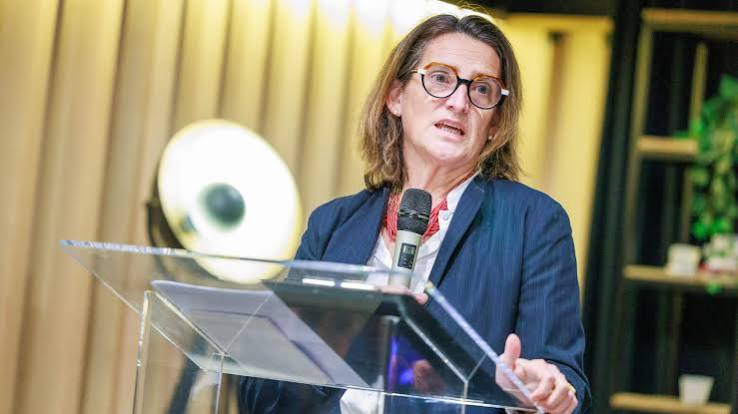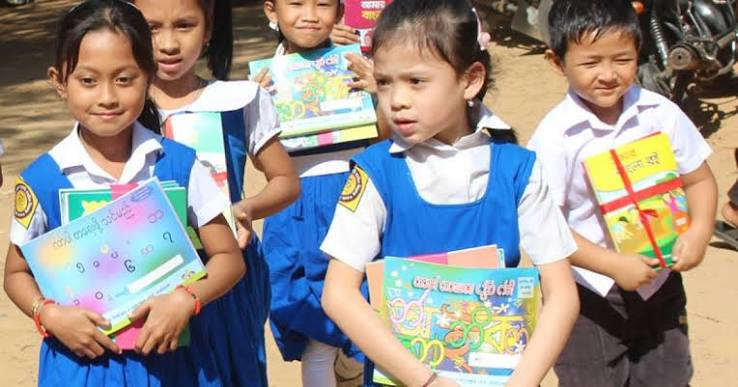
On July 14, 2026 Education Minister Dr. A N M Ehsanul Hoque Milon announced a sweeping expansion of mother tongue based education for indigenous communities across Bangladesh. The policy shift commits the government to deliver textbooks and localized teacher training in multiple indigenous languages, including Chakma and Garo, and marks a decisive move to bring instruction closer to the home languages of thousands of children in the Chittagong Hill Tracts and northern districts.
What the new policy delivers
The plan centers on two pillars. First, the Ministry of Education will produce and distribute curricula aligned with national standards but written in indigenous languages for early grades. Children will learn to read and write in their home language while gradually transitioning to Bangla in later years. Second, the government will roll out localized teacher training programs that prepare educators to teach in these languages and to use culturally relevant materials in the classroom. The goal is to reduce dropout rates, improve learning outcomes, and preserve linguistic heritage.
Implementation will begin with pilot districts where Chakma, Garo, and other indigenous languages are widely spoken. Textbook development will involve community elders, linguists, and curriculum experts to ensure accuracy and cultural fit. Teacher training will include modules on bilingual pedagogy, assessment methods, and classroom management in multilingual settings. The ministry expects to scale the program to additional languages and regions as capacity grows.
Key components of the expansion
- Mother tongue based textbooks for early grades in Chakma, Garo, and other indigenous languages
- Localized teacher training that equips educators to teach in indigenous languages and manage bilingual classrooms
- Community involvement in curriculum design to ensure cultural relevance and linguistic accuracy
- Phased rollout starting with pilot districts before expanding to additional regions and languages
Why this matters for families and communities
Language is more than a medium of instruction. It is a bridge between home and school, between tradition and the future. For many indigenous children, the first day of class has meant stepping into a room where the teacher speaks a language they barely understand. The result is confusion, disengagement, and early dropout. Teaching in the mother tongue changes that dynamic. It allows children to grasp concepts quickly, build confidence, and develop a strong foundation before adding a second language.
Parents in the Chittagong Hill Tracts have long advocated for this change. They want their children to succeed in national exams without losing the ability to speak their ancestral language. The new policy responds to that demand by aligning instruction with the way children learn best. It also signals respect for indigenous identity and a commitment to inclusive education that leaves no community behind.
The path to implementation
Turning policy into practice requires careful planning. Textbook development must account for dialectal variations and ensure that materials are available in sufficient quantities. Teacher training must reach remote schools and provideongoing support as educators adapt to new methods. The ministry will need to coordinate with local authorities, NGOs, and community organizations to monitor progress and address challenges as they arise.
Assessment will be critical. The government must track learning outcomes, attendance, and transition rates to Bangla instruction to confirm that the approach is working. Data will guide adjustments to curriculum pacing, teacher support, and resource allocation. Transparency in reporting will build trust and allow communities to hold officials accountable for results.
Challenges and opportunities ahead
No major reform is without obstacles. Securing funding for textbook printing and teacher training at scale will require sustained budget commitments. Recruiting and retaining qualified teachers in remote areas remains a persistent challenge. Some parents worry that focusing on indigenous languages may limit their children ability to compete in national exams or access higher education. The ministry must address these concerns by demonstrating that bilingual education strengthens, rather than weakens, academic performance.
The opportunity is significant. Research shows that children who learn in their mother tongue in early grades perform better across subjects and are more likely to stay in school. The policy also opens doors for indigenous scholars to contribute to curriculum development and for local publishing to grow. It can strengthen cultural pride and reduce the sense of marginalization that has fueled tension in some regions.
What this means for the broader education landscape
Bangladesh move aligns with global best practices in multilingual education. Countries that have embraced mother tongue instruction report higher literacy rates and better learning outcomes for minority communities. The policy also reflects a broader push to make education more inclusive and responsive to the needs of diverse populations. It sets a precedent for other nations in the region that are grappling with similar questions of language, identity, and access.
For Bangladesh, the expansion is a test of administrative capacity and political will. Success will depend on consistent funding, strong oversight, and genuine partnership with indigenous communities. If executed well, it can become a model for how to balance national cohesion with cultural diversity in the classroom.
Resources for further learning
Those interested in the global context of mother tongue education can explore research and policy guidance from international organizations focused on language and learning. For up to date coverage of education policy in South Asia, the UNESCO education section provides reports and case studies on multilingual instruction and indigenous language preservation.
A final word on the stakes
Education is the foundation of opportunity. When children can learn in a language they understand, they are more likely to stay in school, excel in their studies, and contribute to their communities. The July 14 announcement is a promise to indigenous families that their voices matter and that their children deserve a fair chance. The work now begins to turn that promise into reality. Textbooks must be written, teachers must be trained, and classrooms must become places where every child feels seen and heard. The path is clear. The task is to walk it with care and commitment.