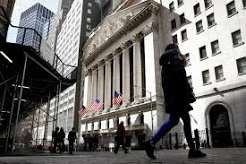
Wall Street exhaled on July 14, 2026. Global stock markets edged higher after U.S. consumer prices rose by a less than feared 3.5 percent in the latest reading, a figure that signaled easing pressure on household budgets and offered the Federal Reserve more room to assess its next move. The cooler inflation print lowered the projected odds of an upcoming Fed interest rate hike to under 17 percent, according to market implied probabilities, and sparked a risk on mood that lifted equities from New York to Tokyo.
What the inflation data showed
The headline number told only part of the story. Beneath the surface, core measures that strip out volatile food and energy prices also moderated, pointing to a broad based slowdown in price growth. Shelter costs, which have been a stubborn driver of inflation for months, showed signs of cooling as rental markets tightened and new lease data began to feed into official statistics. Goods prices remained subdued as supply chains held firm and discounting persisted in several retail categories.
For investors, the message was clear. The path to the Fed 2 percent target looks more achievable without the need for additional aggressive tightening. That shift in expectations sent bond yields lower and helped growth stocks, which are sensitive to borrowing costs, outperform. The S&P 500 and Nasdaq climbed as traders priced in a higher likelihood that the central bank would hold rates steady at its next meeting and potentially begin to discuss a pivot later in the year if data continue to cooperate.
Market reaction in numbers
- U.S. benchmark indices rose as rate sensitive sectors led gains
- Treasury yields fell across the curve with the 10 year note dropping notably
- Dollar index softened as traders reduced bets on further Fed tightening
- Global bourses from London to Hong Kong posted modest advances
Why this matters for Main Street
Inflation is more than a market narrative. It is the difference between a family that can afford groceries and one that must cut back, between a small business that can plan expansion and one that delays hiring. The 3.5 percent reading does not erase the pain of the past years, yet it offers tangible relief. Gasoline prices stabilized after volatile swings, grocery bills grew at a slower pace, and the pressure on wages eased as employers faced less urgency to pass on steep cost increases.
The data also affects borrowing costs that touch everyday life. Mortgage rates, auto loans, and credit card interest all track the direction of Treasury yields and Fed policy. A pause in rate hikes can translate into lower payments for new borrowers and reduced stress for those refinancing. For households that have been living paycheck to paycheck, even a modest decline in monthly outflows can restore breathing room.
How the Fed is likely to respond
Federal Reserve officials have stressed that they will make decisions meeting by meeting and that they remain committed to bringing inflation back to target without tipping the economy into recession. The cooler print gives them space to adopt a wait and see stance. Policymakers will want to confirm that the trend is durable and not a one month blip before declaring victory. They will also watch labor market data for signs that wage growth is moderating in line with productivity gains.
Market participants now see a reduced probability of another rate increase in the near term. The implied odds of a hike at the next Federal Open Market Committee meeting fell below 17 percent, down sharply from prior expectations. That recalibration does not guarantee a cut, but it does shift the conversation from how much higher rates must go to how long they should stay at current levels to finish the job.
What to watch in the coming weeks
- Employment reports for signals on wage growth and hiring momentum
- Follow up inflation prints to confirm the trend across core categories
- Retail sales and consumer spending data for evidence of demand resilience
- Fed speaker commentary for shifts in tone on the path of policy
Global ripple effects
The U.S. inflation reading resonated far beyond American borders. Central banks in Europe and Asia have been hiking in tandem with the Fed to defend their currencies and contain imported price pressures. A pause in Washington gives them more flexibility to calibrate their own moves. The euro and yen strengthened as the dollar retreated, easing the burden on importers and helping to stabilize commodity prices.
Emerging markets also benefited. Many develop economies face heavy dollar debt loads and feel the pinch when U.S. rates rise and the greenback strengthens. A softer dollar and a pause in Fed tightening can reduce refinancing costs and improve capital flows. Equity indices in Asia posted gains as investors rotated back into risk assets and bond spreads tightened in several frontier markets.
What investors should do next
The rally is encouraging but discipline matters. Inflation has surprised to the upside before and a single favorable report does not guarantee a smooth path ahead. Investors should review portfolio duration and consider whether their fixed income allocations match their outlook for rates. Those heavy in rate sensitive growth stocks may want to rebalance to lock in gains and maintain diversification. Income seekers can evaluate whether to extend maturities now that yields have pulled back from recent peaks.
For long term investors, the lesson is to stay the course. Markets move on expectations and those expectations change with each data point. A well constructed portfolio that balances risk and reward across asset classes can weather volatility and capture gains when sentiment shifts. The key is to avoid chasing performance and to keep costs low through efficient vehicles.
The human side of the headline
Behind the charts and probabilities are people making choices every day. A mother in Ohio who delayed a car purchase because loan terms were too steep now sees a path to refinance. A restauranteur in Georgia who postponed renovation plans can revisit the contractor quote with more confidence. A young couple in California who feared they would be priced out of a mortgage finds that rates may hold steady long enough to save for a down payment. These stories are not captured in the index levels, yet they are the real measure of progress.
Markets react in seconds. Lives adjust over months. The hope is that the cooling in inflation translates into sustained relief that allows families and businesses to plan with greater certainty. That is the promise of a soft landing, and while the road remains uneven, the latest data point moves the needle in the right direction.
Resources for staying informed
Those who want to follow the data and policy debate can consult official releases from the Bureau of Labor Statistics and the Federal Reserve for primary sources. For clear explainers and real time market coverage, the CNBC markets section provides accessible analysis and expert commentary on inflation, interest rates, and asset price moves.
A final note on the path ahead
The July 14 inflation print is a milestone, not a finish line. It eases fears and opens space for policy patience, yet it does not end the work of restoring price stability. Investors, policymakers, and households must remain attentive to the next set of reports and ready to adjust as conditions evolve. The market rally is a vote of confidence in that process. The task now is to turn that confidence into durable gains for the broader economy.