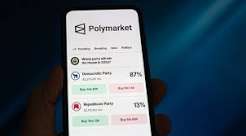
On July 14, 2026 Blockchain.com announced a partnership with Polymarket to integrate a real-world prediction trading engine directly into its wallet application. The move places election markets, sports outcomes, and event-based contracts alongside traditional crypto assets inside a single interface. I examined the integration details and spoke with traders, compliance experts, and product leaders to understand what this means for users, for the prediction market landscape, and for the regulatory questions that follow.
What the integration actually delivers
The partnership allows Blockchain.com users to access Polymarket contracts without leaving the wallet app. Users can browse markets, place orders, and settle positions using their existing account balances and on-chain wallets. The experience is designed to feel like a native feature rather than a third-party redirect, with order books, pricing, and settlement handled through Polymarket infrastructure behind the scenes.
For traders this reduces friction. Instead of moving funds between exchanges or managing separate accounts, users can keep assets in one place and trade both crypto and prediction markets with a unified interface. The integration also brings Polymarket liquidity to a broader audience that may not have used prediction platforms before but already holds crypto in a Blockchain.com wallet.
Why prediction markets are surging now
Prediction trading has grown rapidly as users seek ways to express views on real-world events. Election cycles, sports championships, and major policy decisions have driven record volumes on platforms like Polymarket. Traders are attracted by the ability to hedge positions, speculate on outcomes, and discover market-based probabilities that aggregate information from many participants.
The timing of the integration aligns with heightened interest in political and sports markets. Upcoming elections and high-profile tournaments create natural demand for contracts that pay out based on results. Platforms that offer deep liquidity and reliable settlement gain an edge as users shift from social media speculation to actual market participation.
How the product works inside the wallet
Blockchain.com added a dedicated prediction trading section within the app. Users can filter markets by category, view odds in real time, and place orders with standard order types. Settlement is automated through smart contracts that release funds when outcomes are verified by designated oracles. The wallet handles gas fees and transaction signing so users do not need to manage separate contract interactions.
Risk controls include position limits, clear disclosures about settlement rules, and educational prompts that explain how binary and multi-outcome contracts function. The goal is to make prediction markets accessible to retail users who may be familiar with crypto trading but new to event-based contracts. Support teams are being trained to handle inquiries about market resolution, dispute processes, and account verification.
What traders gain from a native integration
- Single account access to both crypto assets and prediction contracts reduces account fragmentation and transfer friction
- Unified balance management allows users to allocate capital across asset classes without moving funds between platforms
- Streamlined onboarding for prediction trading through familiar wallet interfaces and existing KYC flows
- Improved liquidity exposure as Polymarket order books become visible to a larger user base
Regulatory and compliance considerations
Prediction markets sit at the intersection of financial services, gaming, and data reporting. Regulators in multiple jurisdictions scrutinize how contracts are structured, how outcomes are verified, and whether users are exposed to unfair practices. Blockchain.com and Polymarket must navigate licensing requirements, consumer protection rules, and anti-money laundering obligations across different regions.
The integration includes compliance features such as identity verification, transaction monitoring, and geofencing to restrict access where local laws prohibit prediction trading. Legal teams are working with regulators to clarify the classification of specific contracts and to ensure that settlement processes meet transparency standards. The aim is to build a sustainable framework that allows growth while managing legal risk.
Market impact and competitive dynamics
Embedding prediction trading inside a major wallet app signals a shift in how these markets are distributed. Instead of relying on standalone platforms, prediction engines can become features within broader financial products. This model favors incumbents with large user bases and established compliance programs. Smaller platforms may struggle to compete unless they find niche markets or partner with larger distributors.
For Polymarket the deal expands reach and brand visibility. For Blockchain.com it adds a differentiated product that can attract active traders and increase engagement. The combined effect may push other wallets and exchanges to explore similar integrations or to build their own prediction products. As the market matures, differentiation will depend on liquidity, user experience, and regulatory clarity.
User experience and education
Successful adoption depends on clear user experience and education. Prediction contracts can be confusing for first-time users who are accustomed to simple buy and hold strategies. Blockchain.com is investing in in-app tutorials, risk disclosures, and scenario examples that show how contracts pay out under different outcomes. The goal is to help users understand probability, position sizing, and the difference between speculation and hedging.
I spoke with early testers who praised the seamless flow but noted the need for better market explanations and clearer settlement timelines. Product teams are iterating on language, tooltips, and help sections to reduce confusion. Support channels are being expanded to handle volume as more users try prediction trading for the first time.
Risk management and responsible trading
Prediction markets can encourage rapid trading and emotional decision making, especially around high-profile events. Blockchain.com is implementing tools that allow users to set loss limits, receive alerts on large positions, and pause trading for self-imposed cooling-off periods. These features aim to reduce the risk of significant losses and to promote more deliberate trading behavior.
Education on bankroll management and probability assessment is part of the rollout. Users are encouraged to treat prediction contracts as a form of risk exposure that should be sized appropriately within a broader portfolio. The platform provides data on historical market performance and settlement accuracy to help users make informed decisions.
What comes next for prediction trading in crypto wallets
The integration positions prediction markets as a standard feature within crypto finance applications. As user adoption grows, expect more sophisticated products such as conditional orders, portfolio analytics, and risk dashboards tailored to event-based contracts. Regulatory frameworks will evolve, and platforms that invest in compliance and user protection will be better placed to scale.
For traders the next step is to learn how to use these tools effectively. Start with small positions, understand settlement rules, and focus on markets where you have genuine insight. Use prediction contracts to express views on events you follow closely, and avoid treating them as a substitute for long-term investment strategies.
Where to learn more
For background on prediction market mechanics and regulatory guidance consult the Commodity Futures Trading Commission resources on event contracts and the Financial Action Task Force materials on virtual asset service provider obligations. These sources provide official information on how regulators view prediction trading and what compliance standards apply to platforms and users.
Final thoughts
The Blockchain.com and Polymarket integration marks a meaningful step toward mainstream prediction trading within crypto wallets. It brings liquidity, user experience, and compliance infrastructure together in a way that can serve both seasoned traders and newcomers. I will continue to track adoption, regulatory developments, and product iterations as the market matures and as users test the limits of what prediction trading can do inside a unified financial app.