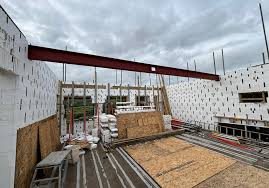
Homeowners are increasingly choosing to stay put and invest in their current properties, using home equity to fund predictive AI smart home systems and climate-resilient upgrades. Global market analysts reported on July 15, 2026 that this shift has moved from a niche trend to a dominant pattern in home improvement, driven by high moving costs, uncertain housing inventory, and growing awareness of climate risks. I spoke with contractors, technology providers, and families who have retrofitted their homes to understand what this smarter, greener approach looks like in practice and how it is reshaping the housing market.
Why staying and upgrading makes sense now
The calculus for many households has changed. Transaction costs for buying and selling have risen, inventory remains tight in desirable regions, and mortgage rates have made new purchases more expensive. At the same time, extreme weather events and energy price volatility have highlighted the value of resilience. For families who already own a home, the financial logic often favors investing in upgrades that reduce risk and lower operating costs rather than moving to a new property.
Home equity has become a key funding source. Many owners have built substantial equity through years of payments and appreciation, and they are tapping that value to finance comprehensive retrofits. Lenders have responded with products tailored to energy efficiency and resilience projects, offering favorable terms for upgrades that can be verified to reduce utility bills and insurance risk. The result is a wave of targeted investment that improves comfort and safety while preserving neighborhood ties.
What eco-retrofitting actually includes
Eco-retrofitting goes beyond simple weatherization. It combines envelope improvements, efficient mechanical systems, on-site generation, and intelligent controls that work together to optimize performance. Common projects include advanced insulation, high performance windows, air sealing, and heat pump heating and cooling. Many homeowners add solar panels, battery storage, and smart water management to reduce grid dependence and manage stormwater.
The defining feature of current retrofits is integration. Instead of standalone gadgets, owners are installing systems that share data and coordinate actions. A central home energy management platform can schedule heat pump operation, battery charging, and electric vehicle charging based on time of use rates, weather forecasts, and occupancy patterns. The goal is to minimize cost and carbon while maintaining comfort and readiness for outages.
Core components of a modern retrofit
- Building envelope upgrades such as insulation, air sealing, and high performance windows to reduce heat loss and gain
- Heat pump systems for heating, cooling, and water heating that replace fossil fuel equipment
- On-site solar and battery storage to lower bills and provide backup power during outages
- Predictive AI controls that learn household patterns and adjust systems for efficiency and comfort
- Water resilience measures such as rainwater capture, permeable surfaces, and smart irrigation to manage storms and drought
The role of predictive AI in smart homes
Predictive AI has moved from a novelty to a practical tool for home management. These systems analyze data from sensors, weather services, and utility rate schedules to anticipate needs and adjust equipment proactively. A thermostat can pre-cool a home before a heat wave peaks, a battery can charge ahead of a predicted storm, and irrigation can skip cycles when rain is forecast. The outcome is lower energy use, reduced wear on equipment, and fewer comfort complaints.
Integration matters more than any single device. A unified platform that connects HVAC, solar, storage, and appliances can make decisions that optimize the whole home rather than individual components. Homeowners report that the most valuable feature is automation that works in the background without constant manual input. The system learns routines, adapts to seasonal changes, and provides clear dashboards that show energy use, cost savings, and carbon impact.
Climate resilience as a core design goal
Retrofitting for climate resilience means preparing homes for the specific risks of their region. In hot climates the focus is on cooling load reduction, shade, and backup power for heat waves. In cold regions the priority is insulation, air sealing, and reliable heating during outages. In flood prone areas the emphasis shifts to drainage, elevation of equipment, and water-resistant materials. The common thread is proactive planning that reduces damage and maintains habitability during extreme events.
Insurance and financing are beginning to reward resilience. Some carriers offer lower premiums for homes with verified upgrades such as storm shutters, reinforced roofs, and backup power. Lenders may provide better terms for projects that include energy efficiency and resilience measures with documented performance. This alignment of incentives encourages owners to invest in upgrades that protect both property value and personal safety.
Financing options and the equity advantage
Home equity lines of credit and cash out refinances remain popular ways to fund large retrofits. Owners can borrow against accumulated equity and repay over time while utility savings offset part of the monthly cost. Specialized green loans and energy improvement mortgages offer additional options, sometimes with lower rates for projects that meet efficiency standards. Government incentives and tax credits can further reduce net cost for qualifying upgrades.
The key is to treat the retrofit as a package rather than a collection of isolated improvements. A holistic plan that sequences envelope work, mechanical upgrades, and controls can maximize savings and avoid costly rework. Homeowners should obtain energy audits, compare contractor proposals, and verify expected performance with measurement plans. Clear documentation helps secure financing, qualify for incentives, and demonstrate value at resale.
How families experience the change
I visited several homes that have completed comprehensive retrofits and the human benefits are clear. Indoor air feels more stable, humidity is easier to manage, and noise from outside is reduced. Utility bills drop noticeably, and the stress of outages lessens when battery backup keeps lights and refrigeration running. Parents appreciate the ability to monitor energy use and teach children about conservation through real-time dashboards.
Contractors report that the most satisfied clients are those who set clear goals and prioritize performance over aesthetics alone. A home that is comfortable, efficient, and resilient delivers daily value that goes beyond visual upgrades. The process requires coordination and patience, but the outcome is a living space that supports health, reduces costs, and stands up better to weather extremes.
What this trend means for the housing market
As more owners invest in retrofits, the value of upgraded homes will become more visible in appraisals and resale. Buyers are beginning to ask for energy performance data, equipment age, and resilience features during due diligence. Homes with documented efficiency and backup power may command premiums and sell faster than comparable properties without upgrades. This dynamic encourages further investment and raises the baseline for what buyers expect.
Neighborhoods with high retrofit adoption may see lower aggregate risk and insurance costs, which can stabilize property values during periods of climate stress. Utilities may benefit from reduced peak demand and more flexible load profiles when homes manage energy intelligently. The broader effect is a housing stock that is better aligned with environmental and economic realities of the coming decades.
Practical steps for homeowners considering a retrofit
Start with a professional energy audit to identify the highest impact upgrades for your home and climate. Prioritize envelope improvements that reduce heating and cooling load, then select efficient mechanical systems that match the reduced demand. Add solar and storage if your site and budget allow, and choose a controls platform that integrates your equipment and provides clear monitoring. Sequence work to avoid conflicts and to verify performance after each phase.
Work with contractors who can provide performance guarantees and measurement plans. Ask for references from similar projects and review case studies that show actual savings and comfort improvements. Check eligibility for incentives and financing early so you can structure the project to maximize benefits. The goal is a retrofit that delivers measurable results and long-term value rather than a collection of disconnected upgrades.
Where to learn more
For guidance on efficient upgrades and climate resilience consult the U.S. Department of Energy resources on home energy improvement and the Federal Emergency Management Agency materials on hazard mitigation for homeowners. These sites provide checklists, best practices, and links to local programs that can help you plan and fund a comprehensive retrofit.
Final thoughts
The shift toward eco-retrofitting reflects a pragmatic response to economic and environmental pressures. Homeowners are using equity to build smarter, greener homes that cost less to operate and stand up better to climate risks. I will continue to track performance data, financing trends, and resale impacts to understand how this movement reshapes the housing market and improves daily life for families who choose to stay and upgrade.