Global brand licensing has entered a new phase of scale, and the latest numbers make that impossible to ignore. License Global’s annual ranking of the world’s top licensors shows the industry reaching a record $338.33 billion in retail sales of licensed consumer products, a gain that reflects how entertainment intellectual property now moves across retail, streaming, gaming, fashion, and live events with remarkable ease.
At the top of the list are familiar names with enormous cultural reach: Disney, Authentic Brands Group, and NBCUniversal. Their continued dominance tells a simple story with wide reaching consequences. The most valuable intellectual property is no longer confined to a film, a television series, or a character on a poster. It is being built into products, experiences, and global distribution networks that turn audience affection into recurring commerce.
A record year for licensing
The annual report from License Global shows that the top ten licensors alone generated $228.55 billion in retail sales of licensed consumer products during 2025, up more than $20 billion from the previous year. That is not a modest bump. It is a sign that licensing is now one of the most durable business models in entertainment and consumer culture, capable of converting brand equity into large scale retail value.
For those outside the industry, licensing can sound technical. In practice, it is highly tangible. A beloved character appears on apparel, collectibles, toys, home goods, themed attractions, and digital experiences. A media company or brand owner earns revenue not just from selling content directly, but from allowing trusted partners to extend the property into products people buy, wear, display, and gift.
That cross monetization is the real engine behind the report. The old walls between entertainment and retail have become porous. A franchise may begin with a film or an athlete or a magazine brand, but its commercial life often expands far beyond that original format.
Disney still sets the pace
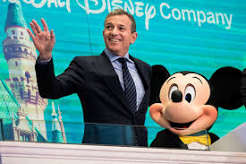
Disney remains the clear leader in the global licensing market, and the reason is not difficult to see. Few companies have comparable depth across characters, stories, parks, consumer products, and streaming. Its intellectual property reaches children, parents, collectors, and tourists in ways that are both emotional and commercial.
The company’s licensing strength is tied to memory as much as merchandise. A character that lives in a child’s imagination can become a backpack, a lunchbox, a birthday theme, or a collector item years later. That long horizon gives Disney an advantage that many rivals still struggle to match. It also helps explain why the company continues to anchor the sector even as new brands and new formats enter the market.
Authentic Brands Group holds the second position, reflecting a different but equally powerful model. Rather than relying on a single content pipeline, the company has built a portfolio approach around recognizable names that can travel across categories and retail channels. NBCUniversal follows in the ranking, showing how media companies continue to convert entertainment assets into consumer products that stretch well beyond the screen.
Why the business keeps growing
The licensing market is expanding because it offers something brands and retailers both want: lower risk and higher familiarity. For retailers, licensed products bring built in recognition. For brand owners, the model creates income without requiring them to manufacture every item themselves. It is a partnership economy, and in many ways it rewards trust more than novelty.
That trust matters more now because consumers are overwhelmed by choice. A well known logo or character can cut through a crowded shelf, a streaming homepage, or a social feed in seconds. In a store aisle, the difference is visible almost immediately. A licensed product carries an implied story before anyone reads the label.
The market has also benefited from the rise of global distribution. A property that once lived mostly in one country can now sell across continents through digital commerce, international retail chains, and licensing partners with local expertise. The result is a system in which a single creative asset can generate revenue in far more places than the original audience ever saw it.
Entertainment IP as a retail engine
The strongest takeaway from the report is that entertainment intellectual property has become a retail engine in its own right. Consumers do not just watch franchises anymore. They buy into them, literally and repeatedly. The line between fandom and purchasing has grown thinner, and licensing firms have learned how to build businesses around that emotional connection.
This is where the human side of the industry becomes visible. A parent buying a licensed lunchbox is not only purchasing storage. They are buying a small daily ritual that gives a child comfort and recognition. A collector picking up a limited edition item is participating in memory and identity as much as commerce. Licensing succeeds when those emotional cues are strong enough to carry real economic weight.
That dynamic is part of why the sector has stayed resilient even when broader consumer spending has been uneven. Brands with cultural gravity tend to weather downturns better than generic products. Familiarity is a form of insulation, and licensing is built around it.
What the rankings suggest
- Big entertainment brands still dominate because they own characters and stories that travel across age groups and markets.
- Portfolio based licensors remain powerful because they can monetize multiple brands through one operating model.
- Retailers continue to favor licensed products because recognition reduces selling friction.
- Cross platform media growth makes it easier for one property to generate value in several categories at once.
The streaming and esports connection
The rise in licensing also intersects with the broader media economy, including streaming and esports. Major franchises increasingly live in places where viewers are not just watching but participating, chatting, clipping, and sharing. That creates new licensing opportunities around apparel, digital collectibles, event branding, and live experiences.
We are seeing more rights holders think beyond traditional product placements and into full ecosystem design. A gaming tournament, a streaming partnership, or a pop culture event can all become licensing channels if the underlying brand is strong enough. That helps explain why entertainment companies are so aggressive about protecting and extending their intellectual property across platforms.
For readers looking for broader context on industry scale, License Global’s report is the key reference point, while the Licensing International site offers a wider view of market trends. For companies thinking about how brand assets are legally protected and commercialized, the United States Patent and Trademark Office remains an important public resource.
What brands will chase next
The next growth frontier is likely to come from even tighter integration between media properties and commerce. Brands will keep looking for ways to turn fandom into repeat buying, whether through limited runs, collaborative products, premium collectibles, or licensed experiences tied to live events and digital communities.
Yet the challenge is not simply to sell more. The challenge is to keep the brand meaningful while expanding it. Over licensing can dilute value if every product feels random or disconnected. The best licensors, which is one reason they stay at the top, know how to protect the core identity of a property while allowing it to reach new audiences and new categories.
That balance is what makes this report so important. The numbers are large, but they are not abstract. They reflect the ongoing business of turning stories, characters, and cultural symbols into products people want to live with every day. In that sense, the record $338.33 billion figure is not just a measure of industry size. It is a measure of how deeply brand meaning continues to shape the global economy.