Video game publishers are no longer treating their franchises as products that live only inside consoles, PCs, and mobile screens. Major studios, including SEGA, have expanded global licensing partnerships that push game worlds into physical merchandise, theme parks, and media adaptations, signaling a deeper shift in how entertainment intellectual property is monetized.
The move reflects a broader reality across the gaming industry. A successful franchise now has value far beyond software sales and in game spending. It can fill a retail shelf, inspire a themed attraction, support a television or film project, and create the kind of brand loyalty that stretches across generations of players and viewers.
Why licensing has become central to gaming growth
Game publishers have long understood that characters and worlds can travel. What has changed is the scale and sophistication of those movements. A franchise can now be developed as a connected ecosystem, with one story extending into apparel, collectibles, publishing, live experiences, and screen adaptations that keep the brand visible between major game releases.
That is why licensing has become such a strategic priority. It gives publishers a way to build revenue even when a new title is still in development. It also keeps franchises active in public view, which is important in a market where attention moves quickly and fandom can fade if a property disappears for too long.
For players, this often feels like seeing a favorite world step out of the monitor and into daily life. A T shirt, a figure on a desk, a themed café, or a park attraction can make a game feel less temporary and more like part of a larger cultural landscape.
SEGA’s position in the new licensing wave
SEGA is particularly well placed to benefit from this shift because it owns some of the most recognizable characters in gaming history. Its franchises have always carried a strong visual identity, and that makes them well suited to consumer products, experiences, and adaptations that rely on instant recognition.
The company’s expanded licensing strategy reflects an industry wide understanding that older franchises can be refreshed for new audiences without losing their original appeal. Characters like Sonic the Hedgehog have proven especially durable because they speak to nostalgia, speed, color, and simple iconography that works across markets and product categories.
That matters because licensing is not only about placing a logo on an item. It is about preserving the feeling that made the original property resonate. The best licensing programs keep that emotional thread intact, whether the product is a collectible figure, a ride at a theme park, or a scripted adaptation on streaming video.
From digital worlds to physical shelves
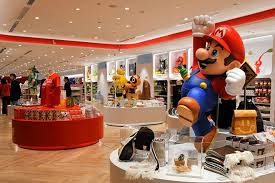
The move into merchandise is one of the clearest signs that gaming IP has entered a more mature phase of monetization. Physical products allow fans to express their attachment in tangible ways. A jacket, backpack, art print, or model figure turns digital affection into something visible and social.
That physical presence also supports brand longevity. A game can go quiet for months or years between releases, but a licensed product keeps the franchise in circulation. It lives on bedroom shelves, in retail displays, and in the everyday routines of people who carry, wear, or display it.
For publishers, merchandise has another benefit: it gives them access to audiences that may not even play the game. A parent might buy a toy because a child recognizes the character. A collector may buy a limited edition item because the design feels iconic. A casual shopper may be drawn in by a strong visual identity long before they ever sit down with the game itself.
Theme parks and experiential licensing
One of the most visible frontiers for game IP is the theme park and live experience sector. As more publishers license their worlds into attractions, they are creating spaces where fans can walk through, ride through, and physically inhabit the settings they once only saw on screen.
This is a powerful form of storytelling because it uses atmosphere in a way digital media cannot fully replicate. The sound of themed music, the texture of sets, the smell of food tied to a franchise, and the sight of familiar imagery at scale all work together to make the experience feel immersive and memorable.
It is also a durable business model. Theme park operators, licensing partners, and publishers can all benefit from an attraction that generates repeat traffic and extends the life of a franchise well beyond the launch window of a game.
What publishers are chasing
- Longer franchise lifecycles that do not depend only on annual game releases.
- New revenue streams through consumer products, attractions, and publishing.
- Broader audience reach beyond core players.
- Stronger brand recognition across media, retail, and live experiences.
Media adaptations keep the momentum going
Screen adaptations remain one of the most important parts of the IP licensing equation. When a game becomes a film, series, or animation project, the story reaches audiences who may never buy the original title. That wider exposure can feed back into game sales, merchandise demand, and fan engagement across the board.
Adaptations also help publishers make their franchises feel culturally current. In a media environment where viewers move easily between streaming, social clips, and gaming content, a strong adaptation can act as a bridge between different forms of entertainment. It can also help a game character become a household name rather than just a favorite among players.
This is where licensing becomes more than a revenue strategy. It becomes a way to shape the public identity of a franchise. The right adaptation can deepen emotional connection, while the wrong one can dilute it. That is why publishers are increasingly careful about who handles their characters and how far they allow them to travel.
Why this matters for the gaming business
The expansion of licensing partnerships signals that publishers are thinking less like software sellers and more like entertainment rights managers. The business is no longer just about one title performing well at launch. It is about building a portfolio of assets that can be monetized across several markets and time frames.
That strategic shift is especially important in a year when development costs are rising and production cycles are becoming longer. Licensing can help stabilize revenue while new projects are still in the pipeline. It can also soften the risk of a slower game release schedule by keeping a franchise active through other channels.
For investors and industry watchers, the message is clear. The most valuable gaming companies are the ones that can make their worlds portable. If a franchise can move gracefully from controller to closet, from screen to stage, and from digital download to physical shelf, it gains an advantage that is hard to replicate.
For readers following the broader rights market, the Licensing Expo remains one of the best public windows into how brands expand across categories, while SEGA’s official site offers a direct look at the company’s current franchise ecosystem and product presence.
What comes next
The next stage of growth will likely depend on how well publishers protect the identity of their franchises while still allowing them to spread. Too many partnerships can blur the brand. Too few can leave value on the table. The art of licensing lies in finding the point where a world feels bigger without losing the qualities that made fans care in the first place.
That balance is especially important in gaming because the audience is often deeply attached to canon, tone, and character integrity. Fans do not just consume these worlds. They live with them, argue about them, and carry them for years. Publishers who respect that relationship are more likely to build licensing programs that feel authentic rather than opportunistic.
What we are seeing now is a more expansive definition of what a game franchise can be. It can be a product, yes, but it can also be a place, a shelf item, a story on screen, and a memory that fans can physically hold. That broader life cycle is what makes the latest licensing deals so important. They are not just business arrangements. They are the infrastructure of modern gaming culture.