Homeowners planning summer renovations are increasingly asking for two things at once: outdoor spaces that feel resort like and homes that respond intelligently to daily life. On August 1, 2026, new design frameworks for shallow water sun shelf features and integrated smart home infrastructure signaled a clear shift in residential remodeling, where comfort, technology, and leisure are being planned together rather than as separate upgrades.
A new kind of backyard priority
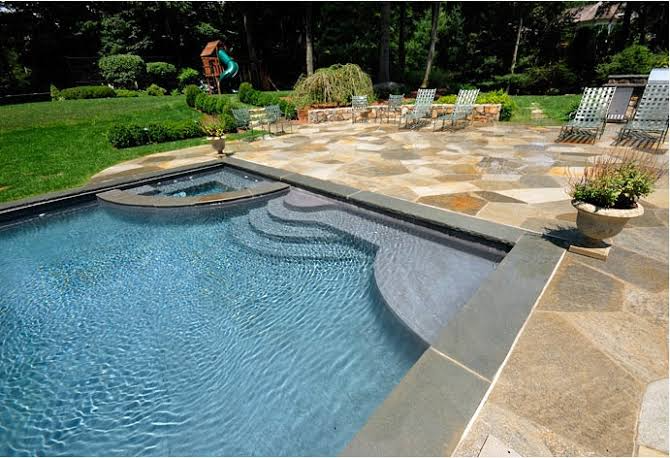
The shallow water sun shelf has moved well beyond a decorative pool detail. In today’s renovation market, it is becoming one of the most requested outdoor living features because it offers a low depth water zone that can serve multiple functions. Families use it for lounging, young children can enjoy the cooler edge of the pool under close supervision, and homeowners can turn it into a social focal point with in water seating, umbrellas, and built in ledges that catch the afternoon light.
What makes the trend especially notable is how it changes the logic of outdoor design. Instead of treating the pool as a single purpose swimming space, designers are building around the idea that water should be part of everyday living. The shallow shelf acts as a transition zone between patio and pool, creating a place where people can sit with their feet in the water, rest between laps, or gather without needing to commit to full swim activity. In warm weather, that small design choice can make the difference between a backyard that looks impressive and one that is actually used.
For many homeowners, the appeal is sensory as much as visual. A sun shelf catches the shimmer of sunlight, softens the edge of a pool, and adds a calm, relaxed feeling to the yard. It can also reduce the formality of a traditional swimming pool, making the whole area feel more like an outdoor room. That is a key reason the design is showing up in more high end renovation plans this season.
Why smart living is part of the story
The second half of the trend is happening indoors and behind the walls. Integrated smart home infrastructure is becoming a central part of renovation planning, not an afterthought. Homeowners want wired networks, better automation, connected climate control, lighting scenes, security systems, and device hubs that all work together without creating clutter or confusion.
This shift reflects a practical reality. Renovation is often the easiest and least disruptive time to add the foundation for smart living. That includes Ethernet runs, centralized equipment cabinets, strong Wi Fi coverage, outlet placement for future devices, and conduit that makes later upgrades easier. Once walls are closed, those choices become much harder and more expensive to fix. The result is that smart home readiness is now being treated as part of the structure of the house, not just the gadgets inside it.
For readers planning a remodel, the most useful guidance often comes down to infrastructure first. Reliable wiring, access to power, and a clear equipment layout can prevent years of frustration. A beautiful room with weak connectivity quickly feels outdated. A home that is designed to support automation from the start feels calmer, more adaptable, and easier to live in.
Common planning priorities
- Mesh Wi Fi coverage throughout the home and yard.
- Dedicated locations for networking hardware and automation hubs.
- Power sources near shades, cameras, lighting controls, and outdoor features.
- Scalable wiring that supports future upgrades without reopening finished walls.
How design and technology now intersect
What is striking about the current renovation cycle is how closely outdoor design and smart home systems are beginning to overlap. A sun shelf can be paired with app controlled lighting, energy efficient pumps, leak detection, landscape irrigation, and outdoor audio that blends into the architecture. Inside the house, smart routines can manage the transition from day to evening, adjusting temperature, lighting, and security settings as residents move from the kitchen to the patio.
This is where the home improvement conversation becomes more human. People are not buying technology for its own sake. They are trying to make life smoother. A family hosting guests on a hot Saturday afternoon wants the pool area to be comfortable and easy to manage. A homeowner who works long hours wants the house to respond automatically when the door opens, the sun changes, or the outdoor lights need to come on. The best renovations do not call attention to the technology. They make the house feel attentive.
That idea is also shaping the language of renovation briefs. Designers are hearing more requests for hardwired backup options, hidden equipment, discreet speakers, charging stations, and control systems that do not interrupt the look of the space. In other words, people want the convenience of digital living without the visual noise. That balance is quickly becoming a mark of a well planned remodel.
For homeowners looking for planning guidance, the U.S. Department of Energy offers useful material on efficient home systems, while the National Fire Protection Association provides practical standards related to electrical safety and home equipment placement. Those resources matter because smart living works best when it is built on safe, reliable infrastructure.
What contractors are seeing this summer
Contractors and designers are reporting that summer renovation demand is increasingly concentrated in projects that combine lifestyle upgrades with long term functionality. Pools, patios, and outdoor kitchens are still in demand, but they are now being paired with lighting plans, weather resistant automation, and network access points that extend the home’s digital reach into the yard. The goal is not just to add features. It is to create a coherent environment.
That coherence matters during construction. A shallow water shelf needs to be integrated with circulation, shade, drainage, and safety planning. A smart home system needs to be integrated with wiring, device compatibility, and user control. If one part is handled in isolation, the result can be awkward and expensive. If the whole project is designed as a connected system, the home gains both convenience and value.
There is also a strong resale argument. Buyers increasingly notice whether a home is ready for modern routines. Reliable internet access, connected lighting, and flexible outdoor spaces are no longer luxury extras in many markets. They are part of the expectation set, especially among families who want homes that can support work, relaxation, and entertaining without constant manual adjustment.
Why the trend feels different now
Home renovation trends come and go, but this one feels durable because it speaks to how people actually live. The shallow water sun shelf is not simply a style statement. It is a response to the way families use outdoor space for rest, play, and gathering. Smart living is not simply about novelty. It is about removing friction from routines that already feel crowded and fast.
That is why these projects resonate so strongly during the summer months. Warm weather reveals the value of a better yard. Long daylight hours expose the limits of a home that is not properly wired or automated. When those two realities meet, the renovation brief changes. People start asking for spaces that work as hard as they do, and that still feel calm at the end of the day.
As more homeowners plan upgrades for the season ahead, the most successful projects are likely to be the ones that treat design and technology as partners. A shaded shelf by the pool, an app controlled lighting scene, a strong wireless network, and a thoughtful equipment plan can make a house feel both easier and more inviting. That combination may be the clearest sign yet of where residential renovation is headed.
What homeowners should weigh next
Anyone considering a remodel this summer should start with the basics: how the space will be used, who will use it, and what systems need to support those routines over time. That means asking whether the backyard needs lounging space as much as swimming space, and whether the house has the wiring and network backbone to support connected devices without strain. The answers to those questions often shape the success of the entire project.
In the end, the strongest renovation plans are the ones that make daily life feel more natural. A sun shelf that invites people into the water. A smart home system that quietly handles the details. A home that looks good on the plans but feels even better in real life. That is the direction summer remodeling seems to be taking, and it is a direction built around comfort, utility, and a more thoughtful kind of living.