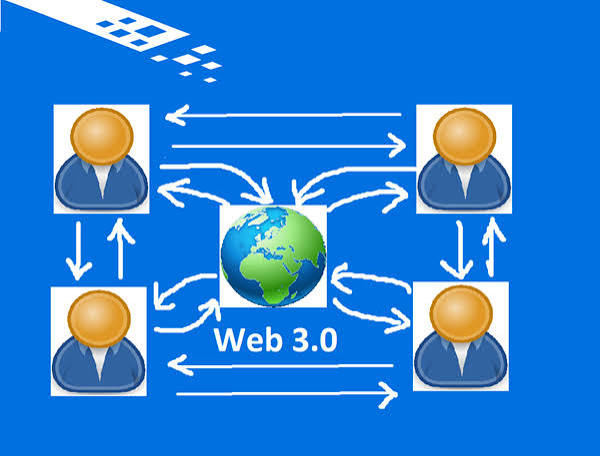
Decentralized social networks are facing a new test as industry evaluations call for stronger integration between token discovery, creator reputation and everyday social interaction. The discussion reflects a broader effort to make Web3 platforms easier to navigate while preserving the ownership, portability and community driven principles that distinguish decentralized services from conventional social media.
Why Decentralized Social Platforms Are Reconsidering the User Experience
For many users, Web3 applications can feel fragmented. A person may discover a digital asset in one application, follow a creator in another and participate in a community somewhere else. Each service can require a separate interface, wallet connection or identity system. That fragmentation can make the underlying technology feel more complicated than it needs to be.
Industry evaluations are increasingly examining whether social platforms can bring these experiences closer together. Instead of treating token discovery, creator activity and social communication as separate functions, developers are exploring ways to connect them within a single user experience.
The objective is not simply to add more features. The larger question is whether decentralized platforms can make information easier to discover without sacrificing user control. If a creator has built a strong reputation through years of useful contributions, that reputation could potentially become part of the context people use when deciding whether to follow, support or interact with that creator.
Token Discovery Could Become Part of Social Interaction
Digital assets have often been discovered through specialized markets, trading applications and online communities. Social platforms offer another possible route because people frequently learn about projects through conversations, recommendations and creator activity.
A more integrated system could allow users to encounter information about tokens while participating in communities they already understand. A creator discussing a project could provide context that is more useful than a simple market listing because followers can examine the person’s history and previous contributions.
However, integration also introduces serious challenges. Social recommendations can influence financial decisions, and users may confuse popularity with quality. A platform that combines social activity with token discovery therefore needs clear information about risks, ownership and incentives.
Good design should help users distinguish between a creator expressing an opinion, a community discussing an asset and a platform actively promoting a financial product. Those distinctions become particularly important when social influence and digital assets appear within the same interface.
Creator Reputation Is Becoming a Valuable Digital Asset
Creator reputation is one of the most interesting pieces of the decentralized social model. Traditional platforms often measure influence through follower counts, likes and engagement statistics. Those numbers can provide useful signals, but they do not necessarily reveal whether a creator consistently provides reliable information or meaningful contributions.
Decentralized systems create opportunities to build richer reputation models. A creator could potentially carry parts of their identity and contribution history between compatible applications rather than rebuilding an audience every time they move to a new service.
This idea connects with the broader Web3 principle of user controlled identity. Resources such as Ethereum provide background on decentralized networks and the technologies that support user controlled digital interactions.
Portable reputation could be valuable for artists, writers, developers, analysts, community organizers and other creators. Someone who has spent years building trust should not necessarily lose that history simply because they decide to use a different application.
Portability Could Change the Relationship Between Users and Platforms
Conventional social media platforms generally control the infrastructure through which identities, audiences and content are organized. Users can build large communities, but their access to those communities is ultimately tied to the platform’s rules and technical systems.
Decentralized social networks attempt to change that relationship by separating identity, content and application experiences in different ways. The underlying idea is that users should have greater control over their digital presence and should be able to interact with multiple services without completely rebuilding their social graph.
For creators, portability could reduce dependence on a single company. For users, it could make switching between applications less disruptive. For developers, shared standards could make it easier to build new experiences around existing communities.
The challenge is making these benefits understandable. A technically elegant decentralized architecture has limited value if ordinary users cannot understand how it affects their daily experience.
Social Interaction Still Has to Feel Natural
The success of decentralized social networks will ultimately depend on whether people enjoy using them. Users generally do not want to think about infrastructure every time they send a message, follow a creator or join a discussion.
A successful interface should make the technology largely invisible while still giving users meaningful control. Account management, identity, content ownership and wallet functions should be understandable without requiring users to become blockchain specialists.
This is particularly important for people who are interested in creator communities but have little interest in cryptocurrency itself. A decentralized social platform that requires users to understand every technical detail before participating risks limiting its audience to experienced Web3 users.
Creator Communities Could Become More Valuable
Creators have traditionally relied on centralized platforms to reach audiences and monetize their work. Decentralized networks offer alternative possibilities involving direct ownership, community membership and digital assets.
A creator might use a decentralized platform to publish content while allowing followers to participate in community activities without surrendering control of their identity to one company. Digital assets could support membership systems, collectibles or other forms of participation.
Yet the strongest creator communities are not built solely through financial incentives. People return because they feel connected to the creator and to other members. A platform that focuses too heavily on tokens could weaken that social relationship by turning every interaction into a commercial opportunity.
The most useful integration may therefore be one where digital assets remain optional rather than becoming the central purpose of every conversation.
Reputation Systems Need Strong Safeguards
Linking reputation with social identity raises another difficult issue. A reputation system can help users identify trustworthy contributors, but it can also create opportunities for manipulation.
Users could attempt to purchase influence, manufacture engagement or coordinate artificial activity designed to make an account appear more credible. Developers therefore need mechanisms that distinguish genuine contributions from manufactured popularity.
A strong reputation model may need to consider several signals rather than relying on one score:
- Consistency of meaningful contributions
- Community participation over time
- History of content and interactions
- Transparent relationships with projects and organizations
- User feedback and independent verification
No reputation system will be perfect. The goal should be to provide useful context rather than presenting a numerical score as an unquestionable measure of trust.
Privacy Remains a Central Concern
Greater identity portability can provide convenience, but it can also create privacy risks. If information about a person’s activities becomes easy to connect across multiple applications, users may unintentionally create a detailed public record of their online behavior.
Decentralized social networks therefore need to consider privacy at the architectural level. Users should have clear information about what data is public, what information can be shared between applications and what control they have over their identity.
This is particularly important when social activity becomes connected to financial information. A public conversation about a digital asset can reveal interests that a user may not want permanently associated with their identity.
Interoperability Could Become a Competitive Advantage
The idea of interoperability is central to the broader decentralized technology movement. Instead of creating isolated platforms, developers can work toward systems where applications communicate through shared protocols and standards.
Organizations such as the World Wide Web Consortium demonstrate the importance of open technical standards in creating systems that can work across different services and implementations.
For decentralized social networks, interoperability could allow a creator to publish through one application while audiences interact through another. A community could therefore become larger than any individual interface.
This model changes the nature of competition. Applications may compete based on design, moderation, discovery tools and specialized features rather than trying to lock users into closed ecosystems.
Moderation Becomes More Complicated in Decentralized Systems
Greater user control also creates difficult questions about content moderation. Centralized platforms can establish one set of rules and enforce them across their services. Decentralized networks can distribute control across multiple applications and communities.
That flexibility can be valuable because different communities may want different moderation policies. At the same time, users need protection from harassment, fraud, malicious content and coordinated manipulation.
A mature decentralized social ecosystem may therefore require several layers of moderation. Individual applications could establish their own policies while shared protocols provide tools for identity management, blocking and content filtering.
The challenge is finding a balance between community autonomy and user safety. Too much central control can undermine decentralization, while too little protection can make a platform difficult for ordinary users to trust.
Financial Incentives Need Responsible Design
Connecting social activity with tokens can create new economic opportunities, but it can also encourage unhealthy behavior. If users are rewarded for engagement, some may prioritize activity volume over meaningful participation.
Creators may also feel pressure to promote assets because of financial incentives. That can blur the boundary between genuine recommendations and promotional activity.
Transparent disclosure will therefore be essential. Users should be able to see when a creator has a financial relationship with a project or when an interaction generates an economic reward.
Responsible design should make it possible for people to participate in decentralized communities without feeling pressured to purchase assets or speculate on token prices.
The User Experience May Determine Whether Web3 Social Platforms Grow
Technical innovation alone will not determine the future of decentralized social networks. User experience may prove just as important.
People already have access to social applications that are fast, familiar and easy to use. A decentralized competitor must offer a clear reason to switch or participate. User ownership, portable identity and community control can provide that reason, but only if those benefits are presented in a way that ordinary users can understand.
For many people, the strongest argument may be simple. They may want to build a following without worrying that one company’s policy change could suddenly alter their relationship with their audience.
For creators, the attraction could be even more direct. A portable identity and reputation could allow them to build communities that are not dependent on one application.
What the Next Phase Could Look Like
The current industry discussion suggests that decentralized social platforms are moving toward more integrated experiences. Token discovery, creator identity, reputation and social interaction may increasingly appear as connected components rather than isolated features.
That does not mean every platform will adopt the same model. Some applications may focus primarily on social communication, while others may specialize in creator communities, digital collectibles or decentralized finance. The important development is the possibility that these services can interact without requiring users to start from the beginning each time they move between applications.
For developers, the priority will be building reliable infrastructure and open interfaces. For creators, the opportunity lies in developing communities based on genuine trust rather than temporary engagement. For users, the most important consideration will remain control over identity, privacy and personal data.
A More Connected Decentralized Social Web
The expansion of decentralized social networks is entering a stage where the basic technology is only part of the conversation. The larger challenge is creating an ecosystem that feels coherent, useful and trustworthy.
Integrating token discovery with creator reputation and social interaction could make Web3 applications easier to navigate, but the design choices will matter enormously. Platforms must avoid turning social relationships into constant financial transactions, protect users from manipulation and provide understandable privacy controls.
We believe the strongest decentralized social networks will be those that treat technology as a means rather than the destination. People join social communities because they want to communicate, discover ideas, support creators and build relationships. Decentralization becomes valuable when it gives those people greater ownership and freedom without making ordinary interaction unnecessarily complicated.
The next phase of Web3 social development will therefore be judged less by how many technical features a platform can combine and more by whether those features create a healthier relationship between users, creators and digital communities. If developers can achieve that balance, decentralized social networks could move from fragmented experiments toward a more connected model of online participation.