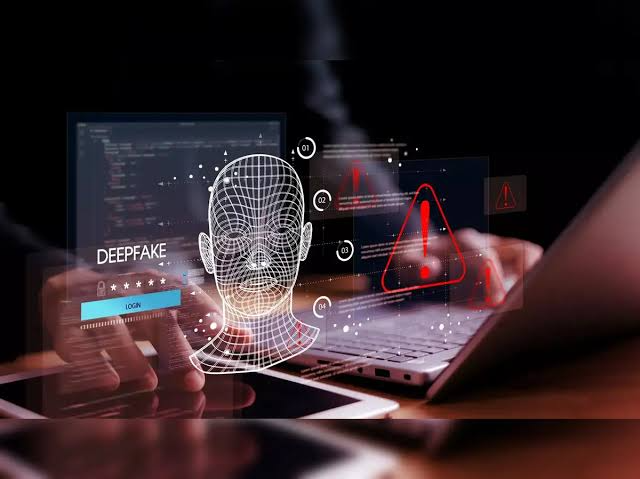
On August 20, 2026, multi national tech policy coalitions began enforcing strict mandatory provenance watermarking requirements on synthetic media across major social media platforms, marking one of the most significant coordinated responses yet to the deepfake misinformation crisis that has been quietly eroding public trust in visual and audio evidence for years. We have watched this problem grow from a novelty concern into something that touches elections, personal reputations, and basic shared reality, so seeing binding international enforcement arrive feels overdue in the best possible sense.
Why Watermarking Became A Global Priority
Synthetic media generation tools have improved at a pace that has consistently outrun public awareness and platform moderation capacity. What once required specialized technical skill to produce a convincing fake video or audio clip can now be accomplished through consumer applications in minutes, and the resulting content has proven capable of fooling even attentive viewers. We have spoken with researchers studying online misinformation who describe a troubling pattern, where fabricated videos of public figures making statements they never made, or synthetic audio clips designed to mimic a loved one’s voice for fraud purposes, spread faster and further than the corrections that eventually follow them.
The core problem regulators are attempting to solve here is not synthetic media itself, since AI generated content has countless legitimate creative and educational applications, but rather the absence of any reliable way for ordinary viewers to distinguish authentic footage from fabricated content at the moment they encounter it. Provenance watermarking addresses this gap directly by embedding verifiable metadata into synthetic media at the point of creation, allowing platforms, journalists, and everyday users to trace a piece of content back to its origin and confirm whether AI tools were involved in producing it.
How Provenance Watermarking Actually Works
For readers unfamiliar with the technical mechanics, provenance watermarking typically involves embedding invisible, cryptographically signed metadata directly into an image, video, or audio file at the moment of generation. This metadata travels with the file even through common edits like cropping or compression, and can be verified using detection tools that confirm whether the content was created or substantially altered using generative AI systems. This approach differs meaningfully from earlier, more visible watermarking attempts, which content creators could often simply crop out or obscure, undermining their usefulness almost entirely.
Several major technology coalitions have coordinated around shared technical standards to ensure watermarking remains consistent and verifiable across different platforms and generation tools, an effort that groups such as the Coalition for Content Provenance and Authenticity have been developing for several years. Having that groundwork already established made the rapid rollout of mandatory enforcement announced this week considerably more feasible than it would have been if regulators were starting entirely from scratch.
The Human Cost That Made This Urgent
It would be a mistake to discuss this policy shift purely in technical terms, because the harm driving this regulatory response has affected real people in deeply personal ways. We have followed cases involving individuals whose likeness was used without consent in fabricated content, ranging from embarrassing to genuinely damaging, and the emotional toll on those individuals often extends far beyond the initial spread of the fake content itself. Victims frequently describe a lingering sense of violation, knowing that a convincing fabrication of their voice or image exists somewhere online, potentially resurfacing at any point in the future.
Elderly populations have faced a particularly cruel version of this problem, targeted by scammers using synthetic voice cloning technology to impersonate grandchildren or family members in distress, requesting urgent financial help. We have heard from family members who described the terrifying realism of these calls, voices that sounded unmistakably like a loved one, generated from just seconds of publicly available audio. Mandatory watermarking alone will not eliminate this particular threat entirely, since malicious actors operating outside regulated platforms may continue circumventing these protections, but it does create meaningful friction and traceability that did not exist before.
Political And Electoral Stakes
Beyond personal harm, fabricated media has increasingly threatened the integrity of democratic processes, with synthetic videos and audio clips of political candidates circulating during recent election cycles across multiple countries, sometimes gaining significant traction before fact checkers could intervene. We think this political dimension likely accelerated the urgency behind this regulatory coalition, since the potential for deepfakes to influence electoral outcomes represents a threat that governments across the political spectrum have genuine incentive to address, regardless of other policy disagreements.
Election officials and civil society organizations focused on media literacy have generally welcomed this development, though several have cautioned that watermarking alone cannot solve the broader misinformation ecosystem. Public education about how to check for and interpret provenance information will matter just as much as the technical infrastructure itself, since a watermarking system that ordinary users do not know how to access or understand provides limited practical protection.
What This Means For Content Creators And Everyday Users
For legitimate content creators using AI tools for entirely benign purposes, ranging from marketing materials to artistic projects to educational content, this regulation should introduce relatively minimal friction. Most major generative AI platforms have already begun integrating provenance watermarking directly into their content export processes, meaning creators will not need to take significant additional steps beyond using tools that comply with these emerging standards.
For everyday social media users, the more meaningful change will likely involve new visual indicators or verification tools that platforms roll out to help identify watermarked synthetic content directly within their feeds. We would encourage readers to familiarize themselves with these indicators as platforms introduce them, since developing a habitual awareness of provenance labeling will matter considerably more once fabricated content becomes even more visually convincing than it already is.
Practical Steps For Staying Informed
As this regulatory landscape continues to develop, a few habits can help individuals navigate synthetic media more confidently:
- Look for provenance labels or verification badges that major platforms are beginning to display on flagged synthetic content.
- Approach emotionally charged or highly shareable videos with a moment of healthy skepticism before resharing, particularly involving public figures or breaking news.
- Establish a verification phrase or method with elderly family members to confirm identity during unexpected urgent phone calls, given the rise in voice cloning scams.
Challenges That Still Lie Ahead
We do not think mandatory watermarking represents a complete solution, and we would be doing readers a disservice by presenting it as one. Enforcement across smaller platforms, open source generation tools, and jurisdictions outside the participating regulatory coalition remains a significant gap, since bad actors motivated enough to evade detection can potentially use unregulated tools that lack watermarking requirements entirely. Determined bad actors have historically found ways around content moderation systems, and watermarking, however well designed, will likely face similar circumvention attempts over time.
There is also a technical arms race dimension worth acknowledging honestly. As watermarking detection improves, so too will efforts to strip or forge that metadata, meaning this regulatory framework will likely require continuous refinement rather than functioning as a permanent fixed solution. Regulators involved in this coalition have reportedly built in provisions for ongoing technical standard updates, which suggests at least some awareness of this evolving dynamic.
A Meaningful Step In An Ongoing Fight
We view this coordinated watermarking enforcement as a genuinely important step forward, not because it resolves the deepfake misinformation problem entirely, but because it establishes a shared international framework and technical standard that previously did not exist at this scale. For the individuals who have already experienced the personal harm of synthetic media misuse, and for the broader public trying to maintain confidence in what they see and hear online, this represents tangible progress rather than another abstract policy announcement.
The months ahead will reveal how effectively these requirements translate from regulatory text into consistent, enforceable practice across the sprawling landscape of global social media platforms. We remain hopeful that this marks the beginning of a more serious, sustained international commitment to preserving trust in digital media, even as we stay realistic about the technical and jurisdictional challenges that will continue testing that commitment.