On August 20, 2026, the World Health Organization released an international strategy report addressing one of modern medicine’s most quietly terrifying problems, the accelerating rise of multi drug resistant bacteria that no longer respond to the antibiotics doctors have relied on for generations. The report calls for rapid global distribution of newly developed targeted antimicrobial drugs, framing the effort as urgent rather than aspirational. We have covered public health crises before, but there is something particularly unsettling about this one, because it involves the slow erosion of tools that medicine has depended on since the mid twentieth century.
A Threat That Grew Quietly Until It Could Not Be Ignored
Antimicrobial resistance did not arrive suddenly. It built gradually, over decades, through a combination of overprescription, incomplete treatment courses, and heavy antibiotic use in agricultural livestock production, until bacteria that once responded predictably to standard treatments began developing the ability to survive them entirely. We have spoken with infectious disease specialists who describe watching this trend with growing alarm over the past several years, as infections that would have been routine to treat a generation ago began requiring longer hospital stays, more aggressive interventions, and in a rising number of tragic cases, treatments that simply stopped working at all.
What makes this particular WHO report significant is the shift in tone from previous warnings. Earlier reports tended to frame antimicrobial resistance as a looming future concern requiring long term planning. This latest strategy treats it as a present emergency requiring immediate, coordinated global action, particularly around distributing newly developed targeted antimicrobial drugs to the regions and populations facing the highest resistance rates. Readers wanting the full technical detail behind this shift can review the organization’s ongoing surveillance data through the World Health Organization’s antimicrobial resistance program, which tracks resistance patterns across dozens of countries.
What Makes These New Drugs Different
Unlike traditional broad spectrum antibiotics, which work by attacking a wide range of bacteria indiscriminately, the newer generation of targeted antimicrobial drugs referenced in this strategy are designed to identify and eliminate specific resistant bacterial strains while leaving beneficial bacteria largely undisturbed. This precision matters for two reasons. It reduces the collateral damage broad spectrum antibiotics often cause to a patient’s microbiome, and perhaps more importantly, it slows the pace at which bacteria can develop further resistance, since the drugs are engineered around highly specific bacterial vulnerabilities rather than general mechanisms that bacteria have had decades to adapt around.
We think it is worth pausing here to acknowledge just how difficult this development process has been. Bringing a genuinely novel antimicrobial drug from laboratory research through clinical trials and regulatory approval typically takes many years and enormous financial investment, and pharmaceutical companies have historically been hesitant to pursue this work because antibiotics, unlike medications for chronic conditions, are usually taken for short courses and therefore generate far less long term revenue. The WHO strategy explicitly addresses this market failure, calling for coordinated funding mechanisms to ensure that promising antimicrobial research does not stall simply because it lacks the commercial appeal of more profitable drug categories.
The Human Reality Behind Drug Resistant Infections
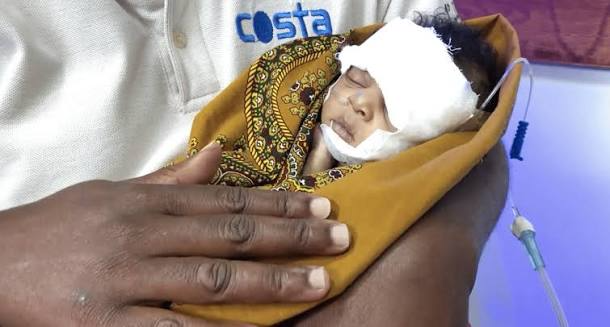
Statistics around antimicrobial resistance can feel abstract until you consider what they actually mean at a bedside. We have heard from physicians who describe the particular helplessness of watching a patient’s infection fail to respond to every antibiotic available, a scenario that has become disturbingly more common in intensive care units treating the most vulnerable patients, including newborns, elderly patients, and anyone with a compromised immune system. There is a specific kind of dread that settles into a hospital room when a treatable illness suddenly becomes untreatable, not because medicine lacks the knowledge to address it, but because the bacteria itself has outpaced the tools available.
Families facing these situations often describe a bewildering sense of disbelief, having grown up trusting that antibiotics reliably solved bacterial infections, only to discover that trust no longer holds in certain cases. We think this emotional dimension deserves real attention alongside the clinical and policy discussion, because public understanding of antimicrobial resistance remains limited, and that gap in awareness contributes directly to the behaviors, like demanding antibiotics for viral illnesses or failing to complete prescribed courses, that continue accelerating the problem.
Regions Facing The Steepest Challenges
Resistance rates are not distributed evenly across the globe, and the WHO strategy explicitly acknowledges this disparity. Lower income regions, often lacking robust healthcare infrastructure, reliable diagnostic testing, and consistent access to a full range of antibiotic options, frequently experience higher resistance rates alongside fewer resources to address outbreaks when they occur. Overcrowded healthcare facilities in these regions can also inadvertently accelerate the spread of resistant strains between patients, compounding an already difficult situation.
We think this global disparity is precisely why the strategy’s emphasis on rapid, equitable distribution matters so much. A targeted antimicrobial drug developed in a well funded research lab provides little benefit to global health if it never reaches the hospitals and clinics treating the patients most affected by resistant infections. The report calls for pricing and distribution mechanisms designed to prevent the kind of access gap that has historically slowed the reach of breakthrough medical treatments in lower income regions.
What This Means For Everyday Patients And Families
For most people, the immediate practical impact of this strategy will unfold gradually rather than overnight, but there are meaningful behaviors individuals can adopt now that genuinely support the broader fight against antimicrobial resistance. We would encourage anyone prescribed antibiotics to complete the full course exactly as directed, even after symptoms improve, since stopping early allows surviving, more resistant bacteria to multiply and spread. Avoiding pressure on physicians to prescribe antibiotics for viral infections, which antibiotics cannot treat at all, also plays a meaningful role in slowing unnecessary antibiotic exposure that contributes to resistance development.
Healthcare providers, for their part, are increasingly relying on rapid diagnostic testing to confirm bacterial infections before prescribing antibiotics at all, a practice that the WHO strategy explicitly encourages expanding further. This diagnostic precision helps ensure that antibiotics, including the new targeted options, are used only when genuinely necessary, preserving their effectiveness for the patients who truly need them.
Steps Individuals And Communities Can Take
While this remains fundamentally a systemic public health challenge requiring coordinated international action, individual choices still matter within that larger effort:
- Only take antibiotics prescribed specifically for your diagnosed bacterial infection, and always complete the full prescribed course.
- Practice consistent hand hygiene and food safety habits, since preventing infections in the first place reduces overall antibiotic demand.
- Support healthcare policies and funding initiatives aimed at antimicrobial research, since public awareness and advocacy genuinely influence how quickly governments prioritize this issue.
Looking Ahead At A Race Against Time
We view this WHO strategy as an honest, if sobering, acknowledgment of how urgent the antimicrobial resistance crisis has become. The organization is essentially asking the world to treat this the way it would treat any fast moving infectious disease outbreak, with coordinated funding, rapid distribution mechanisms, and international cooperation rather than fragmented, country by country responses that have characterized much of the response until now.
What remains uncertain is whether global political and pharmaceutical systems can move quickly enough to match the pace at which bacteria continue adapting. We remain hopeful, tempered by realistic awareness of how difficult past efforts have been to sustain, that this strategy represents a genuine turning point rather than another well documented warning that fades from public attention once the immediate news cycle passes. For patients and families who have already experienced the terrifying reality of a drug resistant infection, that distinction between warning and action cannot come quickly enough.