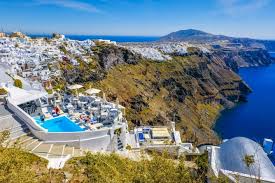
A powerful new travel pattern is reshaping the way people choose where to go, with major film releases and celebrity attention sending visitors toward the landscapes they have watched on screen. The so called “Odyssey Effect” is driving a sharp rise in set jetting tourism, as travelers seek the beaches, villages, ancient streets and dramatic coastlines featured in popular movies and television productions. Across the Mediterranean, destinations once valued mainly for their history and scenery are increasingly becoming part of a larger cultural experience built around the stories audiences have already fallen in love with.
When a Movie Becomes a Travel Invitation
For many travelers, the decision to visit a destination begins long before they search for a flight. It may start with a scene. A camera moves across a sunlit coastline, a character walks through a centuries old village or a famous actor sits at a waterfront café. The location becomes emotionally connected to the story, and viewers begin imagining themselves inside the same landscape.
That emotional connection is at the heart of set jetting. Rather than choosing a destination solely because of its beaches, museums or traditional tourist attractions, travelers increasingly want to experience places that already have meaning in popular culture.
The phenomenon has been developing for years, but the latest wave surrounding major international film releases has given it renewed momentum. Hollywood productions can reach audiences across continents almost simultaneously, allowing a single location to become recognizable to millions of potential visitors.
The Mediterranean Is at the Center of the Trend
The Mediterranean is particularly well positioned to benefit from screen driven tourism. Its combination of historic architecture, warm weather, dramatic coastlines, islands and distinctive local cultures gives filmmakers an enormous variety of settings within relatively short distances.
Greece, Italy, Spain, Croatia and other Mediterranean destinations have repeatedly appeared in international productions. Each appearance can create a new association between a location and a story. A quiet island may become the setting for romance. An ancient city may become the backdrop for an epic adventure. A coastal village may suddenly become recognizable to viewers who have never previously heard its name.
For travelers, that recognition can change the way an itinerary is planned. Instead of asking only what attractions are available, visitors may ask where a particular scene was filmed, which restaurant appeared in a production or whether a historic street can be explored on foot.
Celebrity Endorsements Add Another Layer
Film alone is not responsible for the surge in screen inspired travel. Celebrity behavior can intensify the effect. When actors, musicians and other public figures share photographs from a Mediterranean destination, their audiences receive a second form of visual storytelling.
A famous actor photographed on a Greek island can make an already popular destination feel newly relevant. A celebrity restaurant visit can turn an ordinary dining location into a place that fans want to experience. Social media then extends that exposure far beyond the original audience of a movie.
This creates a powerful cycle. A film introduces a location, celebrities increase its visibility, travelers visit and share their own photographs, and those photographs expose the destination to another generation of potential visitors.
Why audiences respond so strongly
Part of the attraction comes from the desire to make fictional experiences feel tangible. Watching a movie is passive, but visiting its setting creates an opportunity to become part of the story in a small personal way.
A traveler standing on the same cliff shown in a famous scene may remember the movie differently afterward. The soundtrack, characters and emotions associated with the production can become attached to the physical landscape. For some visitors, that emotional connection can make a trip feel more meaningful than a conventional sightseeing holiday.
Travel Planning Is Becoming More Screen Driven
The rise of set jetting is also changing how travelers research destinations. Search engines, video platforms and social networks allow people to investigate filming locations with extraordinary detail. Visitors can compare scenes with real locations, identify landmarks and build entire itineraries around cinematic references.
Travel companies have responded by developing experiences that connect tourism with entertainment. Guided tours can take visitors to filming locations, while hotels and local businesses may promote connections to productions filmed nearby. Some destinations have also created maps and cultural resources that help visitors understand the history behind locations they recognize from the screen.
For travelers planning such a trip, the best approach is to look beyond the famous scene. A filming location may be only one part of a much richer destination. Visitors can combine cinematic sites with local museums, traditional food, historic neighborhoods and natural attractions, turning a movie focused visit into a broader cultural experience.
The Economic Opportunity for Local Communities
Set jetting can bring significant economic opportunities to communities that successfully manage the increased attention. Hotels, restaurants, transportation providers, tour operators, museums and independent retailers can all benefit when visitors stay longer and spend money locally.
The potential impact is especially interesting for smaller communities. A village that has never been a major international tourism center may suddenly appear in a successful production watched around the world. That exposure can introduce local businesses to customers who would otherwise never have considered visiting.
Film tourism can also support cultural preservation when revenue is directed toward historic buildings, museums, local guides and community projects. A location that gains international attention has an opportunity to use that attention to tell visitors a deeper story about its history and people.
But Popularity Can Create New Problems
The same attention that benefits destinations can create pressure when visitor numbers grow faster than local infrastructure. Roads, public transportation, beaches, historic sites and residential neighborhoods may struggle with sudden increases in tourism.
Residents can also feel that the character of their community is changing when locations associated with a popular production become crowded. A street that once served mainly as a neighborhood may become a constant backdrop for tourist photographs. Small businesses may benefit financially while residents face higher prices or reduced access to spaces they previously enjoyed freely.
These concerns make responsible destination management essential. Tourism authorities need to consider visitor capacity, transportation, waste management and protection of historic sites before promoting a location aggressively.
How Travelers Can Experience Filming Locations Responsibly
Travelers who want to follow the path of a favorite movie can help protect the places they have come to see by treating them as living communities rather than movie sets.
- Respect residential neighborhoods and avoid entering private property.
- Support locally owned restaurants, guides, shops and accommodation providers.
- Follow visitor rules at archaeological and historic sites.
- Travel beyond the most famous filming location to distribute spending across the wider community.
- Learn about the destination’s real history instead of experiencing it only through the fictional story.
These simple choices can make screen inspired travel more rewarding while reducing pressure on popular locations.
Film Tourism Is Becoming Part of Destination Marketing
Tourism authorities have long understood that images influence travel decisions, but modern entertainment gives destinations an unusually powerful form of exposure. A traditional advertisement tells audiences that a place is beautiful. A successful film can make viewers emotionally invested in it without presenting itself as an advertisement at all.
This distinction matters. Audiences may ignore a conventional tourism campaign but spend hours watching a film set in a particular region. When the credits roll, they may already feel that they know the destination.
The UN Tourism resources on destination development and cultural tourism offer broader context for understanding how visitor growth can be managed while communities protect their cultural assets.
The “Odyssey Effect” Could Change What Comes Next
The phrase “Odyssey Effect” captures a broader shift in travel behavior. People are increasingly choosing destinations through stories, characters and visual memories. The journey is no longer simply about seeing somewhere beautiful. It can be about standing where a memorable story unfolded and experiencing the atmosphere that inspired audiences around the world.
That trend could influence the future of Mediterranean tourism well beyond the latest wave of film releases. New productions will introduce new landscapes to international audiences, while streaming platforms will continue making entertainment accessible across borders. A location that appears for only a few minutes on screen can potentially become part of a traveler’s wish list thousands of miles away.
What This Means for the Future of Mediterranean Travel
The strongest destinations will be those that recognize the difference between attracting attention and managing popularity. Film exposure can bring visitors, but sustainable tourism requires infrastructure, local participation and respect for cultural heritage.
For travelers, the opportunity is equally compelling. A movie can provide the initial reason to visit, but the destination itself should become the lasting memory. The smell of bread from a neighborhood bakery, the sound of waves against an old harbor wall, the conversation with a local guide and the discovery of a quiet street away from the famous scene can ultimately matter more than the photograph recreated from a film.
We are entering a period in which entertainment and travel are increasingly connected. The “Odyssey Effect” demonstrates how powerfully stories can influence real world movement, turning fictional landscapes into personal destinations. For the Mediterranean, that could mean a new generation of visitors arriving not simply to see famous places, but to experience the atmosphere, history and culture that made those places worthy of the screen in the first place.