A significant change is taking place in adult social life as people across markets increasingly choose nonalcoholic drinks and wellness focused alternatives during occasions once closely associated with alcohol. Market analyses published in 2026 point to a broader, multiyear decline in alcohol consumption, suggesting that the change is not simply a temporary lifestyle trend. From evening gatherings and restaurant dinners to weddings, concerts and weekend celebrations, adults are finding new ways to participate socially without making alcohol the center of the occasion.
A Different Kind of Social Night Is Taking Shape
Picture a crowded restaurant on a Friday evening. Glasses still clink, conversations overlap and friends gather around the same table, but some of the drinks look different. One person orders sparkling water with citrus, another chooses a botanical beverage and someone else asks for a carefully prepared alcohol free cocktail.
The social experience remains familiar even though the contents of the glass have changed. That distinction helps explain why the current shift is larger than a simple change in beverage preference. Consumers are reconsidering what makes a social occasion enjoyable, and many increasingly view alcohol as optional rather than essential.
For some adults, the motivation is wellness. Others want to avoid next day fatigue, maintain concentration, protect athletic performance or simply reduce their overall alcohol intake. There are also people who never enjoyed drinking but previously felt pressure to participate because alcohol was so deeply connected with adult social rituals.
Why Alcohol Consumption Is Losing Its Central Role
Alcohol has traditionally occupied a distinctive position in social culture. Celebrations, business dinners, holidays and nights out have frequently been organized around alcoholic beverages. That relationship is changing as consumers become more deliberate about how particular habits affect their sleep, energy, fitness and general sense of wellbeing.
The shift does not mean that every adult is abandoning alcohol. Instead, the market is increasingly characterized by moderation and choice. Someone may drink at one event and choose a nonalcoholic beverage at the next. Another person may reduce consumption during the working week while maintaining occasional drinking on special occasions.
This flexibility is important because it removes the idea that people must identify themselves completely as drinkers or nondrinkers. Moderation can become an ordinary lifestyle decision rather than a dramatic personal declaration.
Wellness Is Changing the Meaning of a Night Out
Health and wellness considerations have become closely connected with social habits. Adults who spend considerable time exercising, working demanding schedules or managing family responsibilities often have practical reasons to reconsider drinking.
Alcohol can interfere with sleep quality and can leave people feeling tired or dehydrated the following day. For someone planning an early workout, an important meeting or a family activity, the calculation can be straightforward. The immediate pleasure of a drink may not seem worth the effect on the next morning.
This has created demand for beverages that provide a sense of occasion without the same consequences associated with alcohol. Sparkling botanical drinks, sophisticated mocktails, fermented beverages, alcohol free spirits and premium flavored waters are increasingly appearing alongside traditional options.
The appeal of a special drink remains
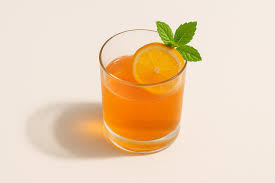
One reason alternative beverages have gained attention is that people still want ritual. Pouring something into a beautiful glass, adding ice, squeezing fresh citrus and sitting down with friends can create a sense of occasion even when alcohol is absent.
The ritual matters because social drinking has never been only about intoxication. It is also about anticipation, presentation, conversation and belonging. Nonalcoholic alternatives allow many of those elements to remain intact.
Restaurants and Bars Are Responding
Restaurants have an important role in this transition because menus communicate what a venue considers normal. When a restaurant offers only soft drinks as alternatives to alcohol, customers who do not want alcohol can feel as though they have fewer meaningful choices.
A sophisticated nonalcoholic menu changes that experience. Instead of simply removing alcohol, restaurants can offer beverages designed specifically for adults, using ingredients such as herbs, spices, citrus, tea, fruit, botanical extracts and sparkling water.
Bars are also adapting their menus. Dedicated alcohol free sections allow customers to order something that looks and feels like part of the evening rather than an afterthought. This can be particularly valuable for groups in which some people drink alcohol and others do not.
Social Inclusion Is Becoming a Major Factor
The growth of alternative adult social rituals also has a social dimension. People who avoid alcohol can sometimes feel excluded when drinking becomes the assumed activity of a group. Providing attractive alternatives makes participation easier without requiring anyone to explain or defend a personal choice.
This can matter at weddings, corporate events and family celebrations. Hosts can offer a genuine range of beverages rather than treating nonalcoholic options as an obligation. Guests can then make their own decisions without feeling that one choice is more socially acceptable than another.
We are also seeing a gradual change in language around drinking. Choosing not to drink is increasingly presented as a normal preference rather than a statement that requires justification. That normalization can make social environments more comfortable for a much wider range of adults.
Gen Z and Younger Adults Are Influencing the Market
Younger adult consumers have played an important role in changing expectations around alcohol. Many have grown up in an environment where wellness, exercise, mental performance and online visibility are prominent parts of everyday culture.
For some younger adults, the traditional image of a successful night out does not necessarily involve drinking heavily. Socializing can mean going to a restaurant, attending a fitness event, visiting a café, watching live entertainment or meeting friends for an alcohol free cocktail.
This does not suggest that younger generations have completely rejected alcohol. Consumer behavior remains diverse. The more meaningful change is that alcohol is increasingly competing with other forms of entertainment and social connection instead of automatically occupying the center of the experience.
The Rise of Moderation Culture
Moderation has become one of the most important ideas behind the changing beverage market. Programs such as temporary periods without alcohol have helped some consumers test what their social lives feel like without regular drinking.
The experience can reveal something unexpected. People may discover that they enjoy the social ritual even when alcohol is removed. They may also notice better mornings, greater consistency in exercise or fewer interruptions to their routines.
Once consumers recognize those benefits, occasional alcohol free choices can become permanent habits. A person does not necessarily need to stop drinking completely for the market to change. If millions of people each consume slightly less alcohol, the cumulative effect can be substantial.
Businesses See a New Commercial Opportunity
The decline in alcohol consumption has created space for a broader category of adult beverages. Companies are competing not only on taste but also on ingredients, presentation, convenience and the experience associated with the product.
The strongest products are likely to be those that avoid presenting themselves merely as substitutes. Consumers may want a drink that tastes good in its own right rather than something that constantly reminds them of what it is missing.
This distinction is particularly relevant to premium products. Adults who are accustomed to spending money on wine, cocktails or spirits may still want something sophisticated when they choose not to drink alcohol. A low cost soft drink may not provide the same sense of occasion as a carefully prepared beverage made with distinctive ingredients.
Public Health Could Benefit From the Shift
Reduced alcohol consumption can have broader public health implications, although individual outcomes vary. The World Health Organization’s alcohol resources provide extensive information about alcohol use and associated health risks.
From a public health perspective, the availability of appealing alternatives can support people who want to reduce their consumption. The key is accessibility. If nonalcoholic choices are expensive, difficult to find or socially stigmatized, they may remain a niche preference. If they become normal options at restaurants, supermarkets and events, choosing them becomes much easier.
What the Change Means for Hospitality and Events
Event organizers are also facing a new set of expectations. Weddings, conferences and private celebrations increasingly need beverage menus that serve guests with different preferences.
A balanced menu can include alcoholic drinks alongside attractive nonalcoholic choices without making either category feel secondary. This approach can also make events more welcoming to guests who are driving, exercising the next morning, taking medication that should not be combined with alcohol or simply choosing not to drink.
The practical lesson for hosts is simple: do not wait for guests to ask. Providing good alternatives from the beginning communicates that every guest is expected to participate fully in the celebration.
The Social Ritual May Matter More Than the Alcohol
Perhaps the most interesting part of this global shift is what it says about human behavior. People still want rituals. They want to meet after work, raise a glass at a wedding, share a toast on a birthday and sit around a table with friends late into the evening.
What is changing is the assumption that alcohol must be responsible for making those moments special.
A chilled glass covered in condensation can still signal celebration. A beautifully prepared drink can still invite conversation. A shared dinner can still mark the end of a difficult week. The substance in the glass is only one part of the ritual.
A More Flexible Future for Adult Social Life
The emerging market for nonalcoholic beverages is therefore better understood as part of a broader cultural adjustment. Consumers are seeking greater control over their routines while retaining the pleasures of social connection.
The future is unlikely to belong exclusively to alcohol or to alcohol free products. Instead, we may see a more flexible social culture in which adults move comfortably between different choices depending on the occasion, their health goals, their schedule and their personal preferences.
That could be the most lasting consequence of the current trend. A person should be able to attend a celebration without drinking, enjoy a sophisticated beverage without explaining the decision and leave an evening feeling that they participated fully.
The global decline in alcohol consumption is changing more than beverage sales. It is prompting restaurants, event organizers, hospitality businesses and consumers to reconsider what adult social life can look like. As alternative rituals become more visible and more sophisticated, the question may no longer be why someone is not drinking. Increasingly, the question may simply be what they would like to drink instead.