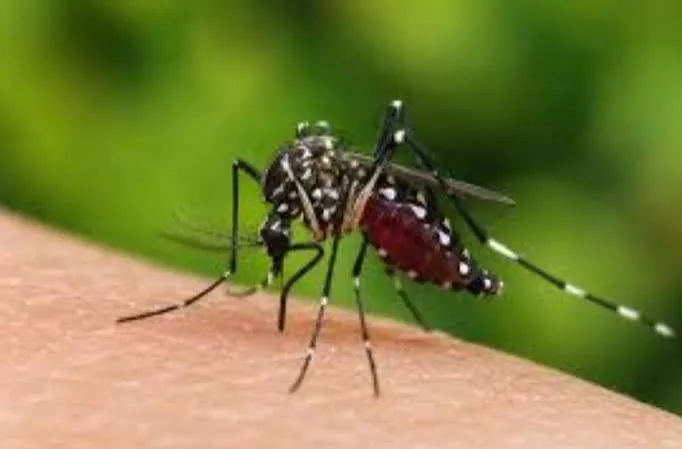
Health authorities are urging travelers to take stronger precautions against mosquito borne illnesses after confirmed Zika virus cases were reported among travelers returning from popular Pacific destinations. The advisories issued on August 29, 2026, are a reminder that a tropical vacation can carry health considerations long after the flight home, particularly in areas where mosquitoes can transmit viruses that may cause serious complications for some people.
Why Health Officials Are Warning Travelers Now
Zika virus is primarily transmitted through the bite of infected Aedes mosquitoes, which can be active during the day as well as at other times. The virus can cause symptoms such as fever, rash, joint pain, and red eyes, although many infected people develop no symptoms or experience only mild illness.
The latest travel advisories follow confirmed infections in travelers returning from Pacific destinations. For health agencies, infections identified in returning travelers can provide an important signal that transmission may be occurring in the places they recently visited. Such findings can lead authorities to remind visitors and healthcare professionals to consider mosquito borne illnesses when evaluating people who become sick after international travel.
We should not interpret a travel advisory as a reason for people to abandon every tropical destination. Instead, it is a prompt to understand the health conditions of a destination before departure and to take sensible steps to reduce mosquito exposure throughout the trip.
What Makes Zika Different From an Ordinary Travel Illness
One reason Zika receives particular attention is its connection to pregnancy. Infection during pregnancy can cause serious birth defects, including congenital abnormalities affecting the brain and eyes. Because of that risk, people who are pregnant or planning pregnancy should pay especially close attention to current travel health recommendations.
Zika can also be transmitted sexually. A person who acquires the virus while traveling may be able to transmit it to a sexual partner after returning home. This means mosquito protection does not represent the only consideration after possible exposure.
The Centers for Disease Control and Prevention’s Zika information provides travelers with current guidance on symptoms, transmission, pregnancy considerations, and prevention measures.
Pacific Travel Does Not Mean Every Destination Has the Same Risk
The Pacific region includes a vast collection of islands and countries with very different climates, mosquito populations, healthcare systems, and disease patterns. Travelers should therefore avoid treating the entire region as though it carries one uniform level of risk.
Health conditions can also change over time. Rainfall, temperature, mosquito populations, local outbreaks, and patterns of human travel can influence the spread of mosquito borne viruses. A destination that presented limited concern at the time a traveler booked a trip can have a different public health situation several weeks later.
That is why checking travel health information shortly before departure is more useful than relying exclusively on advice received when a vacation was first planned.
How Travelers Can Reduce Mosquito Exposure
Preventing mosquito bites remains one of the most practical ways to reduce the risk of Zika and other vector borne infections. Travelers do not need complicated equipment to take useful precautions, but they do need consistency.
- Use an insect repellent that is approved for effective mosquito protection and follow the product instructions.
- Wear clothing that covers the arms and legs when conditions make this practical.
- Stay in accommodations with air conditioning, screens, or other measures that limit mosquito entry.
- Use mosquito nets when appropriate, particularly when sleeping in locations without adequate screening.
- Remove or avoid standing water around accommodations because mosquitoes can breed in small collections of water.
Repellent should be applied according to its label instructions. Travelers using sunscreen should also follow guidance on the appropriate order and application of both products.
Why Daytime Protection Matters
A common misconception is that mosquito protection is mainly necessary after sunset. That approach can leave travelers exposed because the mosquitoes capable of transmitting Zika can bite during daylight hours.
Someone spending the afternoon walking through a market, sitting near an outdoor restaurant, exploring a resort area, or visiting a beachside attraction may be exposed without realizing it. A few minutes outdoors can be enough for a mosquito bite, which is why prevention needs to continue throughout the day.
This is particularly relevant for travelers who associate mosquito protection only with nighttime activities. A consistent routine is more reliable than trying to predict exactly when mosquitoes will be present.
What Travelers Should Know About Zika Symptoms
Many people infected with Zika do not develop noticeable symptoms. When symptoms do occur, they are generally mild and can include fever, rash, joint pain, and conjunctivitis. Because those symptoms can overlap with other infections, travelers should tell a healthcare professional about recent international travel if they become ill.
The timing of symptoms can also matter when a clinician evaluates a possible infection. Travelers should be prepared to provide information about where they went, when they traveled, whether they experienced mosquito bites, and when any symptoms began.
People should not attempt to diagnose Zika based only on symptoms. Several mosquito borne and travel related infections can produce similar early signs, and medical evaluation may be necessary to determine the appropriate testing and care.
Pregnant Travelers Need Special Consideration
The Zika warning deserves particular attention from people who are pregnant, considering pregnancy, or traveling with a partner who could become pregnant. Because Zika infection can affect an unborn baby, travel decisions should be discussed with a qualified healthcare professional when a destination presents a known or potential risk.
People returning from areas where Zika transmission is occurring should also follow current recommendations regarding pregnancy and sexual transmission. The appropriate precautions can depend on who traveled, whether symptoms occurred, and whether pregnancy is involved.
Travel health advice can change as health authorities collect new information. The World Health Organization’s Zika virus resources provide broader international information about transmission, symptoms, prevention, and public health considerations.
What Returning Travelers Should Do After Possible Exposure
Returning home does not necessarily mean the health precautions are finished. Travelers who may have been exposed should monitor their health and seek medical advice if symptoms develop. Telling a healthcare professional about recent travel can help guide the evaluation.
People who develop symptoms after visiting an area where mosquito borne illnesses are present should avoid assuming that a mild fever or rash is simply jet lag, heat exposure, or an ordinary viral illness. Providing accurate travel history can be particularly useful because some infections are uncommon in the traveler’s home community.
Travelers should also follow current guidance concerning mosquito protection after returning. This can help reduce the possibility of local transmission in places where mosquito species capable of carrying the virus are present.
Zika Is Part of a Larger Mosquito Borne Disease Concern
The latest advisories also draw attention to a broader category of travel health risks. Mosquitoes can transmit several viruses, including dengue and chikungunya, and the symptoms of different infections can overlap. Travelers therefore benefit from a prevention strategy that is designed to reduce mosquito exposure generally rather than focusing on a single virus.
This matters particularly in tropical and subtropical regions where mosquito populations can thrive. Warm temperatures, rainfall, standing water, and urban environments can create conditions that support mosquito breeding. Travelers who spend significant time outdoors may face greater exposure than visitors who remain primarily inside screened or air conditioned buildings.
Travel Health Planning Should Start Before the Flight
A useful travel health routine begins before departure. Travelers should check current destination specific health notices, review their vaccination needs, consider medications and personal medical circumstances, and determine what mosquito protection they will carry.
A small travel kit can include insect repellent, appropriate clothing, sunscreen, basic first aid supplies, and any regularly prescribed medications. Preparing these items before leaving home is easier than trying to find suitable products after arriving in an unfamiliar destination.
Travelers should also consider their accommodation. A room with intact window screens or reliable air conditioning can significantly reduce mosquito exposure compared with sleeping in an open air environment. These details may seem minor while booking a holiday, but they can become valuable health protections once a traveler arrives.
Why Travelers Should Follow Official Advisories
Travel health recommendations can change as new infections are detected and epidemiologists gather more information. Official advisories are therefore more dependable than outdated social media posts or general travel guides that may have been written months or years earlier.
The current concern surrounding confirmed Zika infections in returning travelers does not mean every visitor to the Pacific will become infected. It does mean that travelers should take mosquito prevention seriously and make decisions using current information about their specific destination.
A Simple Precaution Can Make a Meaningful Difference
For most travelers, mosquito protection may feel like an inconvenience during a long awaited vacation. Applying repellent before heading outside, choosing covered clothing, checking hotel screens, and avoiding standing water are easy steps to overlook when the focus is on beaches, food, sightseeing, and time with family.
Yet these small decisions can matter. A mosquito bite can happen in an instant, while the consequences of an infection may continue long after a traveler has returned home. For pregnant people and their families in particular, preventing exposure deserves careful attention.
The latest travel alerts are ultimately a reminder to prepare rather than panic. Travelers heading to affected or potentially affected destinations should check current health guidance, protect themselves from mosquito bites, and seek medical advice if illness develops after returning home. With sensible precautions and reliable information, people can make informed travel decisions while reducing their exposure to Zika and other mosquito borne diseases.