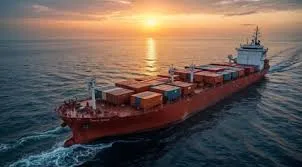
The United Nations Food and Agriculture Organization is warning that a combination of rising energy costs, disruption along strategic sea lanes, and El Niño related weather patterns could push global consumer food prices higher. The warning, issued on August 29, 2026, comes as households and food producers remain sensitive to changes in transportation, fertilizer, energy, and agricultural costs. For families already watching grocery bills closely, another increase in the cost of moving food from farms to markets could become a serious financial pressure.
Why Global Food Prices Are Facing Fresh Pressure
Food prices rarely depend on harvest conditions alone. A bag of rice, a loaf of bread, or a bottle of cooking oil reflects a long chain of costs that can stretch across several countries. Farmers need fuel, fertilizer, machinery, and water. Processors require electricity and transportation. Distributors depend on trucks, ships, ports, warehouses, and refrigeration. When several parts of that system become more expensive at the same time, consumers can eventually feel the impact at the grocery store.
The FAO warning brings three major pressures into focus: energy prices, friction in strategic shipping routes, and weather conditions associated with El Niño. Each factor can affect food markets independently. When they occur together, the pressure can become more difficult for producers and retailers to absorb.
We should also distinguish between global food commodity prices and the prices consumers actually pay. Changes in international commodity markets do not always appear immediately at supermarkets. Retail prices can be influenced by local wages, taxes, currency movements, storage costs, competition among retailers, and government policies. Even so, persistent increases in underlying production and transportation costs can eventually work their way through the food supply chain.
Higher Energy Costs Can Reach the Grocery Aisle
Energy is one of the least visible but most important components of food production. Farmers use fuel to operate tractors, irrigation systems, harvesting equipment, and other machinery. Food processors require electricity and natural gas to operate facilities. Refrigerated warehouses and transport vehicles consume energy throughout the distribution process.
Higher energy prices can also affect fertilizer production. Fertilizer manufacturing is particularly sensitive to energy costs, meaning an increase in fuel and natural gas prices can raise expenses for farmers during the next planting cycle. Farmers facing higher input costs may eventually need to charge more for their crops simply to maintain viable margins.
The effect can spread across several food categories. Grain prices can influence animal feed costs, while more expensive feed can raise the cost of producing meat, dairy products, and eggs. Transportation costs can then add another layer before those products reach consumers.
Shipping Disruptions Add Another Layer of Risk
The global food system depends heavily on maritime transportation. Grain, vegetable oils, fertilizer, animal feed, and many other agricultural commodities move through major shipping corridors before reaching importing countries. When commercial vessels encounter delays, rerouting, congestion, or higher insurance and fuel costs, the price of moving food can rise.
Strategic sea lanes are especially important because some routes carry enormous volumes of international trade. Even a temporary disruption can force ships to take longer routes, increasing fuel consumption and extending delivery times. For perishable goods, delays can also create additional storage and spoilage concerns.
Supply chain friction can therefore influence food prices even when global agricultural production remains relatively stable. Import dependent countries can be particularly vulnerable because they have fewer domestic alternatives when international transportation becomes more expensive or unreliable.
El Niño Could Complicate Agricultural Production
Weather represents another major uncertainty. El Niño is a naturally occurring climate pattern involving changes in ocean temperatures and atmospheric circulation across the Pacific. Its effects can extend well beyond the Pacific region, influencing rainfall and temperature patterns in different parts of the world.
For agriculture, the significance lies in the possibility of disrupted growing conditions. Some regions may experience excessive rainfall, while others can face drought or unusually high temperatures. The impact differs by location and crop, which makes broad predictions difficult.
A poor harvest in a major producing region can tighten global supplies and put upward pressure on commodity prices. Farmers and governments also have to contend with uncertainty because agricultural decisions are made months before crops are harvested. A sudden change in rainfall or temperature during a critical growing period can therefore have consequences that extend into future food markets.
Which Food Products Could Be Most Exposed?
Not every food category will respond to the same pressures in the same way. Products that rely heavily on imported commodities, energy intensive processing, refrigeration, or long distance transportation may face greater exposure to global disruptions.
Staple grains deserve particular attention because wheat, corn, and rice are central to diets around the world and are also used in animal feed. Vegetable oils can be affected by crop conditions, energy costs, and international shipping. Dairy and meat prices can respond indirectly when the cost of animal feed rises.
Consumers should not assume that every category will rise simultaneously. Local harvests, government reserves, currency movements, and regional supply conditions can create substantial differences between countries and even between individual food products.
Why Developing Economies May Feel the Impact More Sharply
Food inflation can be particularly painful in lower income economies because households often spend a larger share of their budgets on basic food. A relatively small increase in staple prices can force families to make difficult choices between groceries and other necessities such as transportation, education, housing, or medical expenses.
Import dependent countries can face additional pressure when international food prices rise while their currencies weaken. Paying for grain, cooking oil, fertilizer, or fuel in foreign currency can become considerably more expensive under those conditions.
Governments may respond through food assistance, subsidies, tariff changes, strategic reserves, or other measures. Such policies can provide relief, but they also have fiscal costs and can create difficult decisions about how assistance should be targeted.
Farmers Are Caught Between Higher Costs and Consumer Affordability
It can be tempting to view higher food prices as good news for farmers, but the reality is more complicated. Producers may receive higher prices for their crops while simultaneously facing increased expenses for fertilizer, fuel, machinery, labor, financing, and transportation.
A farmer looking across a field at the beginning of a growing season is making a calculation filled with uncertainty. Seed and fertilizer must be purchased before the final crop price is known. Weather conditions can change rapidly. Energy costs can move unexpectedly. If shipping disruptions affect fertilizer availability, production decisions become even harder.
This is why food inflation should not be reduced to a simple story about retailers charging more. The entire agricultural supply chain can be under pressure long before consumers see the final price on a supermarket shelf.
What Consumers Can Do if Grocery Costs Rise
Households cannot control global energy markets or international shipping routes, but they can make practical adjustments if food inflation begins to accelerate. Comparing prices across stores, buying seasonal products, reducing unnecessary food waste, and choosing flexible substitutes can help manage household grocery spending.
- Compare unit prices rather than looking only at package prices.
- Use store brands when quality and ingredients are comparable.
- Plan meals around products that are temporarily more affordable.
- Reduce food waste by freezing or properly storing items before they spoil.
- Buy durable staples in sensible quantities when prices are favorable.
These steps will not eliminate inflation, but they can give households greater control over their food budgets during periods of price volatility.
What Policymakers and Markets Will Be Watching
The FAO and other international organizations will continue monitoring agricultural production, commodity inventories, shipping conditions, energy markets, and weather developments. The FAO’s Food Price Index provides an important reference for tracking international prices of major food commodities.
Markets will also be watching whether current pressures remain temporary or become persistent. A short disruption in shipping may have a limited effect if routes normalize quickly. A prolonged increase in energy costs combined with poor harvests could produce a much stronger and more lasting impact.
Central banks will have another reason to monitor food prices closely. Food inflation can influence overall consumer inflation, although policymakers generally distinguish between temporary changes in volatile food and energy prices and broader inflationary trends. Persistent increases can nevertheless affect household expectations and spending behavior.
The Risk Is a Combination of Problems, Not One Single Shock
The central concern behind the latest warning is the possibility that several pressures could reinforce one another. Higher energy prices can raise farming and transportation costs. Shipping disruptions can make imported food and agricultural inputs more expensive. Weather disruptions can reduce supplies at the same time that production costs are increasing.
That combination is more difficult for the food system to absorb than any individual problem on its own. A strong harvest can sometimes offset transportation difficulties. Stable shipping can reduce the impact of higher production costs. But when supply and logistics are both under pressure, consumers have fewer buffers.
Global Food Security Faces Another Test
The latest FAO warning does not mean that every household will immediately face a dramatic increase in grocery prices. Food markets remain highly dependent on local conditions, and forecasts can change as new agricultural and economic information becomes available.
Still, the warning deserves attention because food security depends on more than producing enough crops. The world also needs reliable energy, functioning transportation networks, accessible agricultural inputs, stable trade routes, and weather conditions that allow farmers to produce food consistently.
For consumers, the most useful response is preparation rather than panic. For governments, the challenge is maintaining reliable food supplies while avoiding policies that unintentionally worsen market shortages. For farmers and food companies, careful planning will remain essential as input costs and weather risks evolve.
We are entering the next phase of the global food market with several uncertainties moving at once. Energy prices, maritime trade conditions, and El Niño related weather patterns will each deserve close attention. If those pressures ease, the effect on consumers could remain manageable. If they intensify together, the consequences could reach well beyond the agricultural sector and place another strain on household budgets around the world.