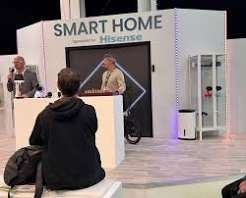
Smart home technology is moving from a novelty reserved for technology enthusiasts toward an everyday part of domestic life, and recent demonstrations at Cyberport have highlighted just how quickly that shift is taking place. New consumer focused innovations in smart living and energy management showed how connected devices, automation and intelligent software can work together to make homes more responsive, efficient and easier to manage. The demonstrations also offered a glimpse of a future in which the home quietly adjusts itself around the people living inside it.
Smart Living Is Becoming an Everyday Experience
For many households, automation once meant little more than switching a light on with a phone. The latest generation of smart living systems is considerably broader. Connected lighting, appliances, climate controls, security devices and energy systems can communicate with one another and respond automatically to changing conditions.
That shift is important because consumers are becoming less interested in individual gadgets and more interested in whether their home can function as a coordinated system. A smart thermostat is useful on its own, but its value increases when it can work alongside sensors, electricity management systems and other household devices.
Cyberport’s latest demonstrations reflect this broader approach. Rather than presenting automation simply as a collection of futuristic devices, the focus is increasingly on practical domestic problems such as energy consumption, convenience, comfort and efficient use of household resources.
Energy Management Is Becoming a Core Part of the Smart Home
One of the most important developments in smart living is the growing connection between home automation and energy management. Household electricity use can change dramatically throughout the day, depending on weather, occupancy, appliance use and personal routines.
Intelligent energy systems can help households monitor those patterns and make better decisions. Instead of leaving appliances running continuously, an automated system can potentially coordinate their operation according to household needs and available energy.
This matters as consumers become more conscious of electricity costs and environmental impact. A home that can identify unnecessary consumption may help residents reduce waste without requiring them to constantly check meters or remember which appliances need to be switched off.
The strongest benefit of automation may therefore be its ability to operate quietly in the background. The homeowner does not necessarily need to become an energy expert. The system can provide information in a simple form and handle routine adjustments automatically.
Why Consumers Are Adopting Automated Home Systems
The appeal of smart home technology is not limited to convenience. People are increasingly looking for technology that saves time, reduces household expenses and gives them greater control over their surroundings.
A connected home can respond to everyday routines. Lights can be managed according to occupancy. Climate systems can adjust according to temperature and usage patterns. Security devices can provide alerts when unusual activity is detected. Energy systems can provide a clearer picture of where electricity is being consumed.
These features may appear small individually, but together they can change the experience of managing a household.
We often think about technological progress through dramatic inventions, yet some of the most meaningful changes happen through small reductions in daily friction. A home that automatically performs repetitive tasks can give residents more time and reduce the mental burden of remembering them.
Automation Can Make Energy Use More Visible
One challenge with household energy consumption is that people often see the final bill without seeing the behavior that produced it. Smart energy management can provide a more detailed picture.
Users may be able to identify which appliances consume the most electricity, when consumption rises and how changes in daily routines affect overall usage. That information can encourage more informed decisions.
For example, a household that discovers that certain appliances account for a large share of electricity use can adjust when and how those devices operate. Automated systems can potentially take that process further by coordinating energy intensive activities according to predefined preferences.
This creates a different relationship between consumers and their homes. Instead of reacting to an expensive electricity bill after the fact, residents can use real time information to understand and manage consumption while it is happening.
Artificial Intelligence Adds a New Layer to Home Automation
Artificial intelligence is also becoming increasingly relevant to smart living. Traditional automation generally follows rules created by a user. More advanced systems can analyze patterns and make predictions based on household behavior.
A system may learn when residents usually arrive home, which rooms are occupied and how energy use changes throughout the day. That information can help the system make adjustments without requiring a separate instruction every time.
However, intelligent automation needs boundaries. A system that learns household behavior is also processing information about the people living there. Privacy therefore becomes an essential consideration.
Consumers should know what information a smart home system collects, where that information is stored and which companies or services can access it. Convenience should not come at the cost of losing control over sensitive household information.
Privacy and Cybersecurity Cannot Be Separated From Smart Living
The more devices connected to a home network, the more important cybersecurity becomes. A smart light may seem harmless, but a household can contain dozens of connected devices, including cameras, speakers, locks, appliances and energy systems.
Each connected device can potentially become part of the home’s digital security environment. Weak passwords, outdated software or poorly protected networks can create vulnerabilities that consumers may not immediately recognize.
Smart home users should therefore take several basic precautions:
- Use strong and unique passwords for smart home accounts.
- Install software and security updates when manufacturers release them.
- Review which devices have access to household networks.
- Disable features that are not needed.
- Check privacy settings before connecting cameras, microphones or other sensitive devices.
Manufacturers also have a responsibility to make security easier for ordinary consumers. A connected home should not require advanced technical knowledge simply to remain protected.
The Human Side of Domestic Automation
Technology demonstrations can sometimes make smart homes appear completely effortless, but real households are more complicated. Families have different schedules, preferences and needs. A system that works perfectly for one household may become frustrating for another.
Good automation should therefore give people meaningful control. Residents should be able to override automatic decisions, change preferences and understand why a system performed a particular action.
This is particularly important for older people, families with young children and people with accessibility needs. Smart technology can potentially make daily life easier by reducing physical effort and simplifying routine tasks, but only if the interface is designed around people rather than around the technical capabilities of the device.
Smart Homes Could Become More Important as Energy Systems Change
The future of household energy is also influencing the development of smart living. As homes adopt technologies such as solar generation, battery storage, electric vehicles and increasingly efficient appliances, managing electricity becomes more complicated.
A household may eventually produce electricity, store it, consume it and potentially send excess energy back into a wider electricity network. Coordinating those activities manually would be difficult.
Intelligent energy management could help connect these different elements. A home could potentially determine when to store energy, when to use stored electricity and when certain appliances should operate, based on household preferences and available energy.
The result could be a more flexible household energy system. Rather than treating the home as a passive consumer of electricity, smart technology can help turn it into an active participant in energy management.
Cyberport’s Role in Showcasing Consumer Technology
Cyberport has become an important technology and innovation hub in Hong Kong, supporting startups, digital businesses and emerging technology development. Demonstrations focused on consumer applications provide a useful bridge between technical research and everyday life.
The significance of these demonstrations is not simply that new products are being displayed. Events of this type allow technology developers to show how separate innovations can work together in practical environments.
That is increasingly important because consumers do not experience technology in isolated categories. A person does not necessarily think about artificial intelligence, energy management, connectivity and automation as separate industries. They experience the result through a home that responds to their needs.
The Global Smart Home Market Is Becoming More Connected
The adoption of smart living technology is part of a wider international trend. Consumers across different markets are purchasing connected appliances, security products, energy monitors and automated control systems.
The reasons vary between regions. In some markets, energy costs are a major motivation. In others, security and convenience are more important. Urban households may value space efficient technology, while aging populations may benefit from systems designed to support independent living.
Despite those differences, the underlying expectation is similar. People want technology that solves recognizable problems rather than technology that simply adds another screen or application to their lives.
What Consumers Should Look for Before Buying Smart Home Technology
The growing number of connected products also makes purchasing decisions more complicated. Consumers should consider compatibility before buying individual devices because products from different manufacturers do not always work together seamlessly.
Long term support is equally important. A smart appliance can remain physically functional for many years, but its usefulness may decline if software updates stop or its supporting service disappears.
Energy savings should also be evaluated realistically. Automation does not automatically reduce electricity consumption. The result depends on how the system is configured and how much energy the household actually uses.
Consumers should look for clear information about compatibility, software support, privacy, security and expected energy performance before investing in a connected home ecosystem.
The Next Smart Home May Feel Less Like Technology
Perhaps the most interesting direction for smart living is that successful automation may become less noticeable. The best system may not constantly demand attention through notifications and controls. Instead, it may quietly handle routine tasks while giving residents control when decisions matter.
That could change the way people think about domestic technology. The goal would not be to fill every room with connected gadgets. It would be to create an environment where technology works naturally in the background.
A home could recognize when someone needs more lighting, adjust the temperature before residents return, manage energy consumption during periods of high demand and alert a homeowner when something genuinely requires attention.
Smart Living Is Moving From Demonstration to Daily Life
The Cyberport demonstrations show how quickly smart living is moving toward a more integrated model. Energy management, artificial intelligence, connected appliances and domestic automation are no longer isolated concepts. They are becoming parts of a single consumer technology ecosystem.
The opportunity is considerable. Smarter homes could help people save energy, reduce repetitive work, improve accessibility and gain better visibility into household consumption. At the same time, privacy, cybersecurity, compatibility and user control must remain central to the conversation.
We should measure the success of smart home technology not by the number of devices installed in a house, but by whether those devices genuinely make life easier. The most valuable innovation may ultimately be the technology that disappears into the background, quietly managing energy and routine tasks while allowing people to focus on the lives taking place inside their homes.